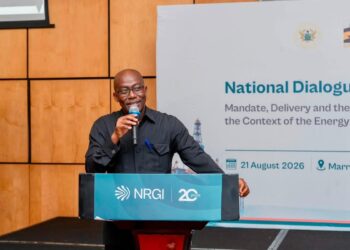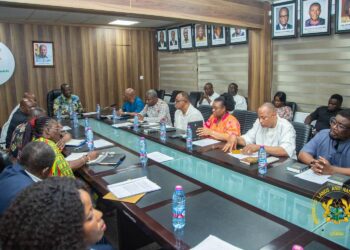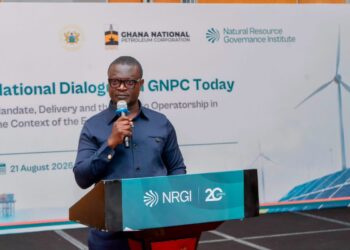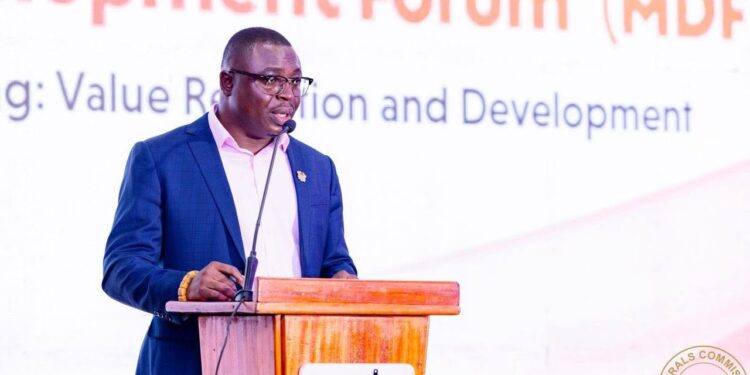
Emmanuel Kwamena Anyimah, Deputy CEO (Support Services) of the Minerals Commission, has commended Perseus Mining Ghana Limited for its continued commitment to sustainable extraction, asserting that responsible mining practices generate enduring socioeconomic value that extends far beyond the extraction of physical gold.
His assertion follows a major US$600,000 capital injection by the mining firm into host community projects designed to uplift local livelihoods and foster regional growth. According to the regulatory executive, when resource extraction companies prioritize community welfare alongside commercial operations, mining transitions from a temporary industrial enterprise into a long-term engine for shared national prosperity.
“This investment is another good example of how mining can create lasting value beyond mineral production by improving livelihoods, supporting local development, and strengthening partnerships with host communities. As we continue to strengthen the mining sector, I encourage more mining companies to embrace responsible mining, work closely with their host communities, and invest in initiatives that promote inclusive and sustainable development.”
Emmanuel Kwamena Anyimah, Deputy CEO (Support Services) of the Minerals Commission
Expanding on this vision of corporate responsibility, the investment by Perseus Mining Ghana Limited represents a targeted effort to address critical social infrastructure gaps within its catchment areas.

By directing funds toward essential social indicators such as healthcare facilities, educational infrastructure, water systems, and local economic initiatives the company helps build self-sustaining communities that can thrive beyond the eventual lifecycle of the mine.
The Minerals Commission considers such initiatives essential benchmarks for modern resource stewardship, demonstrating how active collaboration between mining firms, regulatory agencies, and traditional leadership can bridge development deficits and nurture lasting industrial harmony.
Driving Sustainable Impact in Mining Host Communities
The deployment of the US$600,000 community investment fund addresses long-standing socio-economic challenges faced by settlements surrounding major mining concessions.
Host communities near operations such as the Edikan Gold Mine have historically grappled with intense demographic pressures, infrastructure strain, and environmental trade-offs associated with large-scale surface mining.
Targeted financial commitments directly mitigate these pressures by funding tailored development projects ranging from modern school classrooms and health centers to clean drinking water expansion identified through structured dialogue between corporate managers and community consultation committees.
Furthermore, investing in local human capital creates a multiplier effect across the sub-regional economy. By funding vocational programs, agricultural initiatives, and tertiary scholarships, mining companies ensure that young people in host areas acquire portable skills needed for the broader job market.
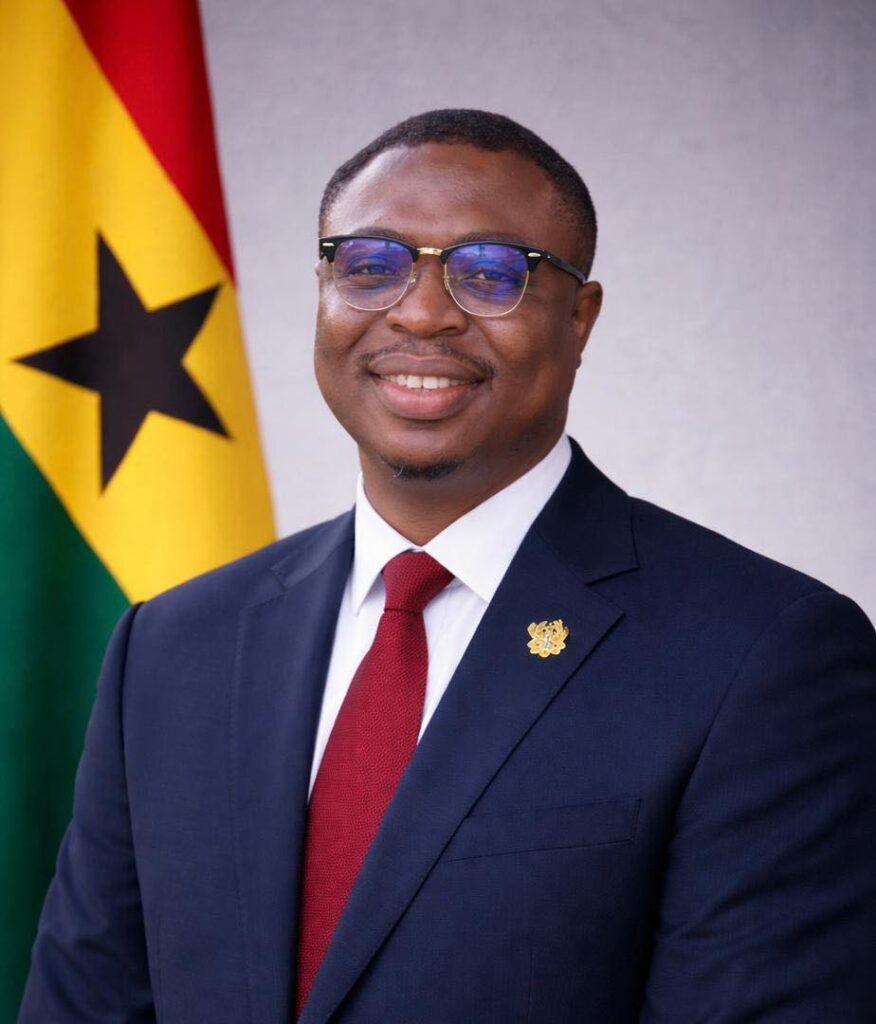
Mr. Anyimah highlighted that these initiatives are vital for “improving livelihoods” and “supporting local development,” reinforcing the idea that mining host communities must remain viable, resilient economic hubs even after active commercial operations cease.
The Critical Imperative for Strategic Community Investments
Across West Africa’s extractive landscape, the socio-economic necessity for direct community investment has never been more urgent.
Host settlements often bear the immediate operational footprint of mining including land diversion for pits and tailing dams making localized, tangible reinvestment essential for maintaining a peaceful social license to operate.

Without dedicated capital injections into public infrastructure, peripheral communities risk falling into economic stagnation once mineral reserves are exhausted.
Strategic corporate social investments provide the structural buffer needed to prevent this cycle. By providing clean water boreholes, upgraded medical dispensaries, and secondary educational facilities, mining firms significantly boost local living standards and lower public health vulnerabilities.
Regulatory Stewardship and the Future of Ghana’s Extractive Industry
The Minerals Commission continues to champion regulatory governance that balances commercial viability with sustainable social development.
Praising the institutional direction of the Commission under Chief Executive Officer Mr. Isaac Tandoh, Mr. Anyimah praised the regulatory body’s “continued commitment to promoting responsible mining practices and ensuring that Ghana’s mineral resources deliver meaningful socio-economic benefits to our people”.
Under this leadership framework, the Commission is actively enforcing compliance, encouraging local content participation, and pushing operators toward higher standards of environmental and social governance (ESG).

Looking ahead, the Minerals Commission calls on all sector participants to view community development not as an optional philanthropic obligation, but as a core operational imperative.
As Ghana positions its mining sector for sustained global competitiveness, alignment between state regulators, private capital, and local host populations remains the cornerstone of sustainable growth.
Through proactive investments like the one demonstrated by Perseus Mining Ghana Limited, the nation’s mineral wealth can successfully serve both present operational goals and the long-term aspirations of future generations.
READ ALSO: Over 90% of Ghanaians With Hepatitis B Don’t Know Their Status – Dr. Nortey