Africa Policy Lens (APL) has submitted a Right to Information (RTI) request to the Minerals Commission of Ghana seeking full public disclosure regarding the competitive tender and subsequent award of the Damang Gold Mine to Engineers and Planners.
The formal request calls for detailed records surrounding the transition, valuation, bidding timeline, and tender evaluation of the Abosso Goldfields Mining Lease. The policy organization emphasizes that the inquiry is filed strictly in the public interest to ensure transparency, accountability, and proper governance over a critical state asset.
“We write to formally request access to information under the Right to Information Act, 2019 (Act 989), in the interests of transparency, accountability, and the efficient management of Ghana’s mineral resources, in accordance with the mandate of the Minerals Commission of Ghana, as established by the Minerals Commission Act, 1993 (Act 450), and related legal frameworks. This request is made in the public interest regarding the Tender for the Damang Mine, its subsequent award to Engineers and Planners, and an enquiry into what the State stands to gain and other important details. Given the Damang Mine’s strategic economic significance as a Strategic National Asset at the time of the tender, the public interest implications of mineral resources governance, and the need to maintain confidence in Ghana’s mining licensing regime, this request seeks to promote transparency, accountability, investor confidence and compliance with Ghana’s mineral governance framework.”
Africa Policy Lens (APL)
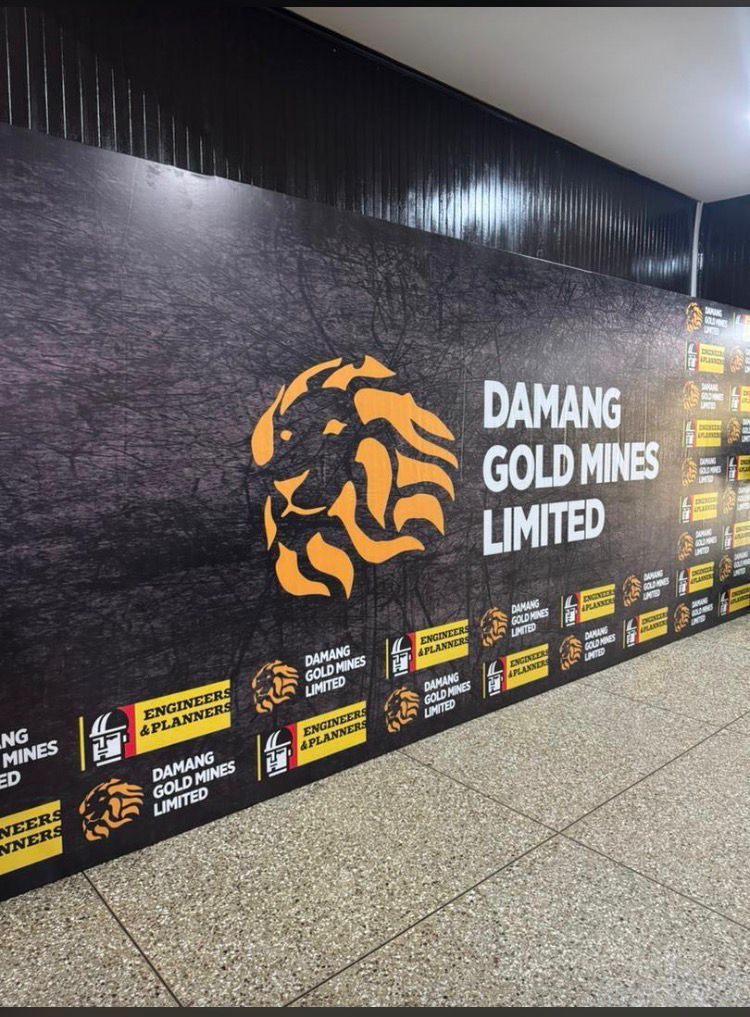
Expanding on its initial application, APL outlines specific regulatory and procedural milestones that require public scrutiny to verify compliance with Ghana’s legal frameworks, particularly the Right to Information Act, 2019 (Act 989), the Minerals Commission Act, 1993 (Act 450), and relevant provisions within L.I. 2176.
The policy group’s query targets key statutory stages, including the initial lease renewal correspondence from Gold Fields Ghana Limited on December 11, 2024, the state’s official response, and a comprehensive transition report spanning April 18, 2025, to April 17, 2026.
Furthermore, APL seeks to uncover complete valuation, technical, and economic advisory reports generated prior to the public tender announcement made by the Minister of Lands and Natural Resources on March 24, 2026.
Unpacking the Eleven Strategic Demands
The core of the RTI request consists of eleven precise questions aimed at verifying whether regulatory compliance was upheld throughout the entire leasing and tendering process.
Beyond asking for the historic correspondence between Gold Fields Ghana Limited and the Minerals Commission, APL demands an exhaustive transition and management report.

This requested audit must encompass gold production and sales figures, asset and liability statements, operational handover metrics, workforce and contractor transition logs, and updated mine reserves and resources assessments.
Additionally, the public interest group focuses heavily on financial clarity, asking for all valuation assessments conducted by the Minerals Commission, the Ministry of Lands and Natural Resources, or third-party state consultants before the mine was formally put up for tender.
Scrutinizing the Legal Timelines and Tender Bidding
A substantial portion of APL’s filing focuses on strict adherence to Minerals and Mining Regulations, specifically L.I. 2176.
The organization requests exact dates and timestamps for when the Minerals Title Department received all submitted bids under Regulation 259, as well as the exact forwarding records to the Tender Committee under Regulation 260.
APL is further probing the setup of the Tender Committee itself under Regulation 261, demanding member names, designations, co-opted expert justifications, appointment letters, and official terms of reference.
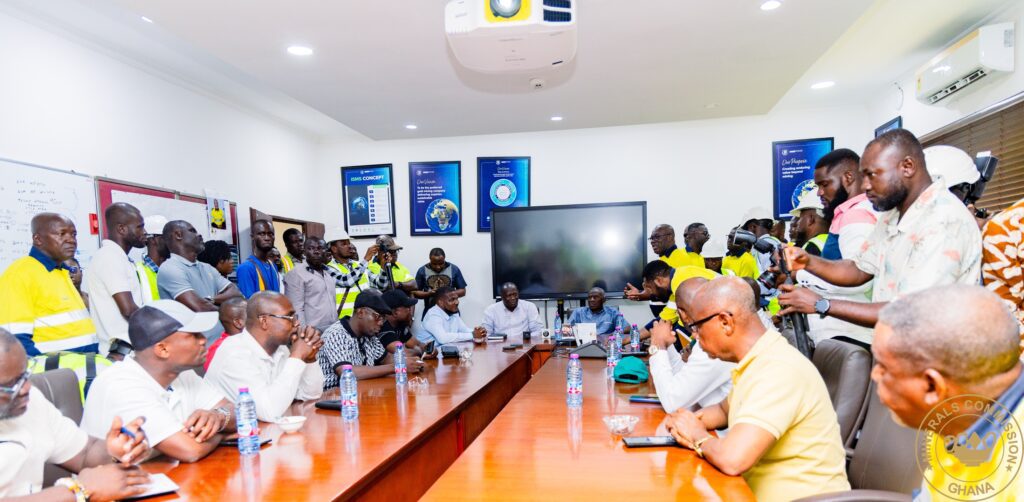
By requesting formal committee minutes, reasons for rejecting competing bidders under Regulation 262(3) and 262(8), and the precise transmission dates of final reports to the Minister, APL aims to trace every step of the transaction.
Safeguarding Investor Confidence and Extractive Governance
The rationale driving this detailed inquiry highlights a growing mandate among civil society bodies to ensure maximum national return and administrative integrity in natural resource transactions.
Because the Damang Mine holds economic weight as a “Strategic National Asset,” transparency around how state institutions value, manage, and reallocate mining leases directly impacts long-term investor confidence and domestic economic stability.
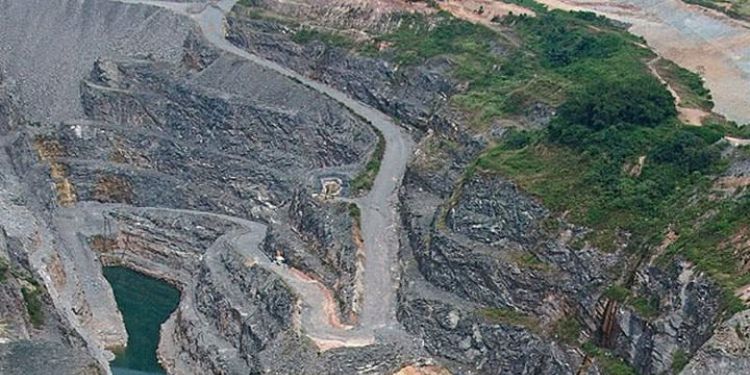
By scrutinizing what “the State stands to gain” from the transaction with Engineers and Planners, APL’s request serves as a crucial sanity check for Ghana’s extractive sector governance.
Ultimately, the Minerals Commission’s response will set an important precedent for statutory compliance and openness in public asset transfers moving forward.
READ ALSO: Kris Jenner’s Beloved Mother MJ Dies After Cancer Battle