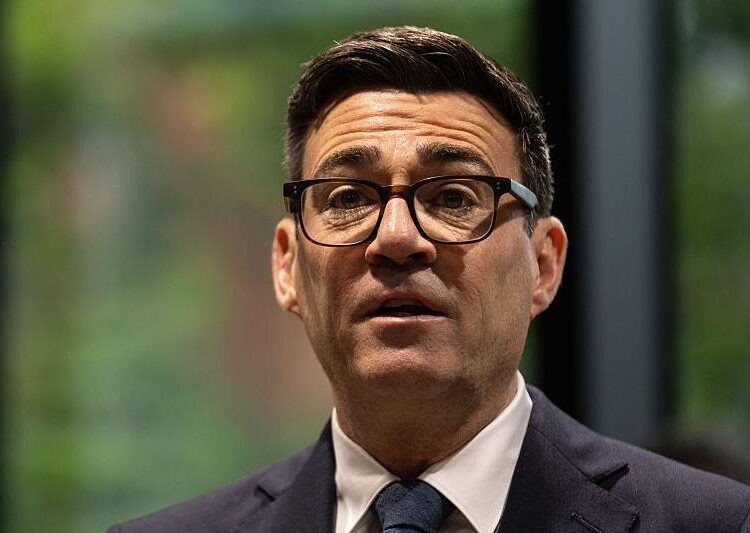
UK Prime Minister Andy Burnham has turned to opposition parties in a bid to forge a cross-party agreement on reforming England’s long-struggling social care system
urging political rivals to put aside years of partisan politics and come together to address Britain’s most pressing national concerns.
Burnham is scheduled to host Conservative leader Kemi Badenoch and Liberal Democrat leader Sir Ed Davey at Downing Street, in what his government hopes will be the start of a long-term consensus on fixing a social care system that experts have repeatedly warned is putting undue strain on the National Health Service.
The summit comes just days after Burnham entered Downing Street and reflects his pledge to usher “a different kind of politics” one focused on solving entrenched national problems rather than scoring political points.
Social care has become the first major domestic issue on which the new Prime Minister is seeking cooperation from opposition parties, arguing that successive governments have failed to deliver meaningful reform because of political divisions.
Ahead of a speech at a care home in north London, Burnham appealed directly to political leaders to put aside ideological differences and confront a challenge that has remained unresolved for decades.
“For decades, governments have kicked this issue down the road because they’ve seen it as too risky, too difficult, and too complicated. Politicians might have different views but I’m serious about fixing this issue and to do that, we have to find common ground and listen to others to find a way forward.
Andy Burnham
He added, “it’s time to draw a line under people playing politics when the human cost of that means carers struggling, families paying the price and our NHS buckling under the strain.”

Adult social care has long been regarded as one of the most difficult policy areas facing British governments. Unlike the NHS, which provides healthcare free at the point of use, adult social care in England is means-tested, leaving many people responsible for paying substantial care costs themselves. Individuals with savings exceeding £23,250 generally do not qualify for financial assistance from local authorities, meaning families often face difficult financial decisions when relatives require long-term support.
The sector provides vital services that enable older people, disabled individuals and vulnerable adults to live independently through assistance delivered in their own homes or residential care facilities.
However, years of rising demand, staffing shortages and funding pressures have left many councils struggling to meet growing needs, while delayed discharges from hospitals caused by shortages in social care have placed additional strain on the NHS.
Burnham’s initiative also revives a social problem he attempted to resolve more than a decade ago. As health secretary in 2009, he proposed reforms that included a levy on assets after death to help finance long-term care. The proposal was fiercely criticised by Conservatives at the time, who branded it a “death tax,” effectively ending prospects for cross-party agreement.
Downing Street has rejected suggestions that Burnham intends to revive that proposal, despite accusations from Reform UK that the government is preparing to return to the controversial policy under a different name.
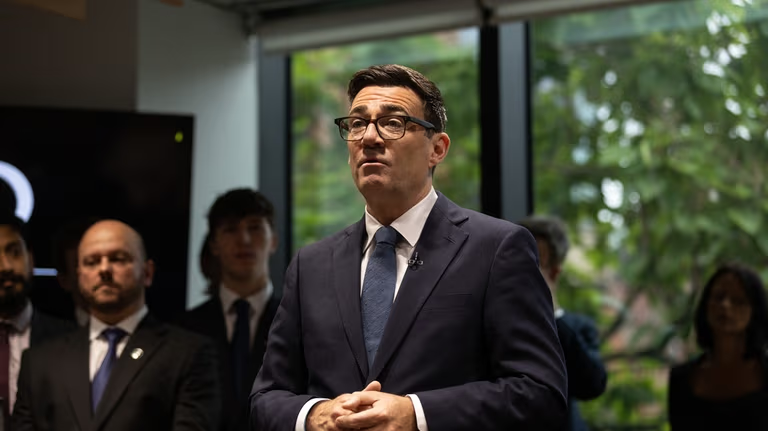
The Prime Minister, Andy Burnham insists the summit represent an opportunity to break with decades of failed reform efforts.
“This comes down to a choice. We can carry on passing the problem to the next generation, or we can face it head on and work together to build a care system that gives people dignity, security and the support they deserve.
Andy Burnham
He further noted that, “this is about bringing back hope that we can finally fix the difficult issues that have been ignored for too long, and making Britain believe again,” adding, “that’s why I’m making this choice and I’m prepared to put everything I’ve got behind it.”
Reform Plans Face Economic Reality Despite Political Consensus

Although opposition leaders have broadly welcomed Burnham’s willingness to seek consensus, significant disagreements remain over how any reforms should be financed.
Liberal Democrat leader Sir Ed Davey, whose party has long advocated cross-party negotiations on social care, indicated that his party is ready to participate constructively in the discussions.
“There have been 22 failed attempts at reforming social care since 1997. To see the 23rd effort work, we need to do things differently. My party has been pushing for cross-party talks on care for years, because it is the only way to build a solution that actually works. For carers and for our country, nothing matters more, so I look forward to meeting the prime minister to begin these talks.”
Ed Davey
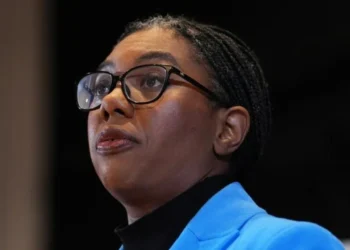
Conservative leader Kemi Badenoch has also expressed a willingness to engage in negotiations but has drawn a clear line over funding, insisting her party will not support reforms financed through additional tax increases.

The discussion is anticipated to be dominated by the issue of funding. Burnham’s government is already under pressure to explain how it plans to pay for a number of costly election pledges, such as lowering bus fares to £2, eliminating VAT on home energy bills, and lowering business rates for bars and clubs by 20%.
Economic challenges have added further complexity. Analysts have warned that inflation could approach four percent next year, while concerns over public borrowing and government finances have intensified. Defence spending commitments are also expected to place additional pressure on the Treasury, with estimates suggesting the government may need to find between £5 billion and £18 billion to meet future military obligations.

However, not all political parties will have a seat at the summit. Burnham has chosen not to invite Reform UK despite the party’s recent polling strength, prompting criticism from leader Nigel Farage, who accused the Prime Minister of excluding a movement supported by millions of voters.
READ ALSO: Chawinga Nets Hat-trick as Malawi Stun Nigeria on WAFCON Debut