
The Electricity Company of Ghana (ECG) has called for deeper collaboration among African power utilities, arguing that the continent’s electricity future will depend not only on stronger national utilities but also on the creation of a more integrated and resilient regional electricity market.
Speaking on the third day of the African Power Utilities Association (APUA) conference in Accra, ECG Managing Director Ing. Kwame Kpekpena said regional power integration has become essential to delivering reliable, affordable and sustainable electricity to households, businesses and public institutions across Africa.
The conference has brought together utility executives, policymakers, regulators, financiers, development partners and energy experts from across the continent to discuss practical pathways toward an integrated African electricity market.
For Ghana, the discussions come at a time when electricity demand is rising, investment needs remain significant and regional cooperation is increasingly being viewed as a tool for improving energy security and operational efficiency.
According to Ing. Kpekpena, the next phase of Africa’s power sector development must move beyond strengthening individual utilities and focus on building interconnected systems capable of supporting economic transformation across borders.
Today’s discussions move us from strengthening individual utilities to strengthening Africa’s electricity future through integration.
ECG Managing Director Ing. Kwame Kpekpena
Utility reforms and resilience dominate discussions
Reflecting on deliberations from the previous day, the ECG Managing Director said utility leaders had reviewed progress made since 2019 in areas such as corporate governance, financial sustainability, investment readiness and cybersecurity resilience.

He noted that the discussions highlighted the importance of strong institutions, prudent financial management and strategic partnerships in responding to Africa’s growing electricity demand.
Across many African countries, utilities continue to face challenges related to revenue collection, infrastructure investment, system losses and the increasing need for digital transformation.
Ing. Kpekpena argued that addressing these challenges will require both domestic reforms and greater cooperation among utilities on operational and technical issues.
Continental electricity initiatives gather momentum
The ECG Managing Director pointed to several continental initiatives that he described as major milestones toward a more interconnected African electricity market.
These include the African Single Electricity Market (AfSEM), the Continental Power Systems Master Plan, and the East African Power Pool-Southern African Power Pool (EAPP-SAPP) Market Coupling Initiative.
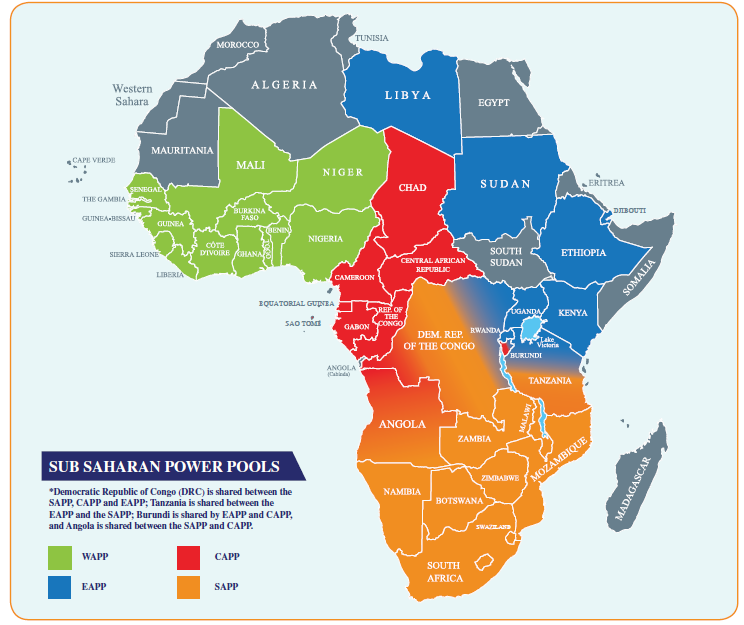
According to him, these initiatives are laying the foundation for a more efficient and resilient electricity system capable of facilitating cross-border power trade and improving resource utilisation.
He stressed, however, that regional integration should not be viewed merely as a technical exercise involving transmission lines and regulatory harmonisation.
One Grid, One Market, One Vision for Africa is not merely about building transmission infrastructure or harmonising regulations.
Ing. Kwame Kpekpena said, adding that the real goal is to ensure that regional cooperation produces tangible improvements in electricity quality, reliability and affordability.
Customer benefits must remain central
Ing. Kpekpena said electricity distribution companies must continually assess how continental integration can translate into better outcomes for consumers.

As distribution utilities, we must continually ask ourselves one important question: How do we translate continental market integration into better service for our customers?
Ing. Kpekpena challenged participants.
He argued that deeper collaboration among African distribution utilities could help accelerate improvements in governance, financing, operational efficiency, digital transformation and peer learning.
Such cooperation, he said, would support the delivery of more customer-centred services while helping utilities build resilience against future operational and financial pressures.
ECG highlights collaboration and innovation
The ECG Managing Director also used the conference to reaffirm the company’s commitment to innovation, regional collaboration and customer-focused service delivery.

As Ghana’s largest electricity distribution company, ECG plays a central role in the country’s power sector, supplying electricity to millions of households and businesses.
The company has in recent years pursued digitalisation initiatives, operational reforms and investments aimed at improving service delivery and reducing losses.
Ing. Kpekpena said stronger partnerships with other African utilities could help accelerate the exchange of best practices and strengthen the capacity of distribution companies across the continent.
Development partners recognised
He commended APUA, the African Union Commission, AUDA-NEPAD, the African Development Bank, regional power institutions and development partners for their continued support for Africa’s energy integration agenda.

According to him, sustained collaboration among these institutions will be critical to mobilising investment and accelerating the implementation of regional power market initiatives.
He expressed confidence that the Accra conference would produce practical recommendations capable of strengthening cooperation among utilities and advancing the continent’s integration objectives.
Integration seen as key to energy security
Energy experts have increasingly argued that regional electricity integration can help African countries manage supply variability, reduce reserve requirements and improve the efficiency of power systems.
For Ghana, greater regional cooperation could also create opportunities for power trade, improved system reliability and more efficient use of generation resources.

The discussions at the APUA conference therefore reflect a broader continental effort to build electricity systems that are not only larger, but also more interconnected, financially sustainable and responsive to customer needs.
For ECG, the message from Accra was clear: the future of Africa’s electricity sector will be shaped not only by investments within national borders, but by the strength of the partnerships that connect utilities across the continent.
READ MORE: Policy Rate Freeze Signals Fresh Momentum for GSE Rally, Analyst