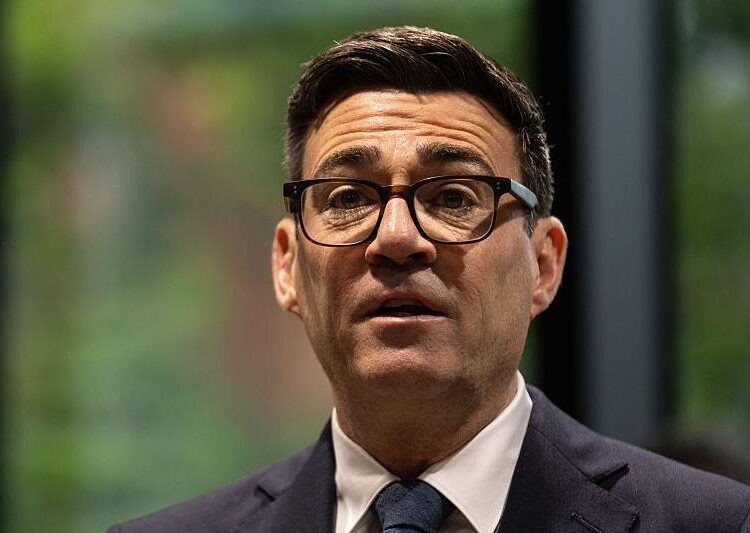
The British government has clarified that Prime Minister Andy Burnham is not actively considering launching a public inquiry into convicted sex offender Jeffrey Epstein’s activities in United Kingdom, following comments from a Cabinet Minister that prompted speculation over the possibility of a wide-ranging investigation.
The clarification from Downing Street came after Victims Minister Alex Davies-Jones suggested during an interview that the government was reviewing whether a public inquiry could be established into allegations linked to Epstein and the late former Harrods owner Mohamed Al Fayed.
Her remarks fuelled expectations that the newly installed Labour government was weighing a formal investigation into how powerful individuals were allegedly able to abuse vulnerable victims and whether institutional failures allowed such behaviour to continue unchecked.
However, a Ministry of Justice spokesperson later sought to clarify the government’s position, stating that while Burnham remained committed to supporting survivors and reviewing available options, a statutory public inquiry was not currently under active consideration.
The government’s response nevertheless leaves open the possibility of alternative measures aimed at supporting victims or examining systemic failings without establishing a full public inquiry.
The issue has gained renewed political attention following Burnham’s arrival in Downing Street, with campaigners urging the new administration to revisit unresolved questions surrounding Epstein’s links to the United Kingdom and allegations involving other influential figures.
Earlier, Davies-Jones revealed that she had discussed the prospect of an inquiry with Burnham and Cabinet Secretary Dame Antonia Romeo during conversations surrounding her return to government.
She also indicated that Burnham intended to engage directly with survivors.
“I have been assured that the Prime Minister is taking this very seriously. He will meet with those victims and he is looking at what is possible, now he has access to all of the information as prime minister to see what action we can take.”
Alex Davies-Jones
Davies-Jones has emerged as one of the government’s strongest advocates for victims of sexual abuse. She resigned from Keir Starmer’s administration in May, later accusing the previous government of failing to listen adequately to survivors connected to Epstein’s abuse. Andy Burnham subsequently reappointed her as Victims Minister after taking office.
“I did have those discussions with the Prime Minister before he became the Prime Minister. He agreed to meet with the Epstein victims,” she continued, adding that Burnham “has assured me that he will meet them now he’s Prime Minister and will work with us to look at systemic change across the system for all victims.”
Campaigners Call for Full Inquiry Into Institutional Failures

Although the government has ruled out actively pursuing a public inquiry for now, pressure continues to mount from campaigners seeking a broader examination of how influential individuals were allegedly able to evade scrutiny for years.
According to reports, Burnham received a briefing document while preparing to assume office from prominent Labour campaigners working on violence against women and girls.
The document reportedly proposed establishing a comprehensive “impunity” inquiry examining how powerful men were allegedly able to commit abuse without facing accountability.
Alongside Epstein, the proposal referenced allegations involving the late Mohamed Al Fayed and claims raised during investigations by BBC Panorama and The Times concerning West Ham United co-owner David Sullivan.
Sullivan has denied the allegations, describing them as false and stating that he is “absolutely not the person the media has decided to paint me as.”
Campaigners have also urged authorities to investigate how Epstein repeatedly entered and left the United Kingdom, including questions surrounding reported flights involving UK military facilities.
Former Prime Minister Gordon Brown previously highlighted concerns over border controls and called for greater scrutiny of the circumstances surrounding Epstein’s travel.
The latest developments illustrate the difficult balance facing Burnham’s government as it attempts to demonstrate support for victims while determining whether existing legal and investigative mechanisms are sufficient to address longstanding concerns.
Rather than committing immediately to a judge-led inquiry, the government appear to be exploring alternative approaches focused on victim engagement, policy reform and identifying systemic weaknesses within institutions responsible for protecting vulnerable people.
The government’s emphasis on reviewing “all options” suggests that discussions remain ongoing behind closed doors, even as officials seek to temper expectations surrounding the launch of a formal inquiry.
As Burnham begins his premiership, his handling of calls for greater accountability over the Epstein case is likely to remain under close scrutiny.
While Downing Street has made clear that a public inquiry is not currently on the government’s agenda, the Prime Minister’s commitment to meeting survivors indicates that the issue will continue to occupy an important place in broader discussions about justice, accountability and support for victims of sexual abuse.
READ ALSO: China Unveils Retaliatory Measures Against U.S. Firms