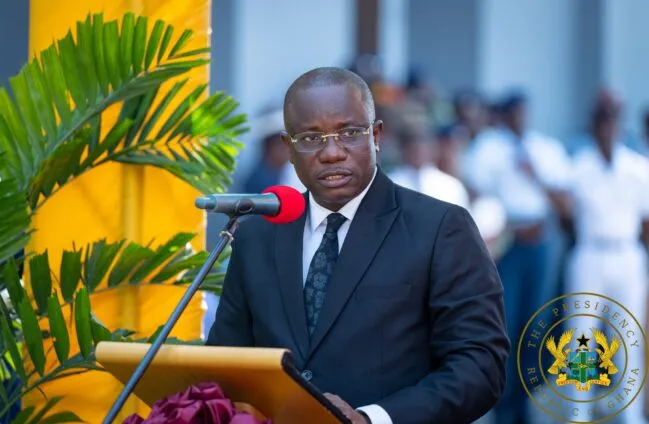
The Former Defence Minister, Dominic Nitiwul and Member of Parliament for Bimbilla, has outlined three critical areas he believes require urgent attention following the appointment of Kenneth Gilbert Adjei as Defence Minister. He identified accommodation, equipment and troop morale as the pillars that will determine the success of the new administration at the Ministry of Defence.
“The three priorities are clear: accommodation, equipment and morale. Any minister who tackles these effectively will place the Armed Forces on a stronger footing for the future.”
Honourable Dominic Nitiwul
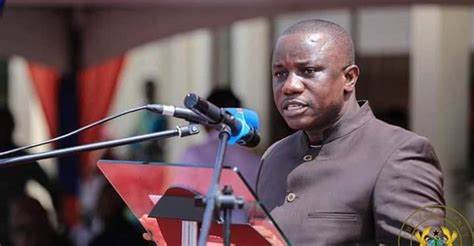
Discussing the state of the Ghana Armed Forces, Honourable Nitiwul observed that housing is one of the most pressing challenges facing personnel. According to him, improving living conditions for officers and soldiers would significantly strengthen operational effectiveness across the military.
The Former Defence Minister further highlighted the need for modern equipment across the Army, Navy and Air Force. From his perspective, military readiness depends heavily on access to the tools required to respond to emerging security threats and fulfil national responsibilities.
Addressing troop welfare, Mr Nitiwul pointed to declining morale among service personnel. He attributed the situation partly to reduced participation in United Nations peacekeeping operations and the pressure created by growing numbers of recruits competing for limited accommodation.
Beyond the immediate priorities, the former minister drew attention to the financial demands associated with military reforms. He estimated that billions of cedis would be required to improve accommodation facilities and procure essential equipment for the security services.
In addition, Honourable Nitiwul argued that resource allocation would play a decisive role in determining the pace of reforms. The emphasis, he noted, should remain on projects that directly improve the welfare and operational capacity of soldiers.
Analysing the broader security environment, he also referenced the need to strengthen Ghana’s northern frontier. Consideration was given to Forward Operating Bases and Logistics Centres established to support security operations in vulnerable areas.
According to him, sustained investment in those facilities would enhance preparedness against potential extremist threats. Such infrastructure, he explained, remains vital to preserving stability and safeguarding communities along the country’s northern corridor.
Another dimension of the discussion is on the deployment of soldiers in national assignments. The Former Defence Minister stressed that personnel engaged in operations such as the fight against illegal mining must receive adequate support and resources.
Furthermore, he underscored the importance of collaboration between the military and other security agencies. Effective coordination, he indicated, strengthens national security and improves outcomes in complex operations.
Referencing leadership within the security sector, Honourable Nitiwul acknowledged Kenneth Gilbert Adjei’s previous experience at the Defence Ministry. That background, he suggested, provides a useful foundation for understanding the institution’s operational demands.

“The ministry can succeed when resources match expectations and when soldiers receive the support they deserve. That combination strengthens confidence across the ranks.”
Honourable Dominic Nitiwul
The former minister indicated that trust between the Defence Minister, the Military High Command and the President remains essential. In his assessment, effective leadership flourishes when confidence exists across all levels of command.
Defence Leadership Success Hinges On Trust And Direction
The appointment of a substantive Defence Minister has renewed discussions about leadership and strategic direction within Ghana’s security architecture. Observers believe the role carries significant responsibility at a time when regional security dynamics continue to evolve.
Commenting on the development, former Defence Minister Dominic Nitiwul acknowledged the President’s constitutional authority to appoint ministers. At the same time, he noted that the Defence Ministry operated without a substantive minister for several months before the recent appointment.
According to Honourable Nitiwul, the selection of Kenneth Gilbert Adjei brings experience to the position. He recalled that the new minister previously served as Deputy Minister for Defence, giving him familiarity with the institution and its operational framework.

From his perspective, previous exposure to the ministry could support a smoother transition into the substantive role. Such experience, he suggested, often provides a clearer understanding of the challenges and opportunities within the security sector.
“The trust of the military and the confidence of the Commander in Chief are indispensable. Those two factors create the foundation for success.”
Honourable Dominic Nitiwul
Discussing the qualities required for the office, Honourable Nitiwul indicated that strong relationships within the Armed Forces are essential. Military institutions, he observed, perform best when leadership commands respect across all ranks.
Similarly, he highlighted the importance of maintaining a productive working relationship with the President. Since the President serves as Commander in Chief of the Ghana Armed Forces, cooperation between the two offices remains central to decision making and implementation.
READ ALSO: NUGS President Proposes Social Media Ban for Children Under 15