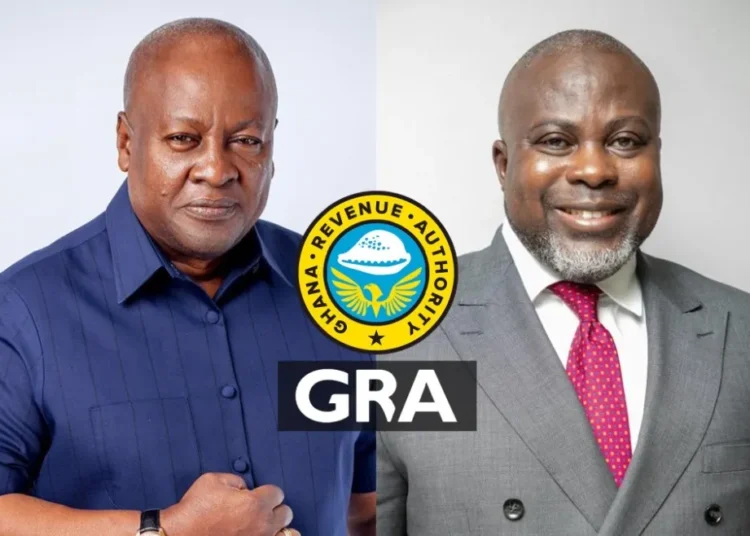
Ghana is preparing for a major transformation in the way Value Added Tax is collected, with the Ghana Revenue Authority (GRA) betting on new fiscal electronic devices to unlock billions of cedis in additional revenue.
The Commissioner-General of the GRA, Anthony Kwasi Sarpong, has described the deployment of the devices as a potential “game changer” for revenue mobilisation, particularly as the authority intensifies efforts to close persistent gaps in VAT compliance.
The new system is expected to bring greater transparency to transactions while making it more difficult for businesses to underreport sales or fail to remit taxes collected from customers.
GRA Targets Major VAT Compliance Gap
Parliament has approved the Fiscal Electronic Device Act, paving the way for businesses to install certified electronic fiscal devices at their points of sale.
The devices will be designed to record transactions, automatically calculate VAT and transmit transaction information directly to the GRA in real-time.
The move is expected to significantly strengthen the authority’s ability to monitor taxable transactions across the country.
According to Mr Sarpong, the scale of the VAT compliance challenge remains significant. He revealed that only four out of every ten businesses currently pay VAT.
“For every 10 businesses that exist, only 4 pay VAT. Within the remainder, some of them are not charging, and also those businesses charging aren’t paying remittances.”
Anthony Kwasi Sarpong
The Commissioner-General believes the reforms could fundamentally change this situation.
“The new VAT reform will be a game changer. We believe that when this is successful, it will rake in more revenue,” he added.
Digital Tracking to Transform Tax Collection
The planned fiscal electronic devices are expected to give the GRA a more accurate picture of business activity and VAT collections.
Under the new arrangement, taxable transactions will be captured electronically rather than relying heavily on manual processes and declarations from businesses.
This could give the revenue authority greater visibility over sales and VAT obligations while helping identify discrepancies between transactions recorded by businesses and taxes eventually remitted to the state.
For the GRA, the technology represents an opportunity to tackle one of the biggest obstacles to domestic revenue mobilisation.
The initiative is expected to begin with mid-sized shops and supermarkets across the country before potentially expanding to other categories of taxable businesses.
The rollout comes at a time when Ghana is seeking to strengthen domestic revenue mobilisation and reduce leakages that undermine government finances.
Asantehene Demands Wider Tax Net
The planned VAT reforms were discussed as the GRA Board paid a courtesy visit to the Asantehene, Otumfuo Osei Tutu II, at the Manhyia Palace.
The visit marked the Board’s first courtesy engagement with the Asantehene since its inauguration nearly a year ago. It also provided an opportunity for the GRA leadership to brief the Asantehene on its mandate and achievements.
Otumfuo Osei Tutu II welcomed the efforts of the GRA but challenged the authority to go further by expanding the tax net, particularly within the informal sector.
He argued that many individuals and businesses with the capacity to pay taxes remain outside the formal tax system.
“Do well to collect taxes from the areas we haven’t focused much on. We have a lot of people who have money but fail to pay their taxes. If we make them understand the importance of taxes, they will pay.”
Otumfuo Osei Tutu II
The Asantehene also warned against revenue leakages within the tax collection system.
“Also, do not be selfish with your work. Think and work collaboratively for Ghana. If you have workers or managers who pocket some taxes, let’s be watchful of them,” he added.

GRA Reports Strong Revenue Mobilisation
The GRA has also pointed to its recent revenue mobilisation efforts as evidence of the authority’s intensified focus on improving collections.
According to information presented during the engagement, the authority mobilised more than GH¢80 million in the first half of the year, with an end-of-year target exceeding GH¢170 million.
The figures highlight the growing importance of efficient tax collection as government seeks to generate more resources domestically.
Improving VAT compliance could provide an especially important boost because VAT remains a major source of government revenue.
With the new fiscal devices, the GRA hopes to reduce opportunities for underreporting and improve the efficiency of VAT administration.
Business Community Faces New Tax Technology
The reforms, however, are expected to require businesses to adjust to a new era of technology-driven tax administration.
GRA Board Chair George Kweku Ricketts-Hagan acknowledged that some businesses initially expressed concerns about new taxation systems, including the Publican AI initiative.
He said some of the resistance has since eased as businesses gain a better understanding of how the systems work.
“Earlier there were noises from people who couldn’t comprehend the system. But now that has subsided. People are now beginning to understand the system. This would help with revenue collection for national development.”
The comments suggest that education and engagement with businesses will remain critical as the government moves to implement the reforms.
VAT Reform Could Reshape Ghana’s Revenue Future
The introduction of fiscal electronic devices could mark one of the most significant changes to Ghana’s VAT collection system in recent years.
By connecting transactions directly to the GRA, the system could provide the authority with real-time information while strengthening compliance monitoring.
For businesses, the reform is likely to increase accountability and require greater accuracy in recording and reporting taxable transactions.
For the government, the potential prize is much bigger: more predictable domestic revenue and reduced leakages.
As the rollout approaches, attention will turn to how effectively the GRA can implement the system, support businesses and enforce compliance.
If successful, the new technology could transform VAT collection and give Ghana a powerful new tool in its drive to mobilise more domestic revenue.
READ ALSO: GNAT Calls for Urgent Action On Stalled GES Promotions