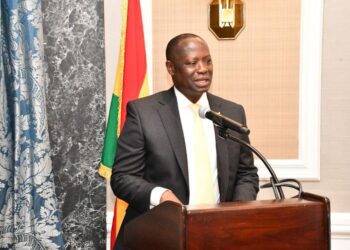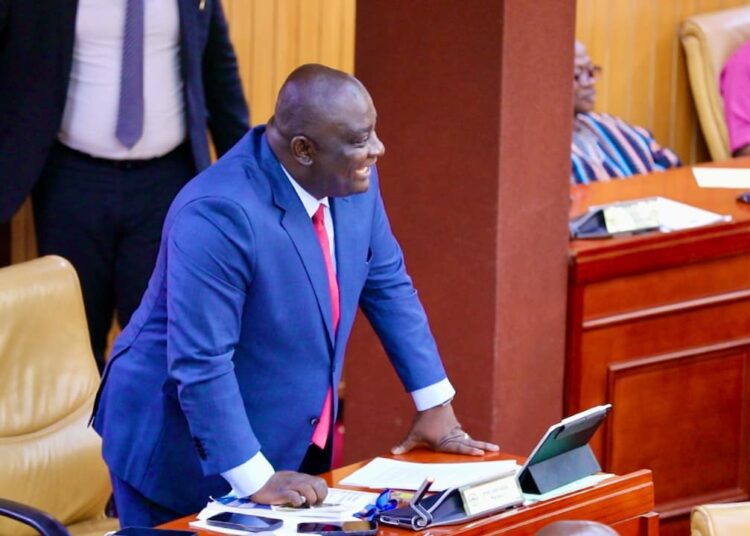
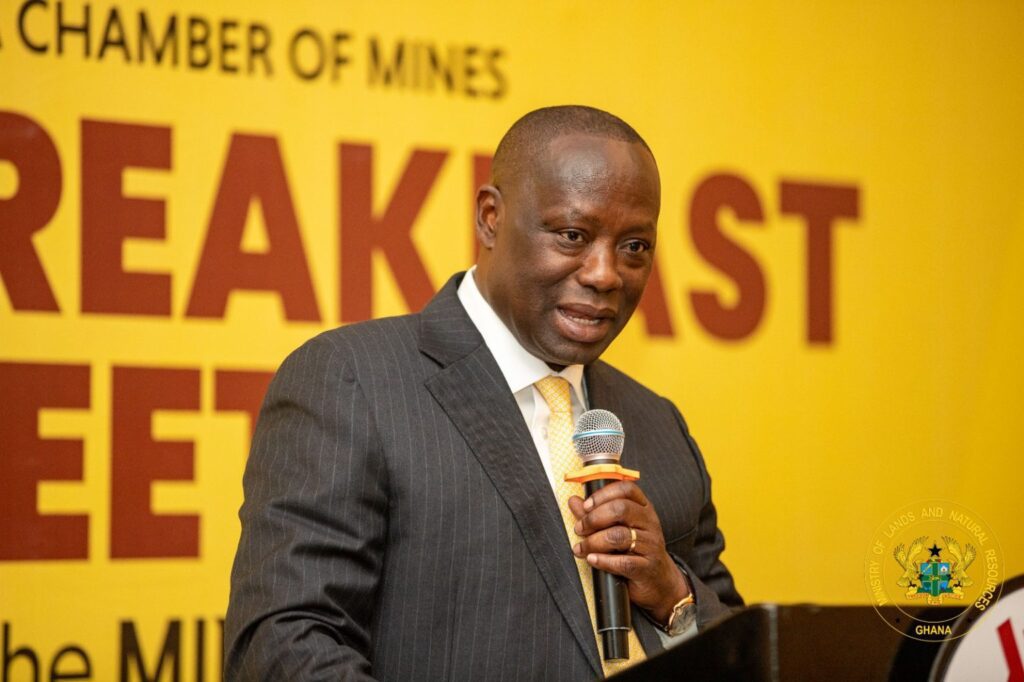
Member of Parliament for Mpraeso, Hon. Davis Opoku, has advocated for a decisive shift toward indigenous ownership within Ghana’s extractive sector, asserting that retaining mineral revenue inside the country is essential for financing domestic public infrastructure.
In an interview with The Vaultz News, he emphasized that transitioning from foreign domination to local stewardship in the mining and energy industries ensures that capital remains within the domestic economy, directly funding vital socio-economic assets such as roads, drainage systems, schools, and hospitals.
According to the lawmaker, establishing a robust framework that prioritizes capable local enterprises will ultimately transform Ghana’s resource endowment into tangible national development.
“And at the end of the day, you and I will stand to benefit. I mean, more roads, more gutters, more hospitals, more schools will be constructed because instead of $547 million leaving the shores of Ghana to maybe South Africa or Australia, that money will be staying in Ghana to help develop Ghana. It is our minerals; it is not owned by any foreigner.”
Member of Parliament for Mpraeso, Hon. Davis Opoku
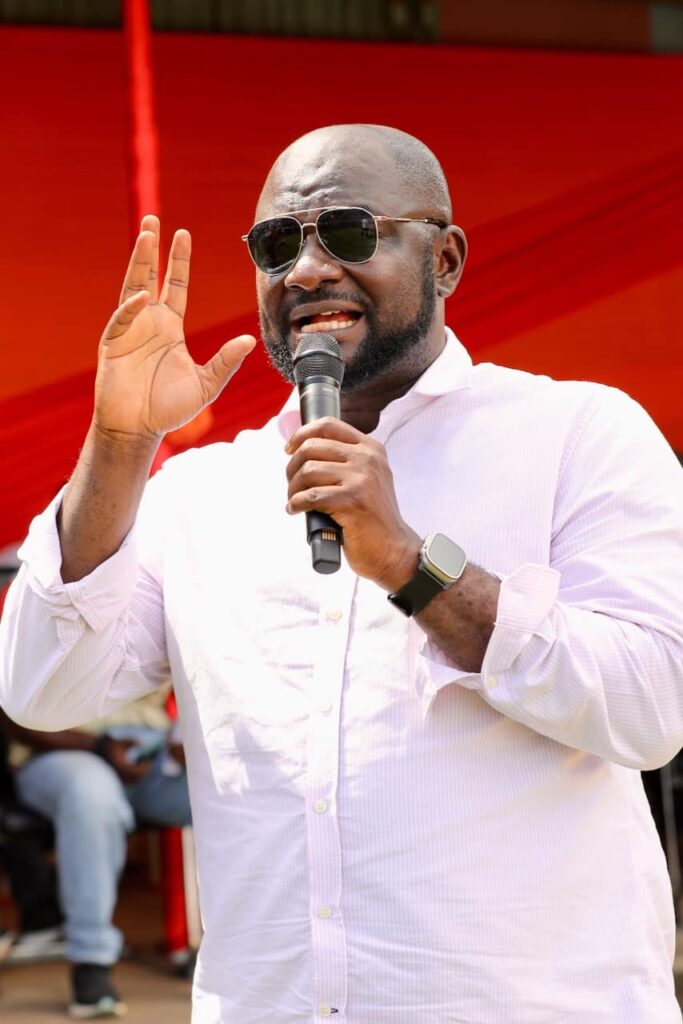
Expanding on this imperative, Hon. Opoku stressed that localizing resource ownership should proceed in alignment with the growing technical capacity, financial resources, and operational expertise of Ghanaian firms.
Drawing parallels to Nigeria’s intentional backing of industrial conglomerates to foster regional market champions, he urged state institutions and citizens to offer unyielding support to indigenous companies and policy advocates like the Institute of Economic Affairs (IEA).
Rather than routinely renewing expired mining leases for foreign multinational corporations which often export substantial profits to their home jurisdictions he argued that the state must reclaim expired concessions for indigenous entities to guarantee that the multi-million-dollar economic rents generated from Ghanaian soil remain anchored at home.
Bridging Capacity Gaps and Building Local Industrial Champions
To realize the full potential of local content frameworks, the transition toward indigenous management must be backed by deliberate policy support that equips domestic operators to handle capital-intensive extraction.
Hon. Opoku noted that whenever a local firm possesses the requisite technical expertise to explore, drill, or manage mineral and petroleum fields, the government should grant them primary rights.
By fostering an environment where indigenous firms receive state backing similar to the institutional support that empowered West African conglomerates like Dangote to expand continent-wide, Ghana can establish its own multi-national extractive leaders.
Beyond elite corporate development, local ownership generates massive multi-tier economic benefits.
When indigenous companies manage mining and petroleum operations, non-wage value retention increases dramatically through local supply chains, engineering procurement, catering, transport, and equipment servicing.
This institutional ecosystem builds sustainable technical capabilities within the local workforce, reduces reliance on foreign expatriates, and creates high-skilled jobs that boost domestic tax revenues through personal income taxation and corporate profits.
Curtailing Capital Flight for Domestic Development
A primary driver behind the push for indigenous resource management is the persistent challenge of capital flight, where massive profits generated from natural resource extraction are repatriated offshore rather than reinvested locally.
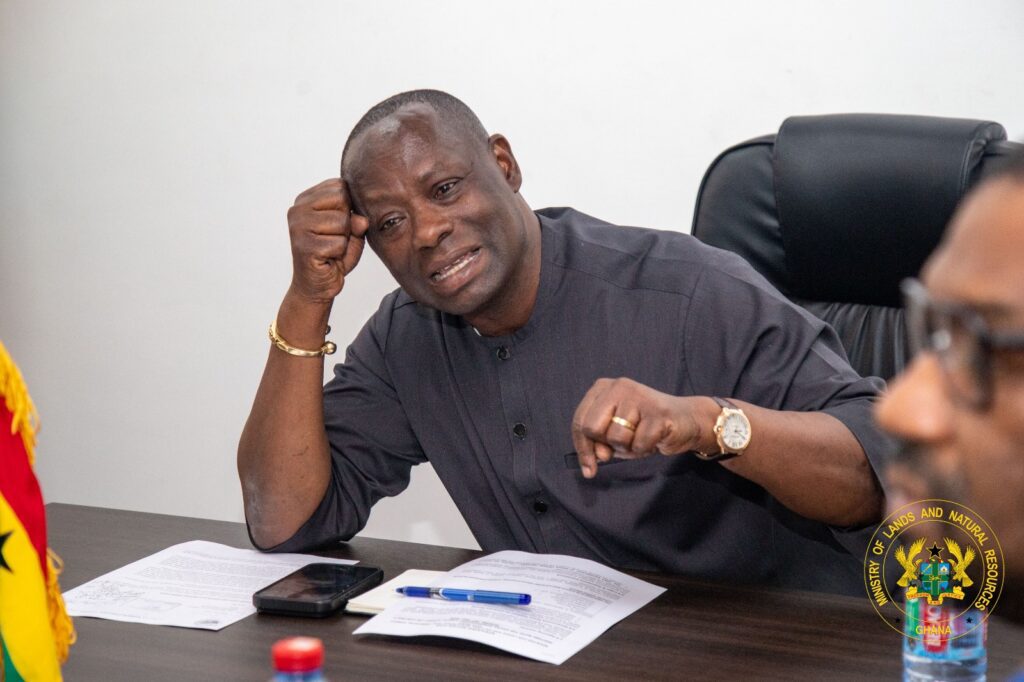
Hon. Opoku highlighted that significant sums such as the estimated $547 million in repatriated revenues frequently flow out of Ghana to financial centers in South Africa, Australia, or North America, leaving host communities with degraded environments and underfunded infrastructure. Re-anchoring these funds in domestic financial institutions provides the liquidity required to underwrite internal growth.
When mineral revenues stay within the domestic banking system, they enhance national capital reserves, stabilize the local currency against major foreign currencies, and lower borrowing costs for domestic enterprises.
Furthermore, retaining these funds allows the state to capture a higher share of resource rent through direct corporate tax compliance, dividend payouts, and equity earnings.
These funds can then be directed into critical public assets, upgrading transportation networks, expanding healthcare access, and modernizing primary and tertiary educational facilities across the country.
Enhancing Economic Resilience Through Strategic Localization
The call for local ownership also serves as a strategic safeguard against external economic shocks and diplomatic friction.
Hon. Opoku expressed concern over the mistreatment of Ghanaian entrepreneurs abroad, contrasting foreign hostility with Ghana’s hospitable business climate toward foreign investors.
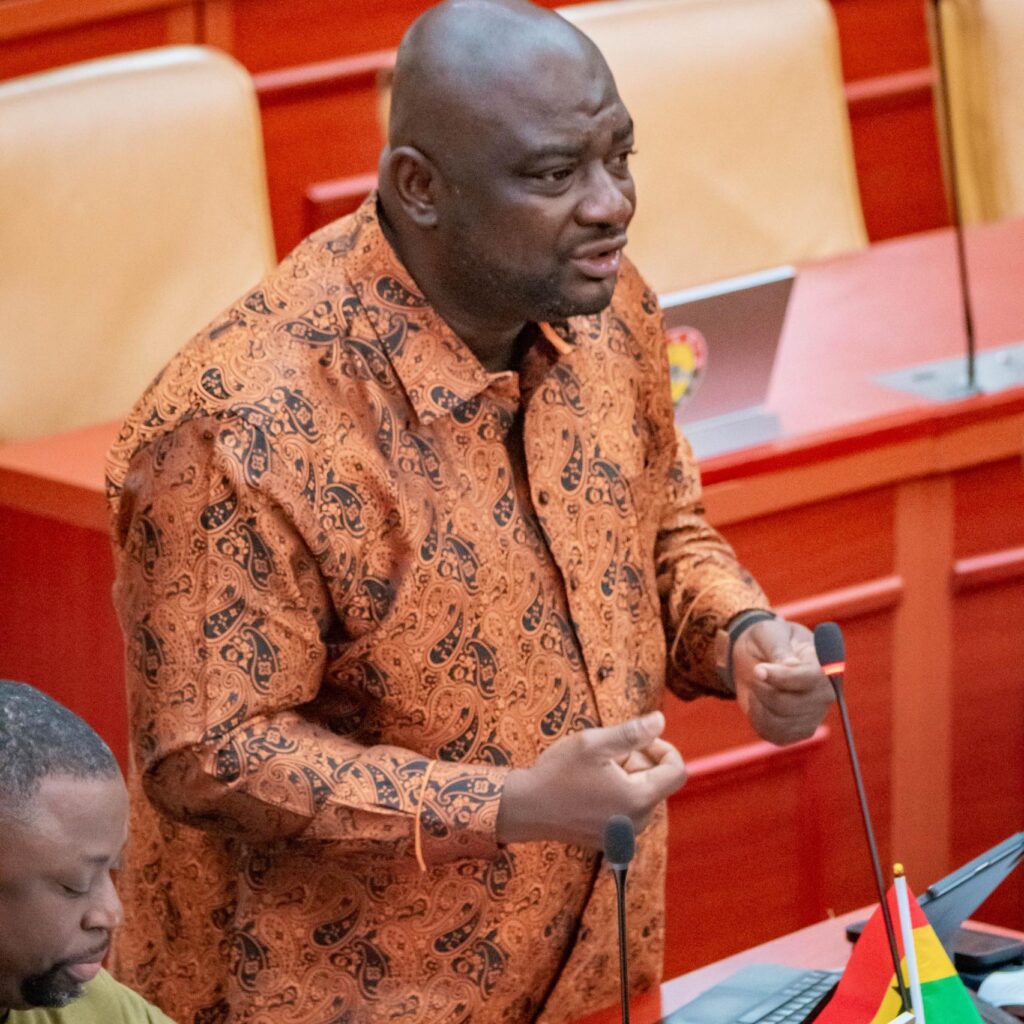
I mean, go to most of these big firms. You have the Rockshores, you have the E&P. I mean, a lot of these firms doing their mining, their operational field, all they do is kind of take the ore, leave our shores, and we see them no more. Like I mentioned, just last year, I mean, Goldfields made close to about $500 million profit just last year, just from Ghana, in their entire operation globally.
Hon. Davis Opoku, the Member of Parliament for Mpraeso
By establishing firm control over expired mineral concessions and empowering domestic champions, Ghana reduces its geopolitical vulnerability and ensures that national wealth directly services local welfare rather than expanding foreign economies.
Ultimately, aligning mineral governance with progressive local content policies transforms natural wealth from a passive extraction regime into an engine for structural economic transformation.
Sustainable economic development requires that natural resources yield permanent domestic assets. By backing indigenous companies, supporting reform-oriented policy institutions like the IEA, and enforcing strict local retention criteria upon lease expirations, Ghana can build a self-sustaining economy powered by its own resource wealth.
READ ALSO: Amin Adam Congratulates New Majority Leader, Demands Greater Consensus