Ghana’s recent fiscal improvement has come under fresh scrutiny after the World Bank warned that the country’s fiscal surplus is being achieved largely through aggressive spending cuts, with capital expenditure ending 38% below the approved budget.
The warning has raised concerns about whether Ghana can sustain its hard-won fiscal gains without sacrificing the infrastructure investments needed to support long-term economic growth.
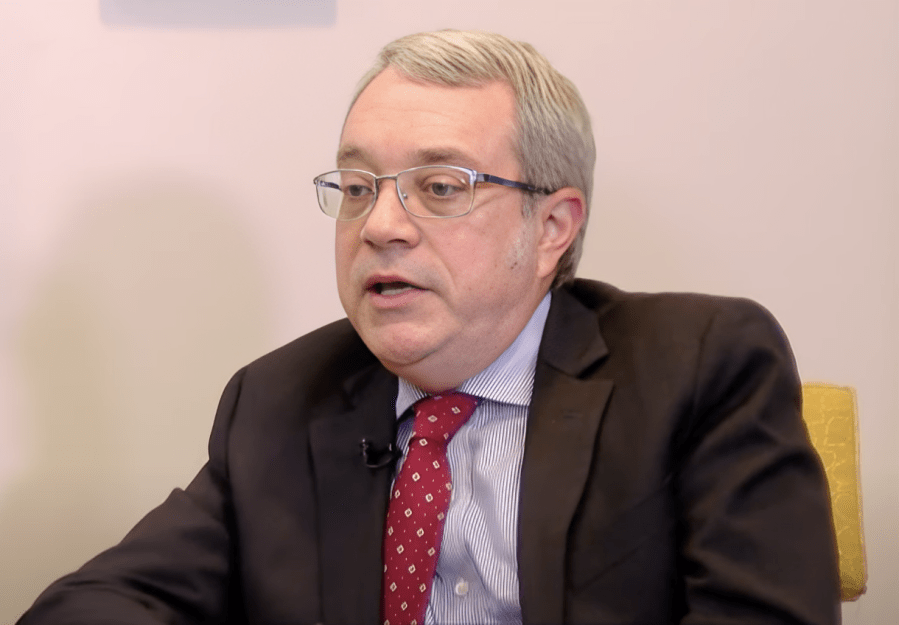
Speaking at the launch of the World Bank’s Tenth Ghana Economic Update in Accra, World Bank Division Director for Ghana, Liberia and Sierra Leone, Robert R. Taliercio, acknowledged the progress made in improving Ghana’s fiscal position but cautioned against relying heavily on expenditure compression.
According to him, the current approach could create serious challenges if it continues for an extended period.
Capital Spending Takes a Major Hit
The World Bank’s assessment highlights the extent to which government has relied on spending restraint to improve the fiscal position.
Capital expenditure, which covers investments in infrastructure and other development projects, ended 38% below the amount approved in the budget.
While the reduction in spending can provide immediate relief to government finances, the World Bank believes the strategy carries significant long-term risks.
Taliercio said the fiscal surplus was achieved largely through expenditure compression, stressing that the sharp reduction in capital spending was not sustainable.
The warning is particularly significant because capital expenditure is closely linked to the country’s ability to expand productive capacity, improve infrastructure and create an environment for businesses to grow.
Roads, energy projects, water systems, schools, hospitals and other public infrastructure require consistent investment. Cutting these expenditures too deeply could therefore affect economic activity beyond the immediate budget period.
Fiscal Gains Face Sustainability Test
Ghana has been working to restore macroeconomic stability following years of fiscal pressures, rising debt and economic disruptions.
The improvement in the fiscal position represents an important step in those efforts. However, the World Bank is now highlighting a major challenge facing policymakers: how to maintain fiscal discipline without weakening the foundation for future growth.
A fiscal surplus achieved through expenditure cuts can look impressive on paper, but the quality and composition of those cuts matter.
If reductions primarily affect development spending, the country could find itself with stronger short-term fiscal numbers but weaker infrastructure and productive capacity in the years ahead.
This could eventually undermine growth, employment creation and private sector competitiveness.
World Bank Calls for a New Approach
The World Bank is therefore calling for reforms that can help Ghana preserve fiscal discipline while protecting priority investments and essential public services.
The institution believes stronger domestic revenue mobilisation will be critical to achieving this objective.
Rather than relying heavily on spending cuts, Ghana needs to broaden its revenue base, improve tax collection and strengthen public financial management.
Greater efficiency in government spending will also be essential.
Improved expenditure management could help ensure that available resources are directed toward projects and programmes with the greatest economic and social impact.
Such reforms could create additional fiscal space without forcing government to continually sacrifice capital expenditure.
Infrastructure Investment at Risk
The concern over capital spending comes at a time when Ghana faces substantial infrastructure needs.
The country requires investment to improve transportation networks, energy supply, water systems, digital infrastructure and other critical sectors.
Infrastructure development can also stimulate economic activity by lowering the cost of doing business and improving productivity.
For businesses, reliable electricity, efficient transport networks and modern infrastructure can make the difference between expansion and stagnation.
A prolonged reduction in capital expenditure could therefore have consequences far beyond government accounts.
It could affect businesses, workers and communities if infrastructure projects are delayed or cancelled.
Balancing Discipline With Growth
The World Bank’s warning places the government before a difficult balancing act.
On one side is the need to maintain fiscal discipline, reduce debt vulnerabilities and protect the credibility of Ghana’s economic recovery.
On the other is the need to invest in infrastructure and public services that can generate stronger and more inclusive growth.
The challenge will be finding a sustainable middle ground.
Ghana cannot afford a return to uncontrolled expenditure, but neither can it indefinitely depend on cuts to development spending to achieve fiscal targets.
The solution, according to the World Bank’s assessment, must involve stronger revenue mobilisation and better expenditure management.
Ghana’s Economic Recovery Under Spotlight
The Tenth Ghana Economic Update provides a broader assessment of the country’s economic performance and the reforms required to sustain the recovery.
The latest warning adds an important dimension to the fiscal debate.
While Ghana’s improved fiscal position offers reasons for optimism, the World Bank is cautioning that the path used to achieve those gains could become a problem if maintained for too long.
The 38% shortfall in capital expenditure has consequently emerged as a major warning sign.
For Ghana, the next phase of fiscal consolidation will require more than simply cutting spending.
The country must protect critical investments, strengthen domestic revenue mobilisation and ensure that public resources are used efficiently.
The ultimate test will be whether Ghana can maintain fiscal discipline while continuing to build the infrastructure, productivity and competitiveness needed to support sustainable economic growth.
READ ALSO: PFAG Demands Emergency Relief for Rice Farmers Hit by Market Crisis and Post-Harvest Losses