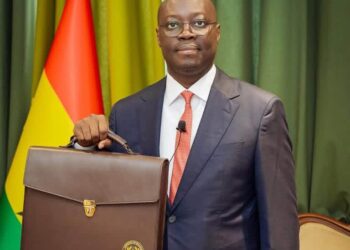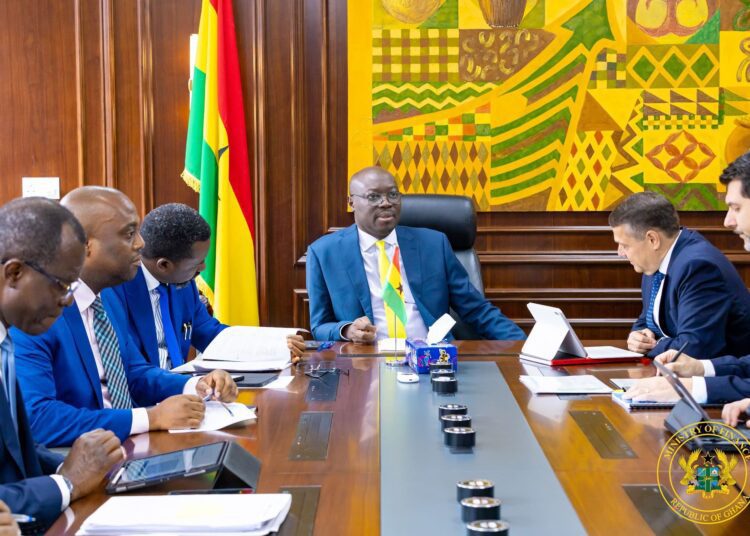
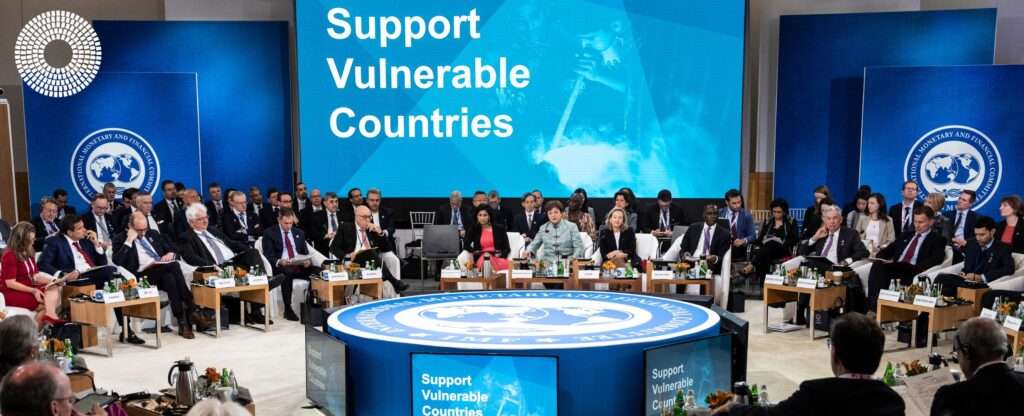
Ghana is taking its economic recovery campaign to the global financial stage, with Finance Minister Dr Cassiel Ato Forson leading a high-level delegation to the 2026 Annual Meetings of the International Monetary Fund (IMF) and World Bank Group in Bangkok, Thailand, as the government seeks to attract fresh investment, consolidate fiscal gains and strengthen confidence in the country’s economic direction.
The meetings, scheduled for today October 12 to 18, present a critical opportunity for Ghana to convince international investors and development partners that its recent economic progress can be sustained beyond the immediate recovery period.
With discussions expected to cover investment, fiscal stability, sovereign debt and the future of global economic cooperation, Ghana’s participation comes at a time when the government is preparing to unveil its next economic programme in the 2027 Budget in November.
The meeting is significant. Ghana must demonstrate that its improving economic position can translate into durable growth, stronger private sector activity and increased investment capable of supporting jobs and national development.
Ato Forson Leads Ghana’s Global Investment Campaign
Dr Forson is leading the delegation alongside Bank of Ghana Governor Dr Johnson Asiama and senior officials from the Ministry of Finance and the central bank.
Their engagements are expected to include bilateral discussions with senior IMF and World Bank officials, investor briefings, ministerial meetings, a sovereign debt roundtable and consultations with private sector representatives.
These discussions could provide Ghana with an important platform to communicate its economic priorities directly to institutions and investors whose decisions influence development financing, investment flows and international perceptions of the country.
The government is expected to highlight recent economic gains, its commitment to fiscal discipline and its determination to strengthen partnerships with multilateral institutions.
However, attracting investment will require more than presenting improved economic indicators. Investors will also be looking for evidence that Ghana can maintain policy consistency, manage public finances responsibly and create conditions that encourage businesses to commit capital over the long term.
The Bangkok meetings therefore offer an opportunity for the delegation to connect Ghana’s economic recovery with a compelling case for new investment.
IMF Programme Shift Puts Fiscal Credibility in Focus
Ghana’s engagement with the IMF is entering a new phase following the completion of the final review of its Extended Credit Facility arrangement in July 2026.
The country is now moving towards a proposed 36-month Policy Coordination Instrument (PCI), a non-financing programme designed to support economic policy coordination and sustain reforms.
Unlike a financing arrangement, the PCI does not provide direct financial assistance. Its importance lies in the policy framework it offers and the confidence it can help build among development partners and investors regarding a country’s commitment to maintaining sound economic management.
The government believes the programme can help preserve the gains achieved through its ongoing reforms while providing a framework for sustaining fiscal stability.
The annual meetings will give Ghana an opportunity to discuss the programme’s implementation, fine-tune its priorities and agree on the key issues that will guide its execution.
Dr Asiama recently indicated that Ghana would use the meetings to fine-tune the PCI and agree on key issues guiding its implementation.
The outcome of these engagements could shape how international partners assess Ghana’s commitment to maintaining fiscal discipline after completing its existing IMF-supported programme.
Investment Hopes Meet Global Economic Uncertainty
Ghana’s investment drive comes against a challenging international backdrop, with concerns mounting over high debt levels, rising energy costs and the uneven distribution of benefits from the artificial intelligence boom.
In a curtain-raiser speech delivered in Singapore on October 7, IMF Managing Director Kristalina Georgieva warned that these pressures posed risks to the global economy and called for decisive policy action.
World Bank President Ajay Banga also told Reuters that, although global growth had proved more resilient than feared following disruptions to oil supplies through the Strait of Hormuz, pressures were building from rising diesel and fertiliser prices and the prospect of severe El Niño conditions.
These developments could complicate the economic outlook for developing countries, particularly those that remain vulnerable to external price shocks, financing constraints and changes in global investment sentiment.
Ghana’s delegation will consequently be operating in an environment where competition for investment and development resources remains intense.
The government’s challenge will be to demonstrate that the country offers credible economic prospects while addressing the vulnerabilities that could threaten its recovery.
Ghana Seeks Stronger Voice in Global Financial Reforms
Beyond securing investor interest and strengthening relations with the IMF and World Bank, Ghana intends to use the meetings to advance discussions on reforming the global financial architecture.
Dr Asiama has indicated that Ghana will work with its African partners to push for changes that better respond to the needs of emerging and developing economies.
Such discussions are important for countries seeking more responsive international financing arrangements, improved access to development capital and greater consideration of the challenges facing vulnerable economies.
Ghana’s participation will extend beyond government officials, with civil society representatives, independent economists and business leaders expected to attend. Some Members of Parliament are also expected to participate, according to Joy Business.
Their presence provides a broader platform for Ghanaian perspectives on debt sustainability, economic reforms, investment and international financial cooperation.
November Budget Raises the Stakes
The timing of the Bangkok meetings is particularly important because the government is preparing to outline its next economic programme in the 2027 Budget.
The engagements could help strengthen international partnerships and provide an opportunity to communicate the policy priorities that will shape the next stage of Ghana’s economic strategy.
Investors will be watching whether the government can sustain fiscal discipline while creating room for productive investment, employment generation and private sector expansion.
Ultimately, Ghana’s success will depend on its ability to turn international engagements into practical economic opportunities.
The meetings offer access to influential financial institutions and investors, but lasting gains will require consistent reforms, credible implementation and an economic environment that encourages businesses to invest.
As Dr Forson and his delegation engage global financial leaders in Bangkok, Ghana is seeking more than international recognition. It is pursuing the partnerships and investor confidence needed to protect its economic gains and finance the next phase of its recovery.
Whether the engagements deliver that ambition will depend on how effectively the government translates its commitments into measurable results.
READ ALSO: Government Must Expect More Industrial Action in 2027— Musah-Khaleepha