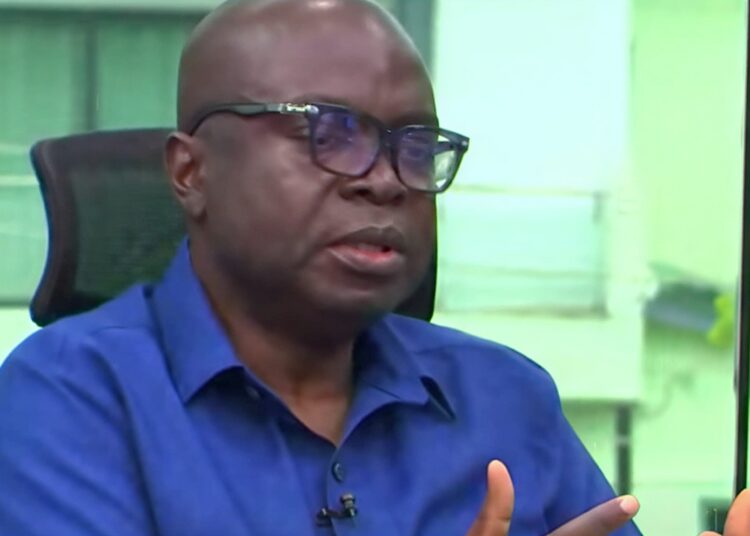
Member of Parliament for Manso Nkwanta, Honourable Tweneboa Kodua Fokuo has called for an ad hoc parliamentary committee to investigate the reported US$1.7 billion loss associated with the Bank of Ghana’s Domestic Gold Purchase Programme. He argued that Parliament must examine the relationship between the central bank and the Ghana Gold Board to establish how fees, discounts, revaluation and other operational risks contributed to the reported figure.
The Manso Nkwanta MP explained that the absence of a direct reference to GoldBod in the IMF report did not, in his view, settle questions surrounding the operations that generated the losses. According to him, several charges attributed to the programme originated from activities connected to the gold purchasing and trading system.
He pointed to assaying fees, ad valorem charges, discounts offered to off takers and gold revaluation as areas requiring parliamentary scrutiny. These items, he argued, relate to the wider gold purchasing structure and therefore deserve examination as part of the investigation.
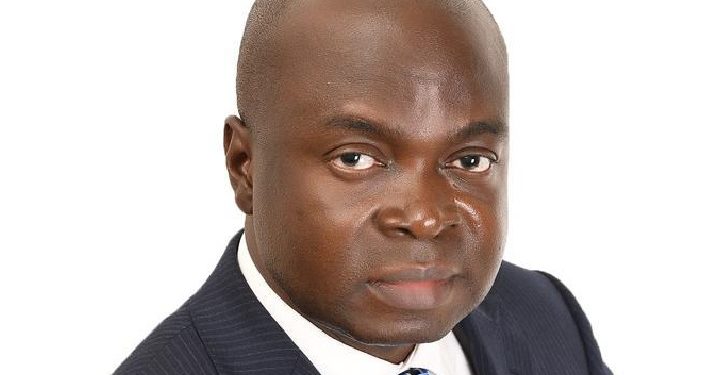
“You don’t need the IMF to put things in black and white before one understands that such losses are all related or linked to Gold Board.”
Honourable Tweneboa Kodua Fokuo
Honourable Fokuo further explained that the Bank of Ghana’s primary responsibility in the arrangement should be the management of the country’s gold reserves. From his perspective, the central bank should indicate the quantity of gold required for its reserves and obtain it through the designated institution.
The proposed investigation, therefore, would seek to determine how responsibilities were distributed between the two institutions. It would also examine whether the existing arrangement placed financial risks on the central bank that originated from commercial activities elsewhere in the gold value chain.
Analysing the reported losses, the legislator questioned the risk management mechanisms applied to fluctuations in gold prices and foreign exchange rates. He argued that commodity traders generally employ measures to manage such exposures and suggested that similar safeguards should be assessed within the domestic gold purchasing framework.
The lawmaker also called for scrutiny of the charges imposed within the system, including the process through which fees were determined and approved. He proposed that Parliament examine whether the amounts were properly benchmarked and whether appropriate authorities approved them.
Attention should extend beyond financial records to the physical movement of gold from extraction through aggregation and eventual transfer to the central bank or off takers. Such an examination, he indicated, would provide Parliament with an opportunity to assess traceability, governance and accountability throughout the value chain.
Parliament Urged To Set Clear Limits On Gold Programme Losses
Honourable Fokuo also proposed that any government policy designed to absorb financial losses through the gold purchasing system should have clearly defined limits approved through Parliament. He argued that a policy involving public funds requires an identifiable financial ceiling and transparent arrangements for covering operational costs.
The Manso Nkwanta MP explained that if losses were an anticipated consequence of the policy, the institutions responsible should disclose the basis for accepting them. In his view, Parliament should know the expected cost and approve the arrangement through the appropriate budgetary process.
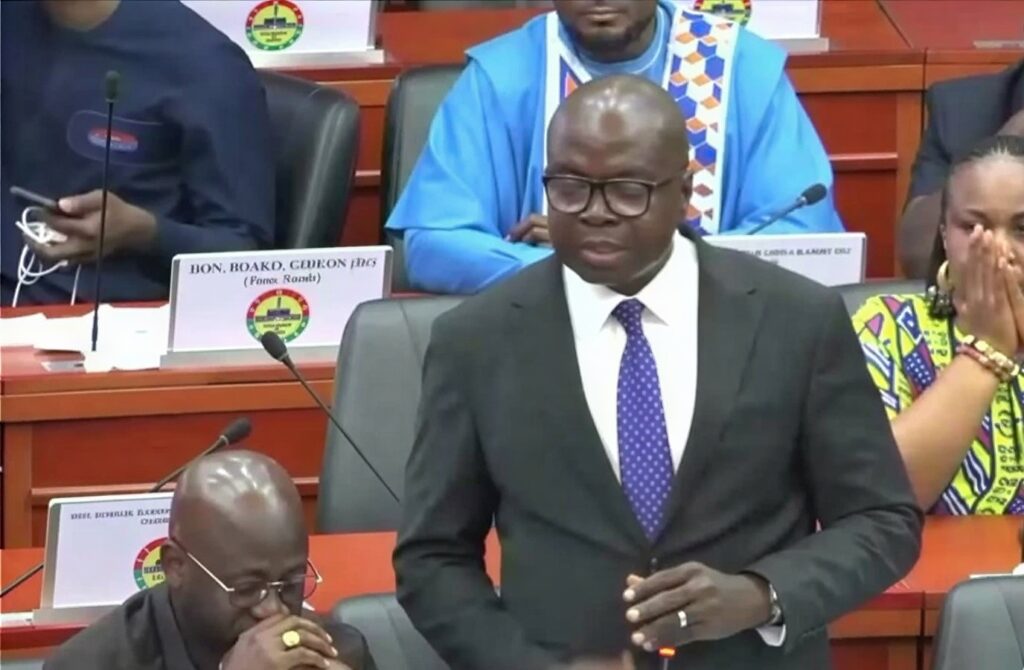
“You can’t have a blank check. There shouldn’t be a blank check just to be making losses and dumping it on Bank of Ghana.”
Honourable Tweneboa Kodua Fokuo
The proposal introduces a separate question from the reported US$1.7 billion figure by focusing on how future financial exposure should be governed. According to the legislator, establishing a predetermined limit would enable Parliament to monitor expenditure and assess whether the programme remains within its approved mandate.
Furthermore, the lawmaker called for greater examination of the gold purchasing process at the point of aggregation. He noted that checks on the origin of gold, its valuation and the procedures used before it enters the formal system are important parts of effective governance.
Referencing the wider gold value chain, Honourable Fokuo argued that accountability should begin from the extraction stage and continue through aggregation, valuation, transportation and eventual transfer. Such scrutiny, he indicated, would help identify where financial and operational risks arise before they reach the central bank.
The discussion also raised questions about the relationship between policy objectives and financial outcomes. From his perspective, a decision to pursue a national gold purchasing strategy should come with clearly established responsibilities for the Ministry of Finance, GoldBod and the Bank of Ghana.
He further suggested that Parliament should determine whether the various fees and discounts within the system are commercially justified. This would include examining the basis for assaying charges, the pricing of gold at the point of purchase and the terms offered to off takers.
On governance, the MP called for scrutiny of the controls surrounding gold aggregation and traceability. He indicated that Parliament’s examination should establish whether each stage of the process operates with sufficient checks to protect public resources.
The proposed committee would therefore have a wider mandate than simply assigning responsibility for the reported loss. It would also provide an avenue to examine the design of the programme, the management of financial risks and the safeguards available to prevent uncontrolled exposure.
Honourable Fokuo also urged policymakers to distinguish between deliberate policy costs and losses arising from weak risk management. He argued that where government intentionally accepts a financial cost to achieve an economic objective, that cost should be openly identified, quantified and subjected to parliamentary approval.
READ ALSO: Africa’s Energy Costs Threaten Industrial Competitiveness -ACEP