
The Big Push Electrification Project is set to expand access to electricity across the Volta Region, with more than 200 communities expected to be connected to Ghana’s national electricity grid within six months under the first phase of the initiative.
According to Eric Edem Agbana, Member of Parliament for Ketu North, the project is a special initiative of President John Dramani Mahama aimed at ensuring that more communities, particularly those yet to benefit from grid infrastructure, gain access to electricity.
“This is a special initiative by President Mahama to ensure that many more communities are connected to the national grid.”
Eric Edem Agbana, MP for Ketu North
Accelerating Electricity Access Across Volta
The first phase is expected to focus on more than 200 communities across the Volta Region, representing a significant push to close existing electricity-access gaps within the region.
The planned six-month implementation period places emphasis not only on expanding physical grid connections but also on the speed at which underserved communities can be integrated into the national power system.

For communities that have remained outside the national grid, such infrastructure can have wider economic implications, including improved operating conditions for small businesses, greater opportunities for agro-processing and better access to essential public services.
Agbana said the project had attracted his attention throughout its design phase and expressed confidence in the Minister for Energy and Green Transition, Dr John Abdulai Jinapor, to oversee its implementation.
“Having taken a keen interest in this project throughout the design phase, I can only commend the Minister for this great initiative.”
Eric Edem Agbana, MP for Ketu North
The emphasis on implementation is particularly important because expanding electricity access requires more than announcing new connections.
The effectiveness of the project will ultimately depend on whether the planned infrastructure is delivered within the stated timeframe, whether the connected communities receive reliable supply and whether the new connections translate into productive economic activity.
Energy Access As A Development Tool
The project also highlights the broader relationship between electricity infrastructure and regional development.
Reliable power is a critical input for households, businesses, schools, healthcare facilities and local industries, meaning increased grid coverage can support economic activity beyond the immediate provision of electricity.

For rural and underserved communities, grid access can reduce dependence on alternative and often more expensive energy sources while creating the conditions for businesses to extend operating hours and invest in electricity-dependent equipment.
Agbana described Jinapor as a technically capable minister and linked effective implementation of the project to the possibility of achieving universal community-level electricity access over the coming years.
“John Jinapor is a detailed and technically sound expert, and if we follow through with the implementation plan, I am confident that, under his watch, every community will have access to reliable power in the next couple of years.”
Eric Edem Agbana, MP for Ketu North
The statement, however, places the focus squarely on execution.
Connecting more than 200 communities within six months would require effective coordination among the Energy Ministry, electricity-sector institutions, contractors and local authorities.
It would also require adequate financing, procurement discipline and timely completion of transmission and distribution infrastructure.
The longer-term objective of connecting every community also raises a separate question of reliability.
Expanding the geographical reach of the grid will have limited developmental value if newly connected communities continue to experience frequent outages or inadequate supply.
The success of the Big Push therefore needs to be assessed not only by the number of communities connected, but also by the quality and reliability of electricity delivered after connection.
Ketu North Communities Await Inclusion
For Ketu North, the project carries a direct constituency-level interest.
Agbana indicated that communities within the constituency are expected to benefit from the first phase, although the specific communities have not yet been publicly identified in his statement.
He said he would disclose the beneficiary communities at the next Accountability Series, providing residents with greater clarity on the scope of the intervention within the constituency.
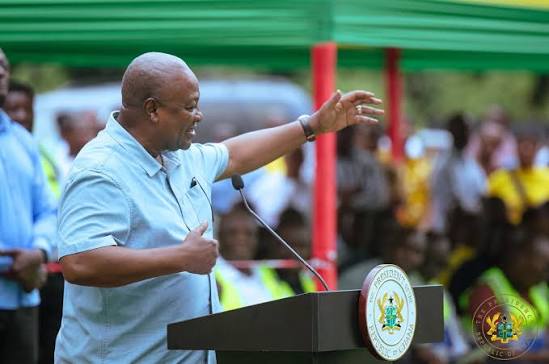
“At our next Accountability Series, I will mention the communities in my beloved Ketu North Constituency that will benefit from this first phase.”
Eric Edem Agbana, MP for Ketu North
The planned disclosure could also provide an important accountability mechanism by allowing residents to track whether the communities identified for connection are subsequently served within the stated implementation period.
More broadly, the Big Push Electrification Project represents an attempt to treat electricity access as infrastructure for economic transformation rather than simply a social service.
If implemented effectively, the expansion across the Volta Region could strengthen the foundations for local enterprise, public-service delivery and rural economic development.
The immediate test, however, will be whether the first six months produce the promised connections and whether those connections deliver reliable electricity.
For the communities awaiting access, the value of the initiative will ultimately be measured not by the scale of the announcement, but by the power that reaches their homes, businesses and institutions.
READ ALSO: CSIR Commissions New Screen House to Boost Quality Okra Seed Production