

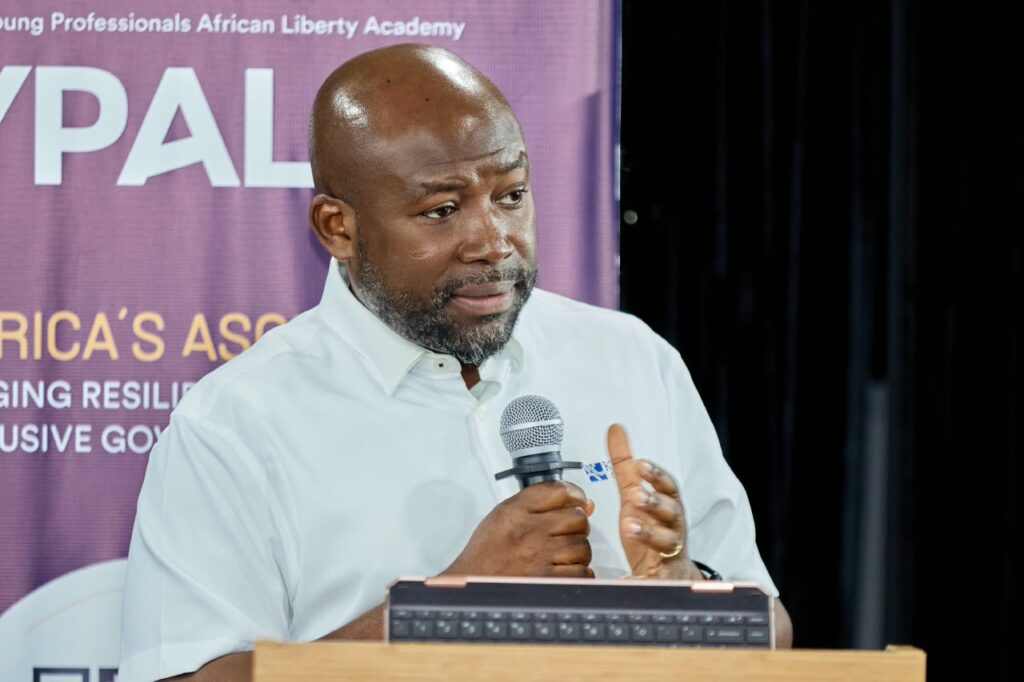
Economic policy analyst Senyo K. Hosi has called for greater attention to how public policy shapes economic productivity, job creation and the prospects of Africa’s growing youth population, arguing that the continent’s employment crisis is fundamentally a production problem rather than a simple shortage of jobs.
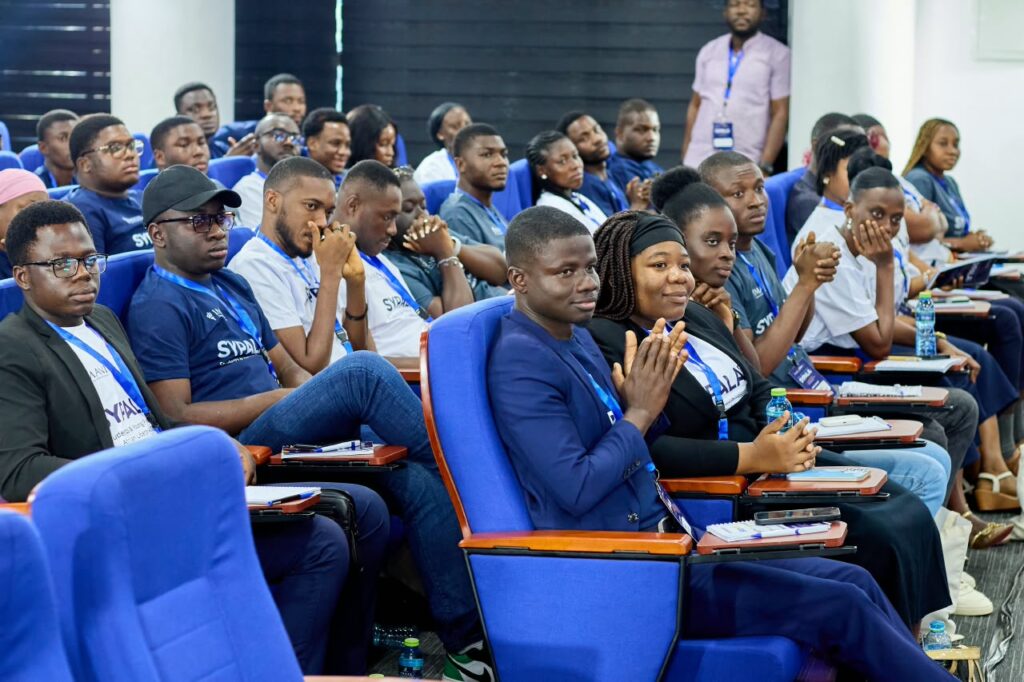
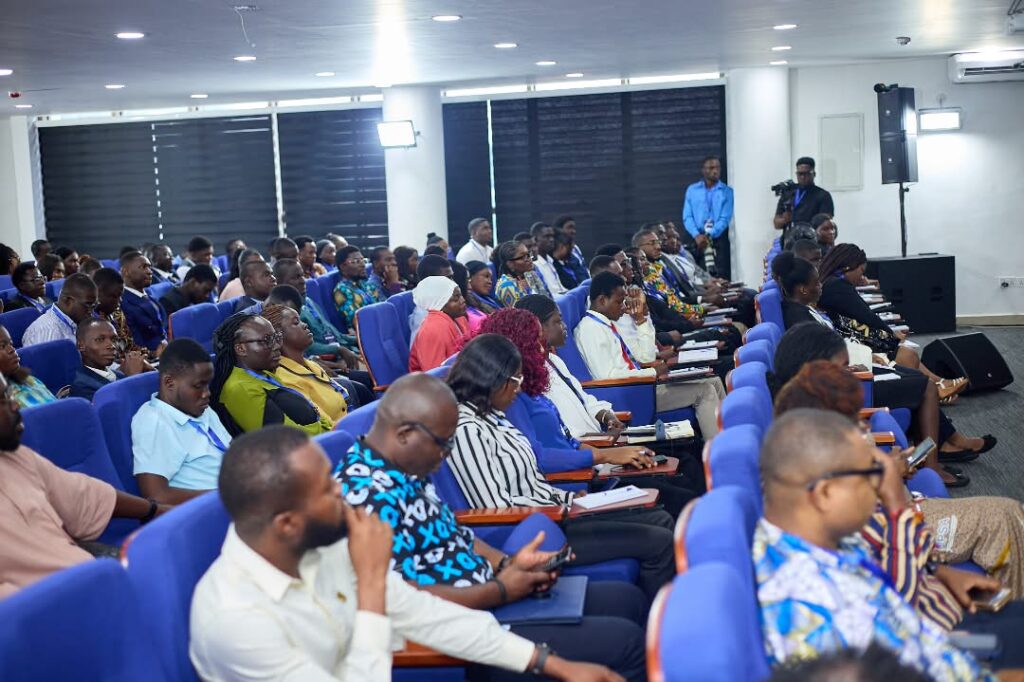
Mr Hosi, Convener of the One Ghana Movement, spoke at the Students and Young Professionals African Liberty Academy (SYPALA) 2026 on Thursday, August 27, organised by the IMANI Center for Policy and Education in partnership with the University of Professional Studies, Accra.
He led a session titled “Beyond Politics: How Businesses and Public Policy Can Drive Africa’s Transformation,” closing out the four-day event held under the theme “Africa’s Ascent: Forging Resilient Economies and Inclusive Governance.”
Mr Hosi framed Africa’s labour market challenge as one of quality rather than quantity. He said the relevant question is not simply whether young people hold jobs, but whether those jobs are productive, secure and capable of lifting incomes over time.
“In other words, Africa’s challenge is not only on employment. It is informality, and by employment, low productivity. It is weak job quality. Too few firms can’t absorb young talent and skill.”
Economic policy analyst Senyo K. Hosi
Too Few Firms Producing at Scale
Senyo Hosi traced the region’s employment weakness back to its production base, arguing that Africa has too few firms operating at genuine scale, too little industry generating real value, and too few businesses connected to functioning capital markets.
He pointed out the mismatch between entrepreneurial rhetoric and actual enterprise capacity. “We have too few firms producing at scale,” he said. “Everybody is a billionaire. Everybody is an entrepreneur.”
He identified a shortage of patient capital and structural barriers preventing small enterprises from growing into significant employers as central constraints on job creation and broader economic transformation across the continent.
Youth Employment as a Matter of National Security
Mr Hosi rejected the treatment of youth employment as a peripheral policy concern, arguing it carries direct implications for macroeconomic stability, social cohesion, democratic legitimacy and national security.
“We must stop treating youth employment as a side issue. You must stop thinking of it as a normal issue. It is central and must be central to our macroeconomic stability, our social cohesion, our democratic legitimacy, and national security.”
Economic policy analyst Senyo K. Hosi
He warned that Africa’s demographic profile leaves no room for economic models that generate growth without corresponding employment. “A young continent cannot afford economies that grow without jobs,” he said, extending his critique to policy design more broadly.
“We can’t afford budgets that favour consumption over productivity or policies that reward political access more than enterprise and innovation,” Mr Hosi stressed.
Business as a Public Good
Senyo Hosi argued that meeting the scale of the challenge requires businesses to be treated as central actors in Africa’s economic transformation rather than incidental participants in it. He framed productive enterprise as serving a genuine public function.
“At its best, business is a public good. Every productive enterprise solves a problem for society. It takes risks, organises talent, transforms inputs, serves customers, pays taxes, creates employment, and builds capabilities.”
Economic policy analyst Senyo K. Hosi
He called on African businesses to raise their ambitions rather than settle for survival in difficult operating environments, describing the shift required in stark terms.
“For transformation, firms must move from survival to scale. From trading to production, from import dependence to value addition, and from isolated markets to continental competitiveness.”
Economic policy analyst Senyo K. Hosi
Policy as the Missing Foundation
Mr Hosi stressed that businesses cannot deliver this transformation without a supportive policy environment to operate within. “Businesses cannot scale in a vacuum,” he said. “It needs a policy environment that makes productivity possible.”
He argued that in too many African countries, the underlying policy architecture remains unstable, with rules changing frequently, weak implementation, slow regulatory processes, inefficient public spending and institutions vulnerable to political interference.
He said this combination routinely undermines otherwise sound ideas before they can produce results. “The result is that even good ideas struggle to become good outcomes,” he said.
READ ALSO: FNB Ghana Unveils Game-Changing Investment Gift Cards