The Ghana Health Service, working alongside all One Health stakeholders, has completed a two-day Intra-Action Review of the country’s response to the ongoing Mpox outbreak, marking roughly a year since a series of confirmed cases first triggered a coordinated national health response.
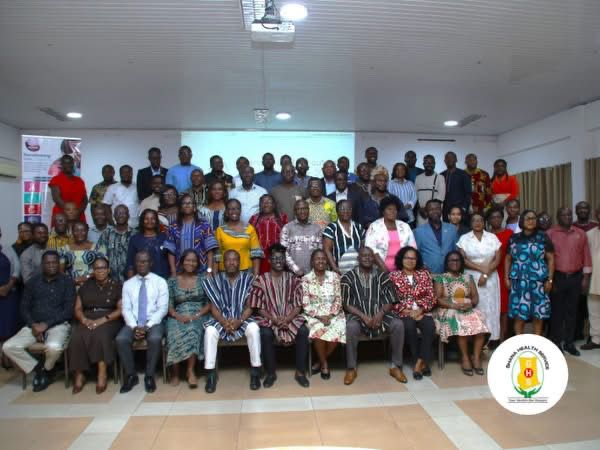
The review brought together representatives from animal health, environmental and security agencies, alongside regional and district-level health staff, senior management of the Ghana Health Service, and international development partners, all convened to assess the effectiveness of the national response and determine what further measures are needed to bring the outbreak to a definitive close.
The current outbreak traces back to 9 May 2025, following the confirmation of a case in the Accra Metropolitan Area of the Greater Accra Region. As of 31 July 2026, the country had recorded 5,280 suspected cases nationwide, of which 1,085 were laboratory-confirmed. Of these confirmed cases, 1,074 individuals have fully recovered, while eight deaths have been recorded.
All sixteen regions of the country and 128 of Ghana’s 261 districts have reported confirmed cases since the outbreak began. However, active transmission has slowed considerably in recent months, with the most recent confirmed cases limited to just three districts across two regions.
Review Described as Learning Exercise, Not A Performance Audit
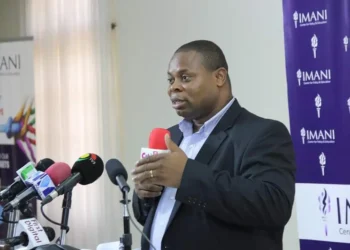
Dr Kwame Amponsa-Achiano, Deputy Director, Disease Control Department, stressed that the review was not intended as a performance evaluation of any single institution or individual, but rather a structured, participatory process designed to help all relevant agencies take stock of their respective contributions to the Mpox response and identify ways to strengthen it further.
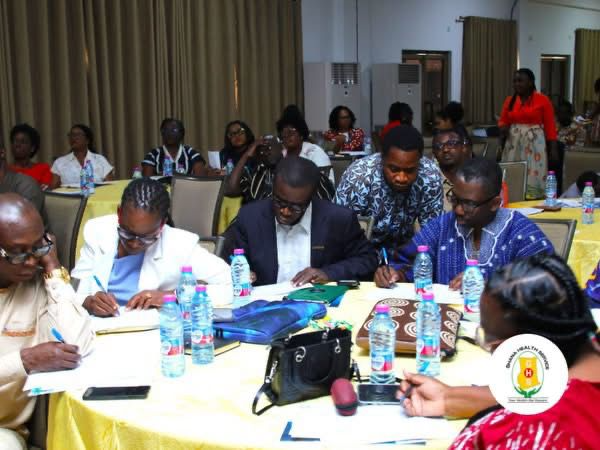
Participants were encouraged to speak candidly throughout the sessions, with officials noting that the overall value of the exercise depended heavily on the honesty of the deliberations.
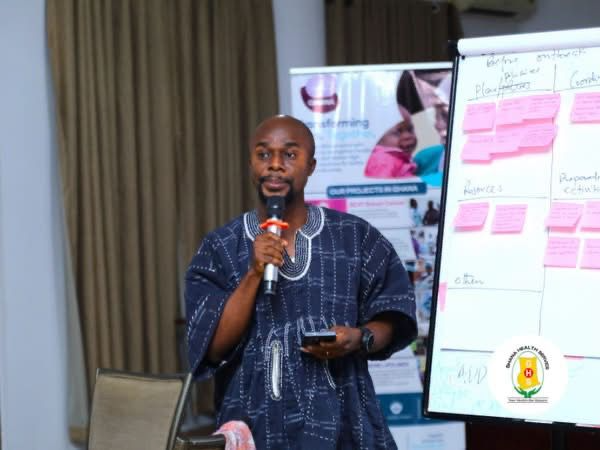
Over the course of the two days, participants worked across five technical groups covering surveillance and vaccination, case management and infection prevention and control, laboratory services, risk communication and community engagement, and coordination, including logistics.
Findings emerging from these group sessions are expected to feed into a subsequent action-planning session, informing a roadmap of priority actions while also contributing to the Service’s institutional memory for managing future public health emergencies.
International Partners Commend Ghana’s Response
Ghana’s international development partners used the occasion to commend the Ghana Health Service for its handling of the outbreak. The US CDC praised the Service for undertaking the review and reaffirmed its commitment to supporting the documentation and dissemination of lessons learned from the process.
The World Health Organization noted that the review offered an opportunity for collective reflection on what systems had been in place, what had worked well, and what had fallen short, while reaffirming its continued partnership with the Ghana Health Service going forward.
JHPIEGO similarly commended the Ghana Health Service and other One Health stakeholders across the country for their dedication throughout the detection and containment phases of the outbreak.
In a technical presentation delivered during the review, Dr Amponsa-Achiano reported that as of 31 July 2026, all sixteen regions of the country had recorded Mpox cases, with a cumulative total of 1,084 confirmed cases, of which 1,074 had recovered and eight had died. He noted that the total number of suspected cases across the country stood at 5,280.
“We have seen a significant reduction in case numbers since the first quarter of 2026, with active transmission now confined to just three districts across two regions.”
Dr Kwame Amponsa-Achiano, Deputy Director, Disease Control Department,
He further stressed that sustaining this downward trend would require continued coordination across surveillance, case management and community engagement efforts, adding,
“our task now is to consolidate these gains and ensure the remaining pockets of transmission are brought fully under control.”
Dr Kwame Amponsa-Achiano,
Legal Basis and Broader Context
The Intra-Action Review was convened in line with the requirements of the International Health Regulations of 2005, which call for such structured reviews to be undertaken during protracted disease outbreaks.
Ghana has now experienced two distinct Mpox outbreaks, the first spanning 2023 to 2024, and the current outbreak, which began in May 2025.
The stated objective of the review was to assess how existing public health capacities were applied in preparing for, preventing, detecting and responding to the outbreak, to document best practices as well as challenges encountered along the way, to capture the direct experiences of response staff, and to identify concrete actions needed to strengthen national capacity and consolidate lessons learned as Ghana works toward bringing the outbreak to a conclusive end.
READ MORE: Education Ministry to Meet Teacher Unions Over Strike Threat