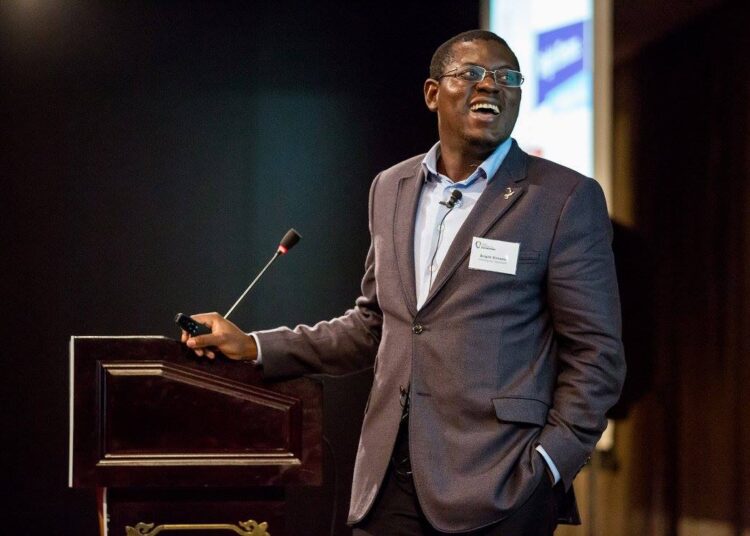
Bright Simons, renowned policy analyst and Vice President of IMANI Africa, has issued a stern warning that the persistent narrative celebrating Africa’s natural resource abundance acts as a superficial badge of honor that eclipses genuine economic and human achievements across the continent.
Speaking at an event convened by the Africa School of Governance in Kigali, Simons launched a direct assault on the ubiquitous claim that “Africa has 30% of the world’s minerals,” describing it as a crooked and perniciously problematic statistic that does more harm than good.
He noted that while natural resource abundance is routinely touted by various global and domestic actors to command attention, relying on geological flukes for acclaim lowers the bar for African success and distracts from the earned, structural progress needed to drive long-term economic development.
“Being acclaimed for having loads of natural resources is not the same as being acclaimed for something you actually ‘earned.’ Like acclaiming China’s fast growth in robotics. It sounds like a consolation prize: you don’t have anything excellent for me to praise, so congrats on your magical rocks and extraordinary soil!”
Bright Simons, renowned policy analyst and Vice President of IMANI Africa

Bright Simons emphasized that being acclaimed for what nature happened to deposit underground is inherently distinct from earning recognition through human ingenuity, industrial policy, or technological advancement. He drawn a contrast with global powerhouses like China, whose international acclaim stems from tangible achievements in sectors like robotics and modern manufacturing.
By contrast, treating geological deposits as a primary source of pride functions as a patronizing consolation prize—praising “magical rocks and extraordinary soil” precisely because external observers and local leaders fail to recognize or foster substantive excellence.
Consequently, this reflexively repeated mineral rhetoric reinforces a subtle yet destructive stereotype: that the only valuable contribution Africa can make to the global economy is whatever raw material was buried in its terrain.
The Peril of Zombie Statistics and Misleading Tropes
The persistence of the “30% of global minerals” figure is maintained because it serves convenience over truth. For foreign investors, citing vast natural wealth offers an easy, sensationalist hook to pitch market entry and capture headlines.
African political leaders frequently grab onto the statistic as a quick, effortless way to assert global relevance without having to demonstrate governance milestones or economic complexity.
Meanwhile, civil society activists rely on the narrative as a foundational premise to argue how external powers continue to exploit the continent. Paradoxically, critics and afro-pessimists embrace the exact same premise; for them, framing Africa as “the richest continent that remains the poorest” provides convenient fodder to allege exceptional misgovernance, laziness, or inherent failure.

This unexamined alignment of interests allows inaccurate framing to dominate international journalism. Global news outlets frequently resort to rattling off random natural resources or labeling entire nations as “mineral-rich” whenever reporting on regional developments.
For instance, during recent political upheaval and military mutinies in Niger, newsrooms routinely prefaced coverage by dubbing the nation “mineral-rich.”
Yet by global comparative standards, Niger’s resource earnings are modest; Colombia earns nearly 20 times more from its mineral sector without ever receiving the “mineral-rich” moniker in global bulletins.
Even in uranium, where Niger holds a visible profile, Kazakhstan produces over 12 times as much, and Australia holds five times more reserves.
Distorting Economic Reality and Policy Priorities
The urge to dismantle these natural resource tropes goes beyond media accuracy; it is essential for real economic transformation. Overestimating mineral dominance breeds a dangerous sense of complacency among decision-makers, leading them to assume that resource wealth alone guarantees economic leverage.
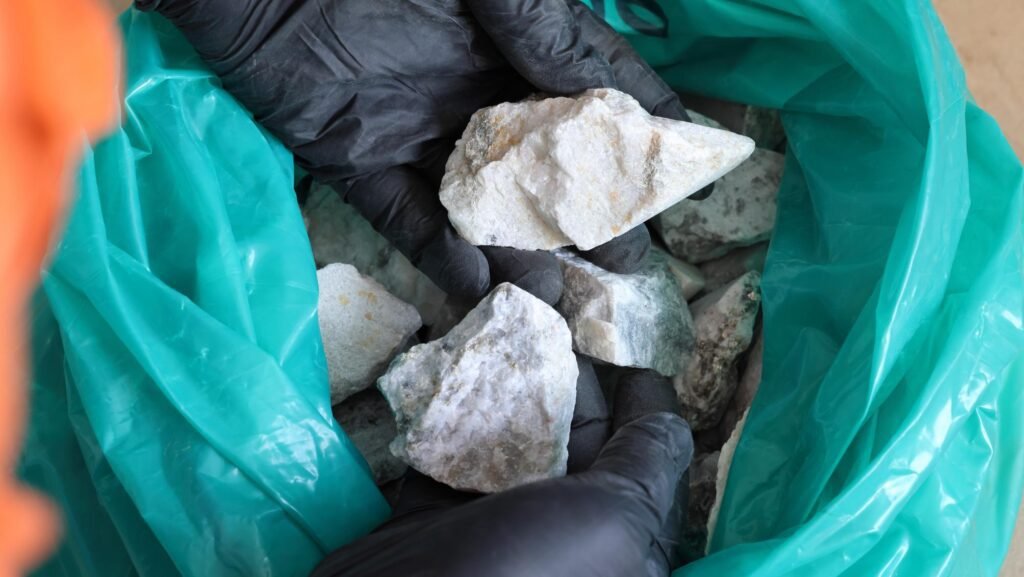
In reality, many African nations lack the specific industrial minerals such as iron ore, metallurgical coal, and heavy industrial inputs required to build local infrastructure, expand processing facilities, and power domestic manufacturing at scale.
Believing the continent is naturally endowed with every necessary input hides structural deficits that can cripple industrial progress once expansion begins.
Moving Beyond Geological Determinism Toward Earned Growth
To build resilient economies, African nations must pivot away from the crutch of geological determinism. True economic strength is built through industrialization, technological integration, sound institutional governance, and the expansion of economic complexity.
Equating raw material deposits with economic wealth ignores the fact that unrefined minerals in the ground hold little value without processing capacity, energy infrastructure, and regional supply chain integration.
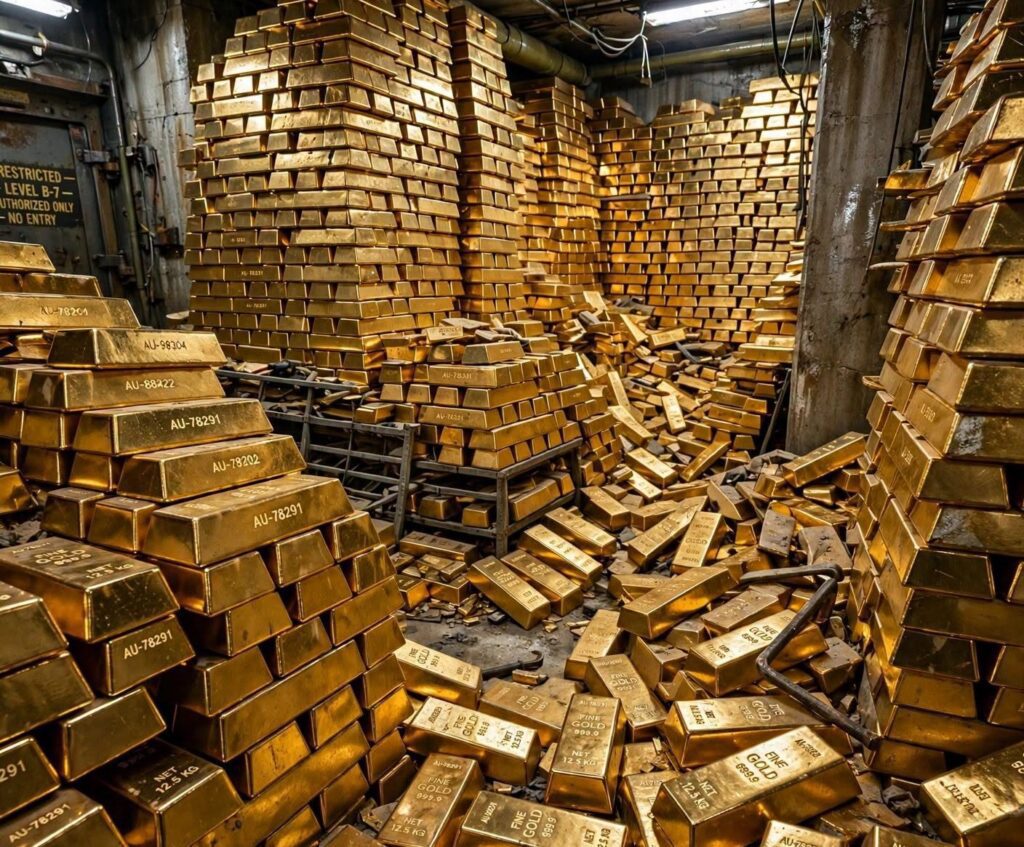
Retiring outdated resource statistics allows the continent to redefine its narrative around earned achievements. Rather than celebrating the passive existence of subsoil assets, economic success should be measured by scientific innovation, industrial output, and the creation of high-value services.
Shifting the focus from what nature provided to what human capital builds enables African economies to break free from external reductionism and establish sustainable, self-determined prosperity.
READ ALSO: Africa’s Push for Interoperability: Ghana Claims the First Position in Mobile Money Regulation