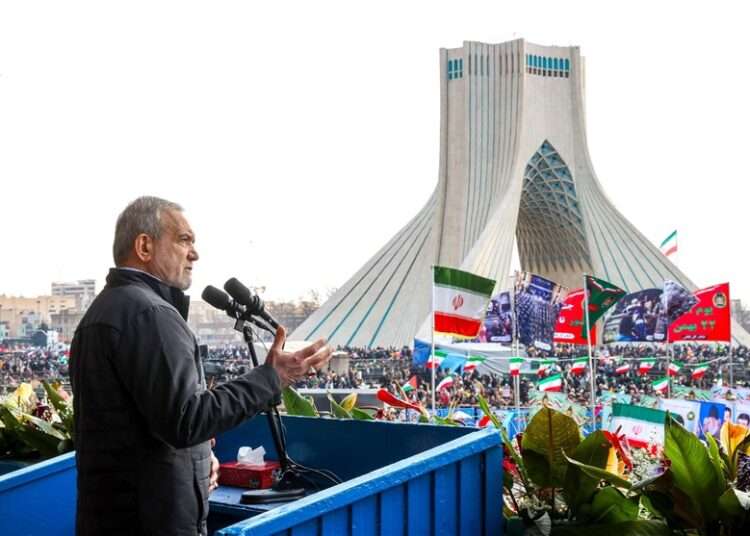
Iranian President, Masoud Pezeshkian has said that Tehran is prepared to return to a ceasefire agreement reached with the United States in June if Washington also resumes its commitments, offering a conciliatory signal after the two countries exchanged fire over the weekend.
Speaking on the sidelines of the Shanghai Cooperation Organization summit in Kyrgyzstan, Pezeshkian said, “If the U.S. returns to its commitments in the memorandum of understanding, the Islamic Republic of Iran will immediately reciprocate.”
The June memorandum of understanding called for an immediate ceasefire and established a 60-day period for negotiations aimed at reaching a broader peace agreement. The arrangement was intended to reduce military tensions while creating conditions for diplomatic discussions between Washington and Tehran.
Under the agreement, Iran had committed to clearing mines from the Strait of Hormuz and allowing commercial vessels to pass through the strategic waterway. The United States, meanwhile, had agreed to end its naval blockade, ease sanctions, issue waivers for Iranian oil exports and begin discussions on a reconstruction package for Iran.
The understanding broke down soon afterward. Although the intensity of fighting subsequently declined, the two countries exchanged fire again over the weekend, marking the first direct military confrontation between them in about a month.
Pezeshkian has repeatedly advocated diplomacy as a means of ending the conflict. His latest comments suggest that Tehran remains open to negotiations, although significant differences remain between the two governments over the terms of any new agreement.
One of the biggest obstacles is likely to be the position of Iran’s Islamic Revolutionary Guard Corps, the country’s most powerful military and security institution. The Revolutionary Guard has reportedly pressed for greater concessions from Washington, including Iranian control over the Strait of Hormuz and financial compensation for damage caused during the conflict.Those demands would likely prove difficult for the United States to accept and could complicate efforts to revive the June agreement.
The comments came as leaders from China, Russia and India gathered in the Kyrgyz capital, Bishkek, for the Shanghai Cooperation Organization summit, a meeting increasingly viewed as a forum for cooperation among countries seeking to reduce their dependence on Western-led institutions.
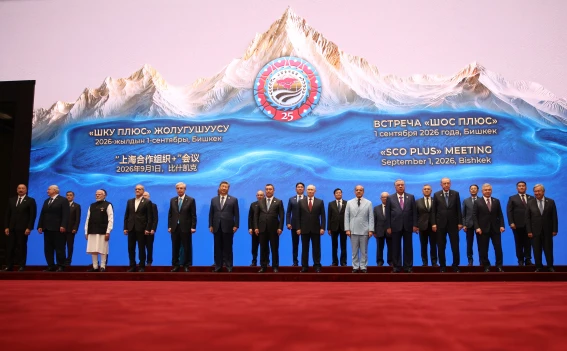
The organization expressed concern over the renewed tensions involving Iran in its summit declaration. Member states condemned military strikes on Iranian territory, saying the attacks had resulted in civilian casualties and significant economic damage. “Such actions violate the principles and norms of international law and the UN Charter and create serious risks to international peace, security and stability,” the organization said.
The statement reflects the broader diplomatic support Iran has received from several major powers, particularly Russia and China, as Tehran faces increasing pressure from Washington.
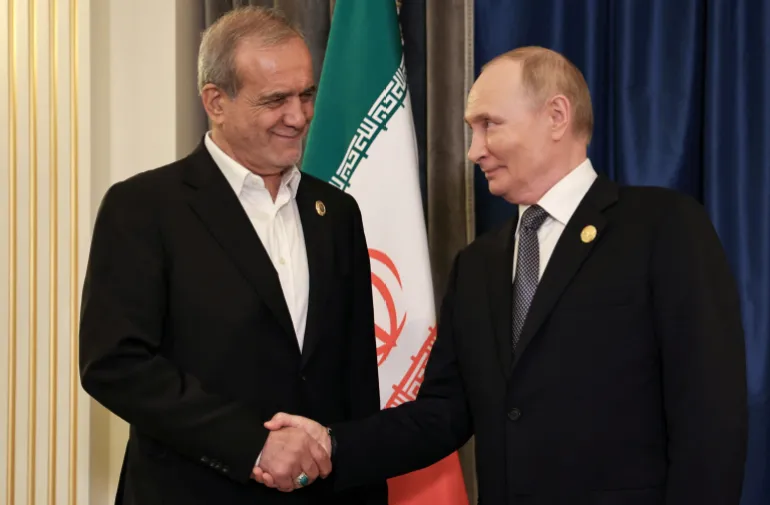
Russian President Vladimir Putin also met Pezeshkian on the sidelines of the summit, reaffirming Moscow’s support for Iran amid its confrontation with the United States and Israel.
Putin told the Iranian President that Russia stood in solidarity with the Iranian people and said the two countries would maintain their economic and trade relationship despite the ongoing military and political tensions. According to a statement from the Iranian presidency, the two leaders reviewed the latest developments in bilateral relations and discussed ways to expand cooperation across various sectors. Images released from the meeting showed Putin and Pezeshkian shaking hands.
Russia’s continued engagement with Iran comes as Washington threatens to impose a new sanctions regime against countries that maintain economic cooperation with Tehran. The proposed measures could affect some of Iran’s most important economic partners, including Russia and China.
The threat of secondary sanctions could therefore become another obstacle to efforts to stabilise the region. While Washington seeks to use economic pressure to restrict Iran’s ability to finance its activities, Moscow and Beijing have maintained economic relationships with Tehran despite existing U.S. sanctions.
For Iran, the Strait of Hormuz remains particularly important. The narrow waterway is one of the world’s most significant energy corridors, carrying a substantial share of global oil and gas shipments. Any prolonged disruption could have consequences for international energy markets and global trade.
Pezeshkian’s latest remarks therefore offer a potential opening for diplomacy at a time when military tensions remain high. However, reviving the June ceasefire would require both Washington and Tehran to restore commitments that have already broken down and overcome disagreements over sanctions, security arrangements and the future status of the Strait of Hormuz.
READ ALSO: GIPA Showcases Ghana’s Investment Potential at Africa Business Investment Summit 2026 In Washington