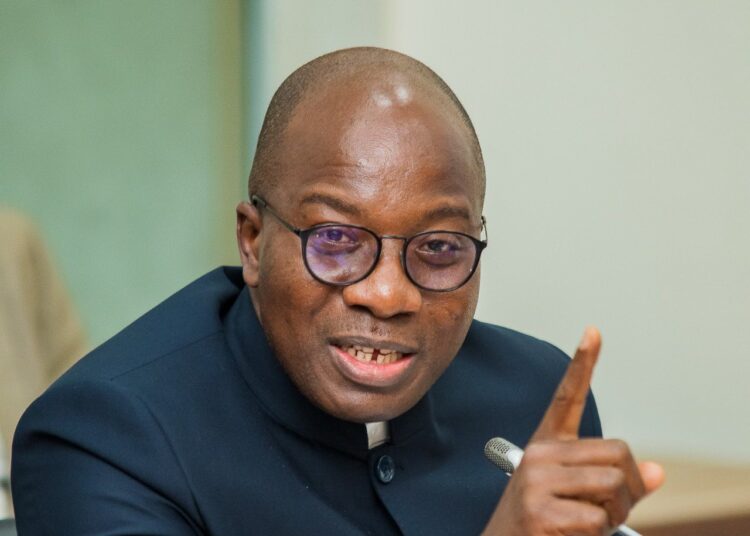
Local Government, Chieftaincy and Religious Affairs Minister Mahama Ayariga has vowed to enforce strict collection of property rates, basic rates and market tolls from residents, businesses and factories in Accra, arguing that the city’s waste management crisis cannot be solved without every establishment paying what it owes to local assemblies.
Hon Ayariga made the remarks during an on-the-ground assessment of waste management facilities in the Greater Accra Region, where he laid out a rate-enforcement strategy anchored in the polluter pays principle and announced plans to launch a campaign against what he called sanitation indiscipline across the city.
Hon Ayariga was direct about the financial logic behind fixing Accra’s waste problem. “We have to fix this problem, and it will cost money to fix this problem,” he said. “And so the local government ministry is going to insist on everybody paying what they are supposed to pay.”
He argued that if city authorities collected the basic rates, property rates, market rates and all other charges residents and businesses are supposed to pay, the resources needed to manage waste effectively would already exist. “I am very confident that problems like this will not be beyond our capacity,” he said.

The Polluter Pays Principle
Hon Mahama Ayariga anchored his enforcement strategy in the principle that those generating waste should bear the cost of managing it, rather than relying on national resources meant for the wider country. He pointed directly at Accra’s factories and commercial structures as major contributors to the waste burden.
“All these factories that are standing there, all the structures that are standing are supposed to be paying to the assemblies because it is their physical presence here that is causing the waste. If you follow the polluter pays principle, you are the person causing the waste, you are the one to pay for the waste. The waste should not be paid for from the Common Fund.”
Local Government, Chieftaincy and Religious Affairs Minister Mahama Ayariga
He argued that using national common fund allocations to subsidise waste management in Accra effectively diverts resources meant for other parts of the country. “Common fund is to be distributed to the rest of the country,” he said.
“So you cannot choose to come and live in Accra and common fund that should come to me in Nadowli will be used to pay for your lifestyle in Accra. If you are living in Accra, pay for your waste in Accra.”
Mahama Ayariga, Bawku Central MP as Minister for Local Government, Chieftaincy and Religious Affairs
Factories, Migration and the Waste Chain
Hon Mahama Ayariga traced a direct line between industrial activity, population movement and the volume of waste the city generates. He argued that factories draw workers who want to live close to their jobs, and that the resulting concentration of residents near industrial zones fuels the waste crisis.
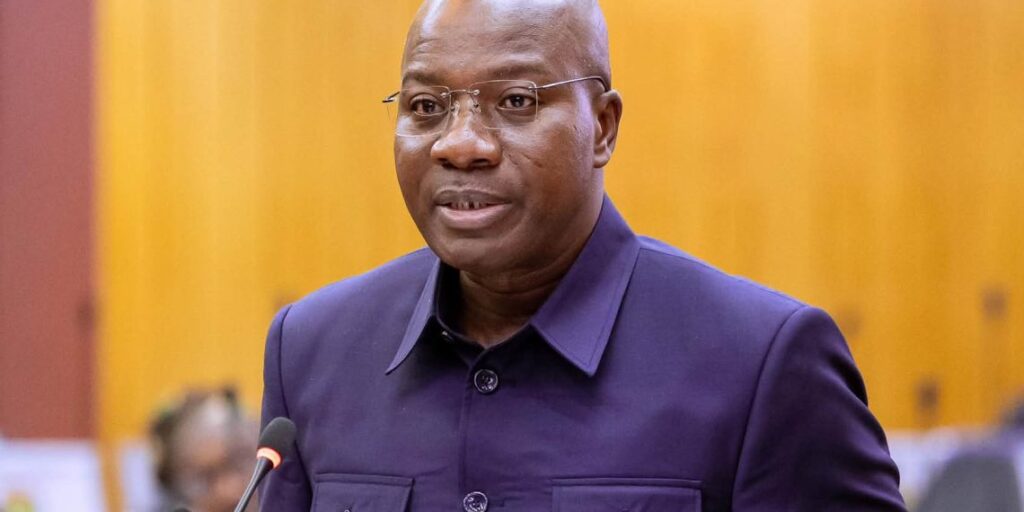
“It is all the factories that are here that are drawing the crowd because people want to live close to their workplace. And it’s the human beings that are living near the factories that are generating the waste.”
Mahama Ayariga, Bawku Central MP as Minister for Local Government, Chieftaincy and Religious Affairs
He extended the same logic across the wider economy of Accra, arguing that the government’s decision to host the national capital in the city, alongside the businesses operating there, creates a shared obligation.
“Industry, government which has hosted the capital in Accra, and then businesses, all of them must contribute for us to deal with the problem of waste management in the city,” he said, adding that while development partners would contribute something, the primary responsibility rests with every household, business, company, factory and establishment operating in the city.
A Campaign Against Sanitation Indiscipline
Hon Mahama Ayariga announced plans for a broader campaign targeting what he described as indiscipline in the city’s approach to sanitation and rate payment.
“We are going to launch a campaign. A campaign against sanitation that is not properly managed. A war against indiscipline,” he said, describing non-payment of assembly rates as itself a form of indiscipline.
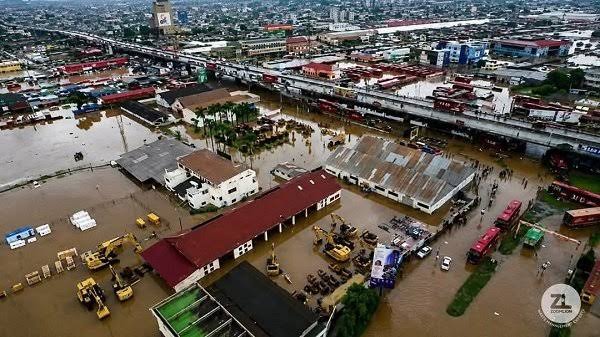
He was careful to acknowledge failures on the part of local authorities as well, conceding that poor administrative management by assemblies has often made it difficult for residents to pay what they owe.
He said assemblies must make payment easier while also being accountable for how the resulting revenue is spent, directing funds toward fixing waste management, lighting streets, repairing potholes, greening neighbourhoods, improving security and ensuring residents have access to basic amenities.
Hon Ayariga was blunt about the political cost of his approach. “My tenure as Minister for Local Government is not going to be an easy one,” he said. “I’m not engaged in a popularity contest. I don’t want to be popular. If I get popular, I want to be popular for making sure that everybody is uncomfortable doing the wrong things.”
He framed the urgency of the task as overdue rather than premature. “These are things that should have been done yesterday,” he said. “Unfortunately, we have to do them today. It means that we are in a hurry to get the things done.”
A Call for Media Support and Public Accountability
Hon Mahama Ayariga appealed directly to journalists covering the assessment to help explain the rationale behind the enforcement drive once it begins drawing public complaints.
“When we start doing the right things, those who are uncomfortable will start complaining, and we need to explain to them why the right things must be done. When we start exacting our pound of flesh from every resident of this city, a lot of people will complain. We need you to support us.”
Mahama Ayariga, Bawku Central MP as Minister for Local Government, Chieftaincy and Religious Affairs
He also invited scrutiny of his own ministry’s conduct, saying that if resources collected from residents are not reinvested in their neighbourhoods and welfare, the public has every right to hold the ministry accountable.
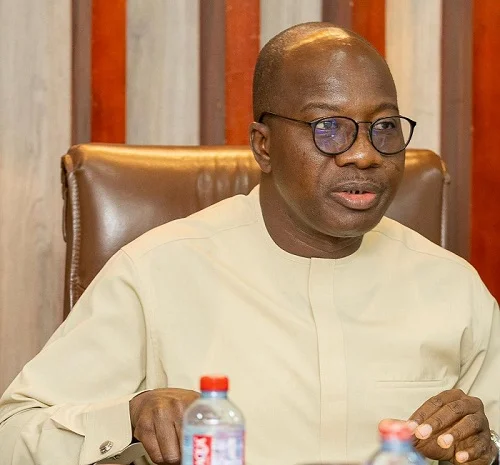
He closed by expressing confidence that the crisis, though serious, remains solvable through coordinated effort among mayors, Metropolitan, Municipal and District Chief Executives, the ministry and other relevant agencies. “It is not an insurmountable problem,” he said. “We can surmount it if we work together.”
READ ALSO: Ghana’s $4.3bn Trade Surplus Hides Troubling Economic Reality