The United Nations has warned of escalating humanitarian needs in Nepal after catastrophic flooding triggered by a glacier collapse killed at least 987 people and left another 4,247 missing, with rescue operations continuing amid the threat of further floods and landslides.
The scale of the disaster has overwhelmed several affected communities, with humanitarian agencies warning that the immediate emergency is far from over nearly a week after floodwaters began sweeping through parts of the Himalayan country.
The flooding, which was triggered by the collapse of a glacier in the Himalayas along Nepal’s border with China, has destroyed homes and critical infrastructure while leaving thousands of people searching for relatives, shelter, food and access to basic services.
Jens Laerke, spokesperson for the UN Office for the Coordination of Humanitarian Affairs (OCHA), confirmed that the current death toll stood at 987, while 4,247 people remained missing.
The disaster has also affected communities near the China border, where authorities have reported 16 deaths and 546 people missing, further underscoring the scale of the catastrophe and the difficulty of establishing the full human cost while rescue and assessment operations remain underway.
The continuing monsoon has compounded the challenges confronting emergency responders. In several hard-hit areas, access remains difficult because roads and bridges have been damaged or blocked, while unstable terrain has increased the danger facing both survivors and rescue personnel.
The International Federation of Red Cross and Red Crescent Societies (IFRC) has only recently been able to reach some of the worst-affected locations, including Rasuwa district, highlighting the logistical difficulties that have slowed the humanitarian response.
Matt Baden, IFRC Operations Manager for the Nepal crisis response, stated that “Search and rescue is still ongoing, and the monsoon hasn’t stopped.”
He added, “Blocked waterways remain at risk of further flooding, and the threat of landslides is real and immediate.”
The emergency has also exposed longstanding inequalities that have made some groups particularly vulnerable to the disaster.
According to UN Women, approximately 43,000 women and girls in Nepal now require immediate humanitarian assistance. The agency has warned that women survivors in some of the worst-affected areas are already running short of food, while access to safe drinking water is becoming increasingly difficult.
Christine Arab, UN Women’s Regional Director for Asia and the Pacific, indicated that the destruction of water systems, roads and bridges was particularly devastating for women who had already faced significant barriers to accessing basic services before the floods.
Before the disaster, women and girls in Rasuwa district were already spending hours travelling long distances to collect water. The destruction of infrastructure has now made access to safe water even more difficult, increasing the burden on communities that were already struggling with inadequate services.
The disaster has also created new protection concerns. Humanitarian agencies warn that displacement, disruption of community structures and weakened access to support services can expose women and girls to greater risks of gender-based violence, exploitation and trafficking.
Arab stressed that the humanitarian response must therefore go beyond providing immediate relief and ensure that women are included in decisions concerning recovery.
Disasters Deepen Existing Inequalities
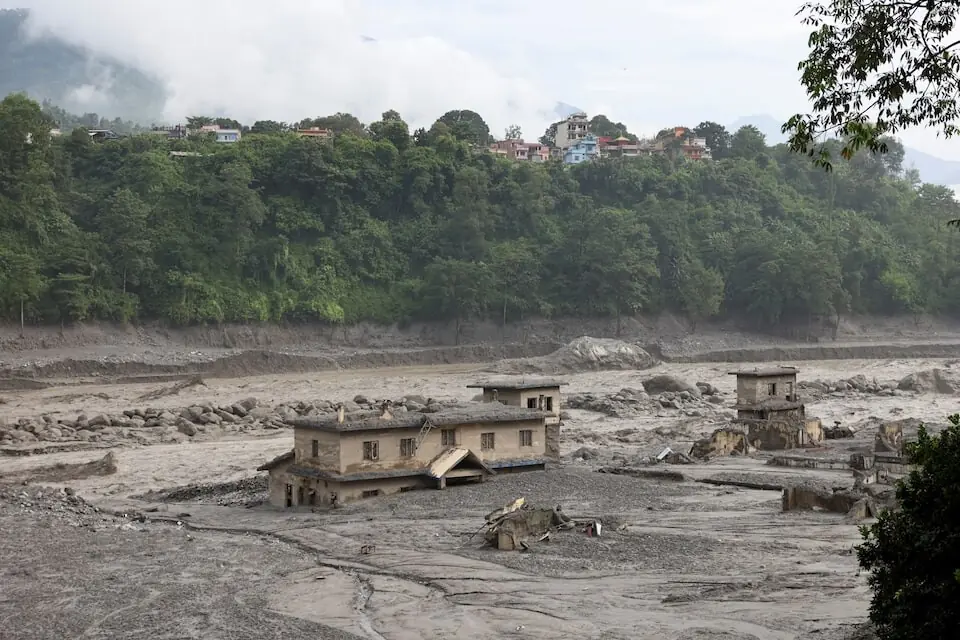
The devastating floods have highlighted how natural disasters can disproportionately affect people who were already living with limited access to resources and essential services.
According to Christine Arab, many people who would normally depend on humanitarian support, including pregnant women, nursing mothers and people with disabilities, were among those unable to reach safety when the disaster struck.
Arab also called for women and girls to be recognised not only as recipients of humanitarian assistance but also as participants in the recovery process.
In addition, Christian Lindmeier, spokesperson for the World Health Organization (WHO), added that six health facilities had been damaged or destroyed, while two others remained inaccessible.
The disruption has left some affected communities without adequate access to medical services at a time when injuries, displacement and poor sanitation could create additional health emergencies.
“People on the ground don’t have a health facility available at the time of their biggest needs. While immediate efforts remain focused on life-saving interventions, preventing secondary public health impacts is equally important.”
Christian Lindmeier
WHO is therefore supporting disease surveillance in affected and downstream communities, with particular attention to threats including dengue and scrub typhus.
The agency is also helping identify priority medicines, diagnostic kits and other essential medical supplies while providing technical guidance on infection prevention and the safe and dignified management of bodies.
READ ALSO: Barcelona Acquire the Services of Brazilian Striker Gabriel Jesus from Arsenal