
Foreign Affairs Minister Samuel Okudzeto Ablakwa has disclosed the full financial breakdown of Ghana’s evacuation of citizens from South Africa, confirming that the operation cost a total of GH¢49,721,786 and evacuated 1,964 Ghanaians between May 27 and September 4, 2026, with businessman Ibrahim Mahama’s companies contributing GH¢16 million toward the total.
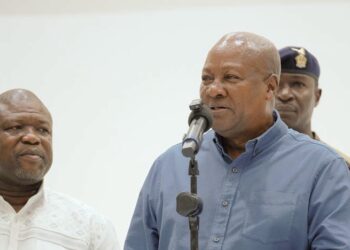
Hon Ablakwa presented the accounting in a statement stressing what he called strict adherence to the principles of transparency and accountability, providing a line-by-line breakdown of how public and donated funds were spent across the four-month evacuation exercise.
The North Tongu MP framed the government’s decision to evacuate as both urgent and unprecedented in its timing relative to other nations.
“Following the deterioration of the situation in South Africa, the government of Ghana took a prompt and firm decision to prioritise the safety and welfare of Ghanaians in South Africa by undertaking an evacuation exercise using charter and commercial flights”.
Foreign Affairs Minister Samuel Okudzeto Ablakwa
Hon Ablakwa noted that Ghana was the first country to evacuate its citizens in response to the xenophobic violence. He acknowledged that the scale of the response could not have been planned for in advance.
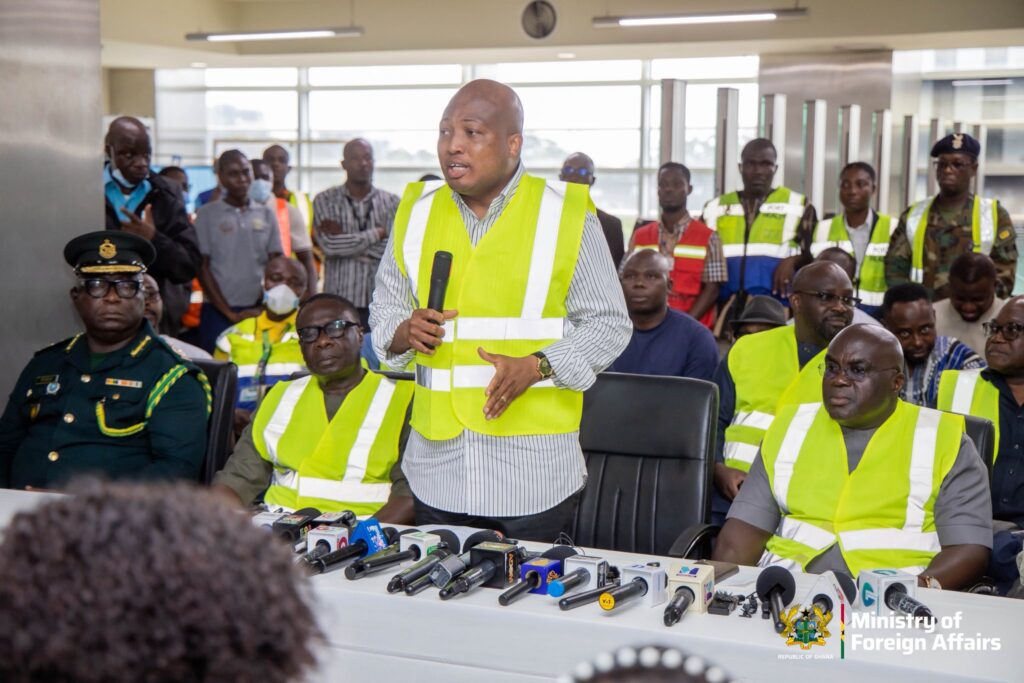
“The evacuation could not have been anticipated; hence, it was not budgeted for. However, the government of Ghana had to act swiftly to protect the lives of its citizens and to ensure that the dignity of Ghanaians is safeguarded. The lives protected and the dignity of Ghanaians far outweighs the cost of this evacuation.”
Foreign Affairs Minister Samuel Okudzeto Ablakwa
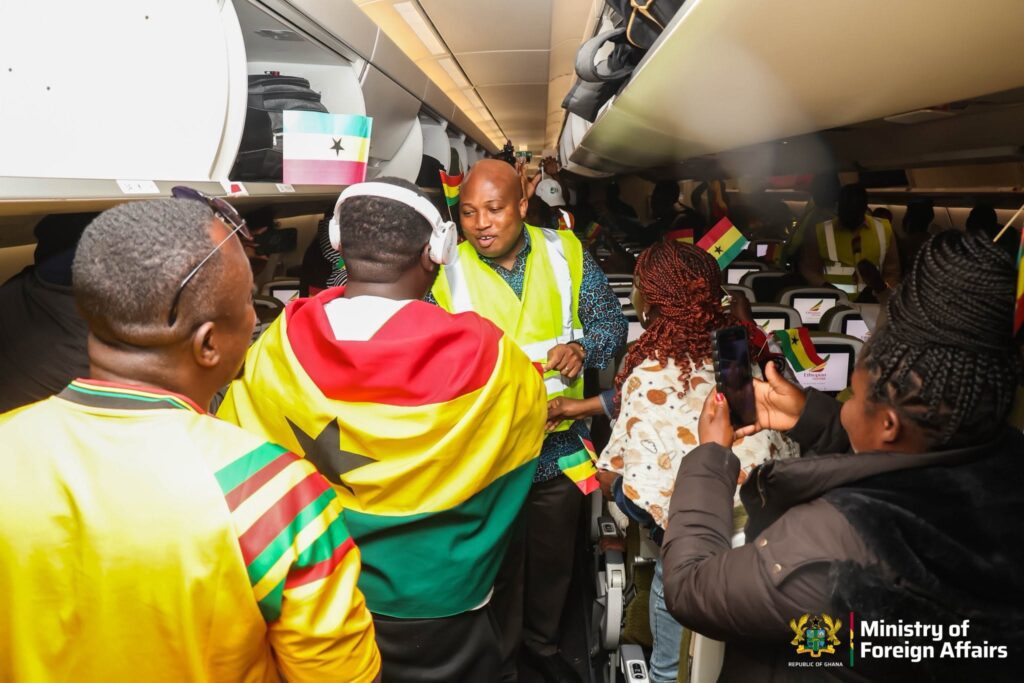
The first flight, on May 27, prioritised vulnerable groups, including children, the sick, the aged and women, and the operation was coordinated by the Ministry of Foreign Affairs in collaboration with Ghana’s High Commission in Pretoria, with active support from the Presidency, the National Security Secretariat and relevant ministries, departments and agencies.
The Full Cost, Broken Down
Hon Ablakwa presented the total cost of GH¢49,721,786 in three distinct components. Chartered flights, tickets, ground transportation, food, hotel accommodation in South Africa, and medical and hospitalisation requirements accounted for GH¢38,835,512, the largest single share of the total spend.
Reintegration and transportation allowances for returnees cost GH¢10,802,000. Hon Ablakwa walked through the arithmetic behind that figure directly.
“It’s quite easy to calculate the reintegration allowance. 5,000 cedis for the reintegration allowance, 500 cedis for transportation, so 5,500 times the 1,964 Ghanaians evacuated, and you get 10.8 million cedis.”
Foreign Affairs Minister Samuel Okudzeto Ablakwa
The final component covered the repatriation of two Ghanaians who lost their lives during the crisis, with handling charges for their remains totalling GH¢84,274. Hon Ablakwa referred to the deceased as “national heroes” in confirming this portion of the cost.
Ibrahim Mahama’s Contribution
Of the total GH¢49,721,786 spent, Hon Ablakwa disclosed that Engineers and Planners, a company associated with businessman Ibrahim Mahama, donated GH¢16 million toward the effort.
The government publicly commended Mr Ibrahim Mahama “for his extraordinary commitment to the welfare of the Ghanaians,” a contribution that covered roughly a third of the entire operation’s cost.
Hon Ablakwa was explicit that the remaining balance had been settled in full. “For the avoidance of doubt, the total evacuation cost of GH¢49,721,786 has been fully paid for and there are no outstanding liabilities,” he said.
Support Beyond the Numbers
Beyond the direct financial costs, Hon Ablakwa detailed a wide range of welfare support extended to returnees, describing the effort as designed to ensure evacuees were received “with dignity, compassion, and adequate institutional support.”
Psychologists and trauma counsellors were deployed for arrival responses and follow-up community-based sessions, with faith-based organisations and civil society groups partnering to provide additional emotional and spiritual support.
Hon Ablakwa noted the necessity of that support directly, acknowledging that many evacuees “have endured horrors no human should face.”
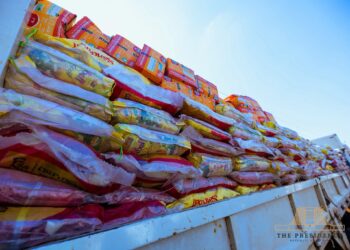
Additional support measures included free medical screening by Port Health, free health insurance registration through the National Health Insurance Authority, free SIM cards loaded with airtime and data from AirtelTigo and Telecel, food packages for every evacuee, and psychosocial support, oatmeal and water provided through the International Organization for Migration, NADMO and the Red Cross.
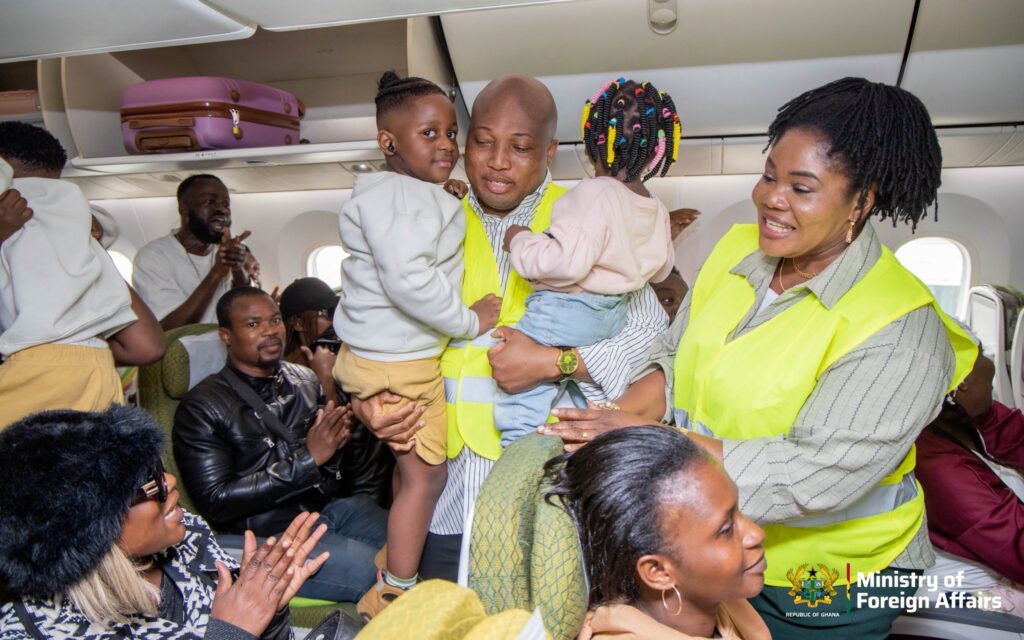
The Church of Pentecost provided free accommodation for evacuees in Pretoria, Centurion and Johannesburg ahead of their return.
Hon Ablakwa’s disclosure follows through on a commitment he made days earlier, when he pledged that the Foreign Ministry would present a comprehensive report to the Ghanaian public, accounting fully and transparently for the evacuation exercise.
With the full cost breakdown, funding sources, and support measures now disclosed, the ministry has closed out public reporting on an operation that brought nearly 2,000 Ghanaians home over more than three months of sustained diplomatic and logistical effort.
READ ALSO: Africa Must Turn Green Transition Into Industrial Power