The United States has imposed sanctions on 36 entities, including 27 Iranian airlines, as Washington intensifies pressure on Iran’s aviation sector and targets organisations it says are helping Tehran move weapons, personnel and illicit cargo.
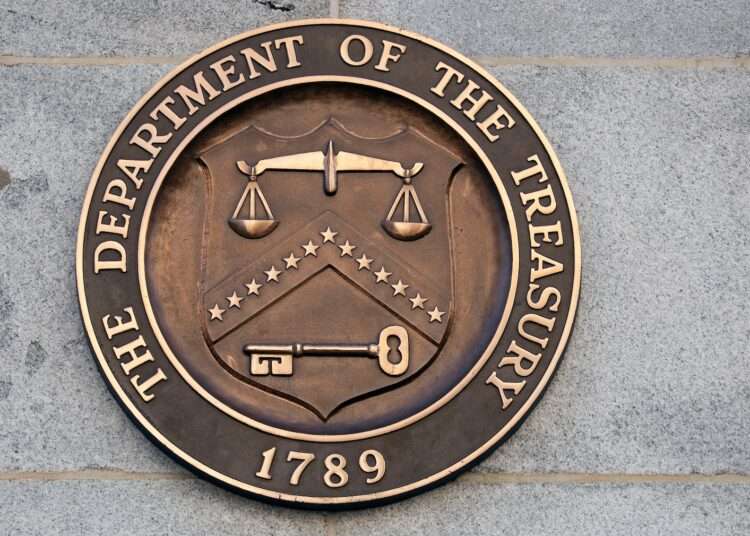
The US Treasury Department announced the measures as part of the Trump administration’s broader effort to cut what it describes as financial lifelines supporting the Iranian government. According to the Treasury, Iran uses its aviation sector to facilitate the movement of weapons, personnel and illicit cargo.
The latest sanctions also target networks that Washington says help Iranian airlines obtain US-origin aircraft and sensitive aviation technology despite existing restrictions. The department said the action targets covert front companies, foreign intermediaries and deceptive transshipment routes that Iran relies on to acquire restricted goods.
The measures expand previous sanctions imposed by the Office of Foreign Assets Control (OFAC) in April and July 2026 against individuals and entities involved in servicing Mahan Air’s domestic and international operations. Mahan Air, one of Iran’s largest airlines, has previously been subject to extensive US sanctions.
The latest action also targets third-country companies that Washington says facilitate activities linked to Mahan Air, including what the Treasury described as proliferation activity, terrorist-linked flight operations and the illicit procurement of US-origin aircraft. The Treasury said that foreign companies and individuals involved in supporting sanctioned Iranian airlines could face penalties, including through aircraft transfers, cargo services and general sales agent arrangements.
The department’s action goes beyond the designation of airlines and associated entities, with OFAC also suspending three Iran-related aviation authorisations. The suspended authorisations had allowed certain aviation activities involving Iran, including overflights and the operation of US-origin or US-controlled commercial aircraft by non-US airlines into Iran.
OFAC said that it would continue to consider requests related to aviation safety on a case-by-case basis. The move is intended to further restrict Iran’s ability to use international aviation networks while placing additional pressure on foreign companies that continue to conduct business with Iranian airlines targeted by US sanctions.
The Treasury said entities and individuals that facilitate transactions or services for sanctioned Iranian airlines risk being subjected to US financial restrictions. The measures come as Washington continues to pursue its broader sanctions strategy against Tehran under what the administration calls Operation Economic Outcast.
The campaign is designed to pressure the Iranian government by targeting financial networks and commercial entities that Washington says provide economic support to Tehran. The latest aviation sanctions demonstrate how the US is seeking to extend that pressure beyond Iran’s domestic financial system to international companies and intermediaries involved in the country’s aviation industry.
Bessent Defends Latest Sanctions
US Treasury Secretary, Scott Bessent defended the latest sanctions as part of Washington’s promise to impose severe consequences on companies that continue supporting Iran’s aviation sector. “Under Operation Economic Outcast, we promised severe consequences for those providing financial lifelines to the Iranian regime,” Bessent said. “Today, we followed through on that promise with sanctions on companies that continue to support Mahan Air,” he added.

Bessent also issued a broader warning to companies and individuals considering business with Iranian airlines.
“Let this be a warning to anyone doing business with Iran’s remaining airlines, all of which we sanctioned today. You are at risk of being cut off from the global financial system.”
Scott Bessent
His remarks underline the administration’s intention to use access to the US-led international financial system as a major source of pressure on businesses dealing with sanctioned Iranian entities. The warning extends beyond Iranian companies to foreign firms and individuals that provide services to them, including assistance with aircraft, cargo operations and commercial representation.
Washington’s latest action therefore seeks not only to restrict the targeted airlines directly but also to discourage international businesses from maintaining relationships with Iran’s aviation industry. The Treasury has described Iran as the world’s leading state sponsor of terrorism and said companies that continue facilitating sanctioned Iranian aviation activities could face serious consequences.
By targeting airlines, front companies and third-country intermediaries while suspending aviation-related authorisations, the US is attempting to close channels through which Iran can access aircraft, technology and international aviation services.
The sanctions are also likely to increase the pressure on Iran’s already restricted aviation sector, which has faced years of difficulties accessing aircraft and aviation technology because of US sanctions. For Washington, the measures form part of a wider strategy aimed at limiting Tehran’s ability to generate and move resources through international networks.
For companies operating in or dealing with Iran’s aviation sector, the Treasury’s latest warning signals increased scrutiny and the potential loss of access to the US financial system if they are found to be supporting sanctioned Iranian airlines.
READ ALSO: Sam George Draws “Most Incompetent Minister” Verdict From Former GMMB Director