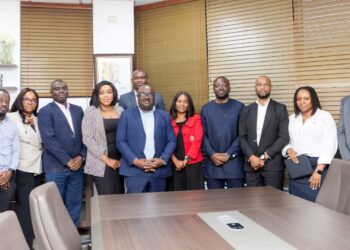
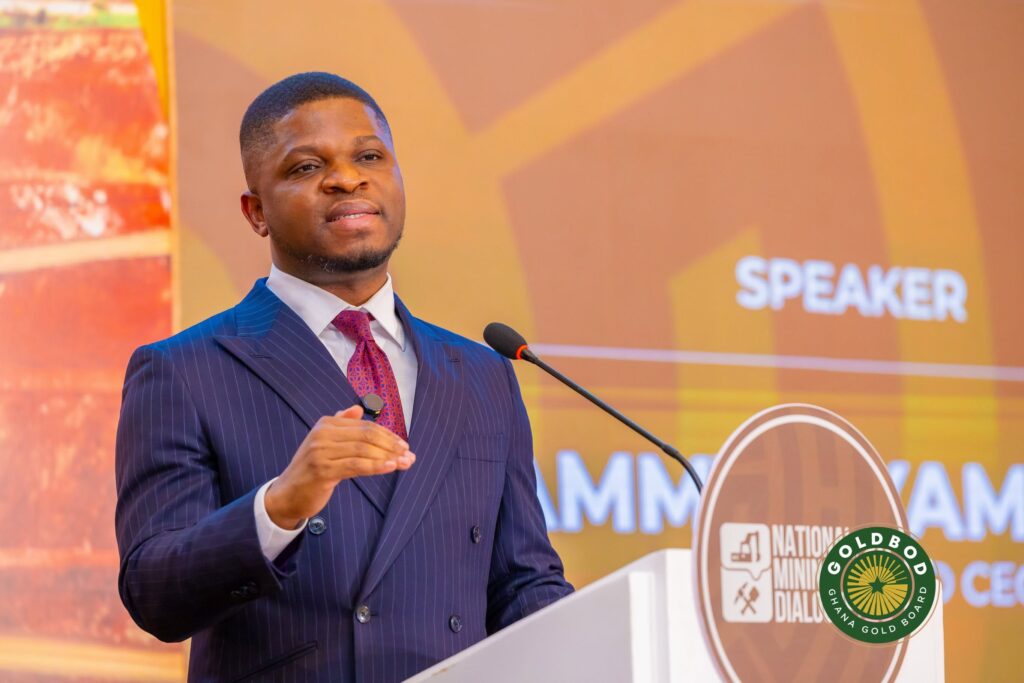
Sammy Gyamfi, Chief Executive Officer of the Ghana Gold Board (GoldBod), has underscored the state institution’s determination to establish an interactive, open-door policy centered on continuous stakeholder engagement, transparency, and public education across the nation’s minerals landscape.
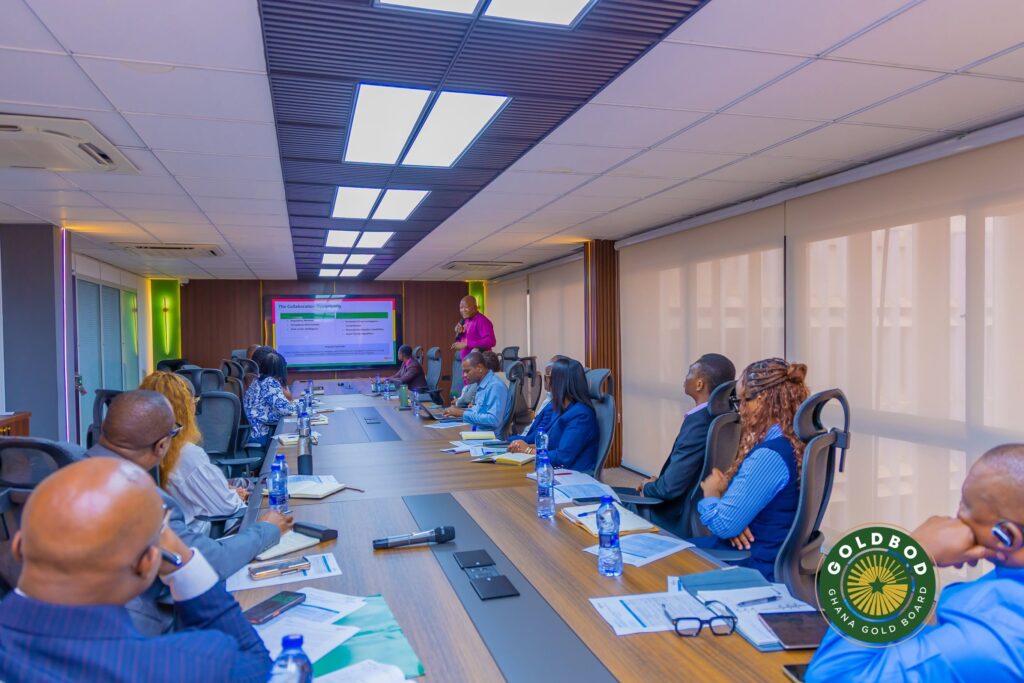
Speaking during a high-level consultative meeting, the executive explained that maintaining openness remains essential for aligning industry actors, building public confidence, and ensuring that regulatory interventions within the extractive sector yield tangible benefits for the economy.
The policy framework seeks to demystify state operations by reaching out to statutory bodies, civil society groups, professional associations, and local mining networks.
By institutionalizing structured lines of communication, the state gold trading authority aims to guarantee that statutory mandates, domestic purchasing arrangements, and reserve accumulation policies are thoroughly understood and implemented across every level of the natural resource value chain.
“And so, in matters of national interest like this, it’s always refreshing when you get involved. And I know that this will not just be a one-off engagement. We will keep the engagement lines open. Any information you need from us, whether you need us to come to your office, or you need us to send you an email or a document, we are happy to send it so that you can also educate your members accordingly for the good of Ghana.”
Sammy Gyamfi, Chief Executive Officer of the Ghana Gold Board (GoldBod)
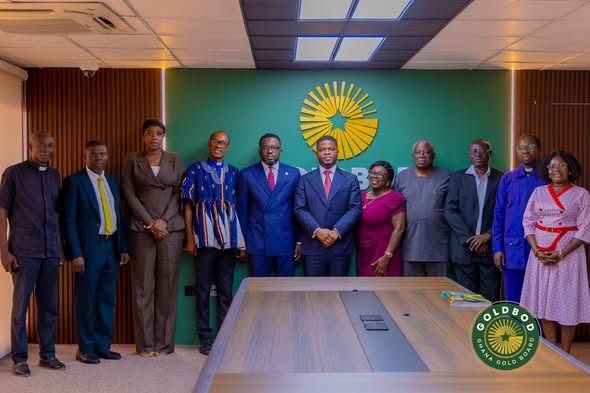
Expanding on this commitment, Mr. Gyamfi noted that institutional transparency cannot function as a static administrative declaration, but must manifest through proactive technical collaboration, responsive information sharing, and seamless administrative support across every facet of mineral resource governance.
He emphasized that whether statutory partners require technical briefings, direct in-person presentations at their offices, digital transmission of operational reports, or legal frameworks detailing purchasing mandates, GoldBod stands fully equipped to provide real-time assistance.
This comprehensive approach is designed to empower organizational leaders and industry representatives with verified facts, enabling them to educate their constituent members accurately while dispelling market misinformation.
Through this multi-channel engagement, the board intends to build a national consensus that supports formalizing small-scale mining, protects foreign reserve targets under national accumulation policies, and safeguards currency stability against market shocks.
Addressing Historical Information Asymmetries in the Mineral Sector
The urgent necessity for GoldBod’s consultative pledge stems from a long-standing history of institutional fragmentation, regulatory mistrust, and informational gaps that have historically plagued Ghana’s mining ecosystem.
For decades, the lack of transparent dialogue between mineral regulators and local extraction communities created a fertile environment for speculative trading, unauthorized cross-border gold movement, and severe foreign exchange leakages that undermined the sovereign balance sheet.
By breaking away from traditional administrative postures, Mr. Gyamfi’s open-door paradigm directly addresses these structural vulnerabilities.
Establishing accessible communication channels ensures that small-scale mining operators, licensed aggregators, and civil society advocates operate with complete clarity regarding statutory compliance, trade logistics, and national reserve targets.
This proactive posture transforms extractive governance from an enforcement-driven regime into a collaborative partnership that protects national assets.
Strengthening Domestic Economic Stability Through Unified Stakeholder Engagement
Beyond resolving operational misalignments, this comprehensive stakeholder pledge serves as a critical structural pillar for preserving national macroeconomic stability and safeguarding sovereign financial resilience.
Under its mandate, GoldBod relies on the seamless cooperation of extractive stakeholders to channel significant volumes of artisanal and large-scale gold directly into formal state purchasing pipelines and domestic refining infrastructure.
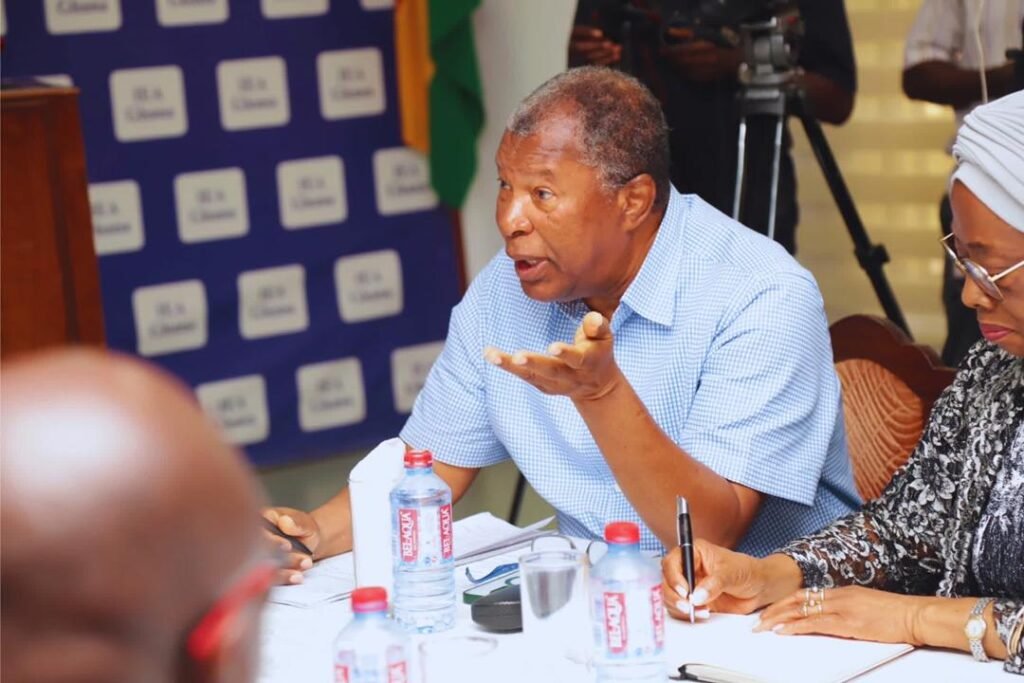
When industry participants are thoroughly educated on state policies such as local currency gold purchasing mechanisms and central bank reserve support programs the resulting alignment significantly reduces parallel market distortions.
Mr. Gyamfi observed during past consultative meetings that “the strategic aggregation of local mineral wealth requires absolute public trust and operational alignment,” reinforcing the reality that macroeconomic stability cannot be achieved in isolation.
Engaging civic and industrial leaders directly ensures that local gold production actively strengthens the cedi and fortifies national foreign exchange buffers.
Building Sustainable Extractive Governance and Public Accountability
Ultimately, the institutionalization of an open-door consultative framework establishes a modern, resilient blueprint for natural resource management that balances regulatory oversight with democratic accountability.
As GoldBod expands its domestic physical infrastructure including state-of-the-art fire assay facilities, local jewelry manufacturing initiatives, and environmental land reclamation projects maintaining an ongoing dialogue with civil society and faith-based organization leaders ensures that public interest remains at the core of extractive governance.
Providing continuous administrative accessibility enables stakeholder institutions to act as informed advocates who can disseminate accurate statutory guidelines to their grassroots members.
This collaborative synergy ensures that Ghana’s finite mineral wealth is managed with high ethical standards, operational integrity, and a shared commitment toward long-term national prosperity.
READ ALSO: KATH Receives GH¢4 Million Boost From Ghana Medical Trust Fund