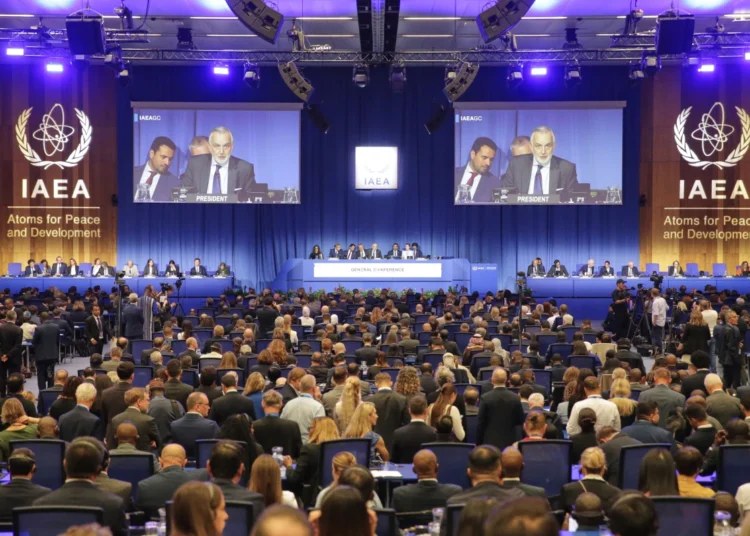
Iran has condemned Austria’s refusal to grant a visa to the head of its Atomic Energy Organization, Mohammad Eslami, preventing him from attending the annual gathering of the United Nations nuclear watchdog in Vienna.
Tehran described the decision as “a serious breach” of its rights as a member of the International Atomic Energy Agency (IAEA), arguing that the move obstructed its full participation in the agency’s General Conference.
Iran’s Ambassador to the IAEA, Reza Najafi, criticised the decision during the conference, saying that denying Eslami access violated the rules governing participation in IAEA meetings. Najafi told delegates that “By obstructing our full and effective participation, the denial of access contravenes both the letter and the spirit of the legal framework” governing attendance at IAEA meetings.
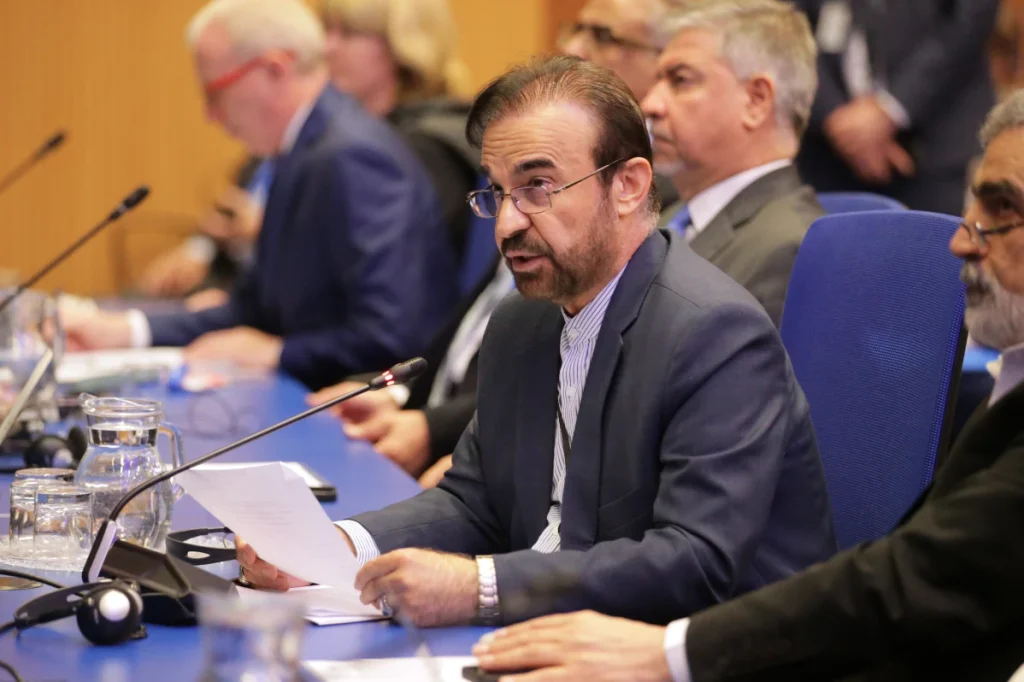
The Iranian diplomat also criticised Austria, which hosts the IAEA and several other United Nations organisations in Vienna, arguing that the country had failed to meet its obligations as host. Najafi said that Vienna’s decision not to issue a visa to Eslami “violates the host country’s obligation.”
Iranian Foreign Ministry Spokesperson Esmail Baghaei separately condemned Austria’s decision, saying Tehran had formally protested the move and summoned the Austrian chargé d’affaires.

Baghaei maintained that Austria was obligated, as the host country, to facilitate the participation of members of the Iranian delegation.
The dispute comes at a particularly sensitive moment in relations between Iran and the IAEA, as the international watchdog continues to press Tehran over unresolved questions surrounding its nuclear programme.
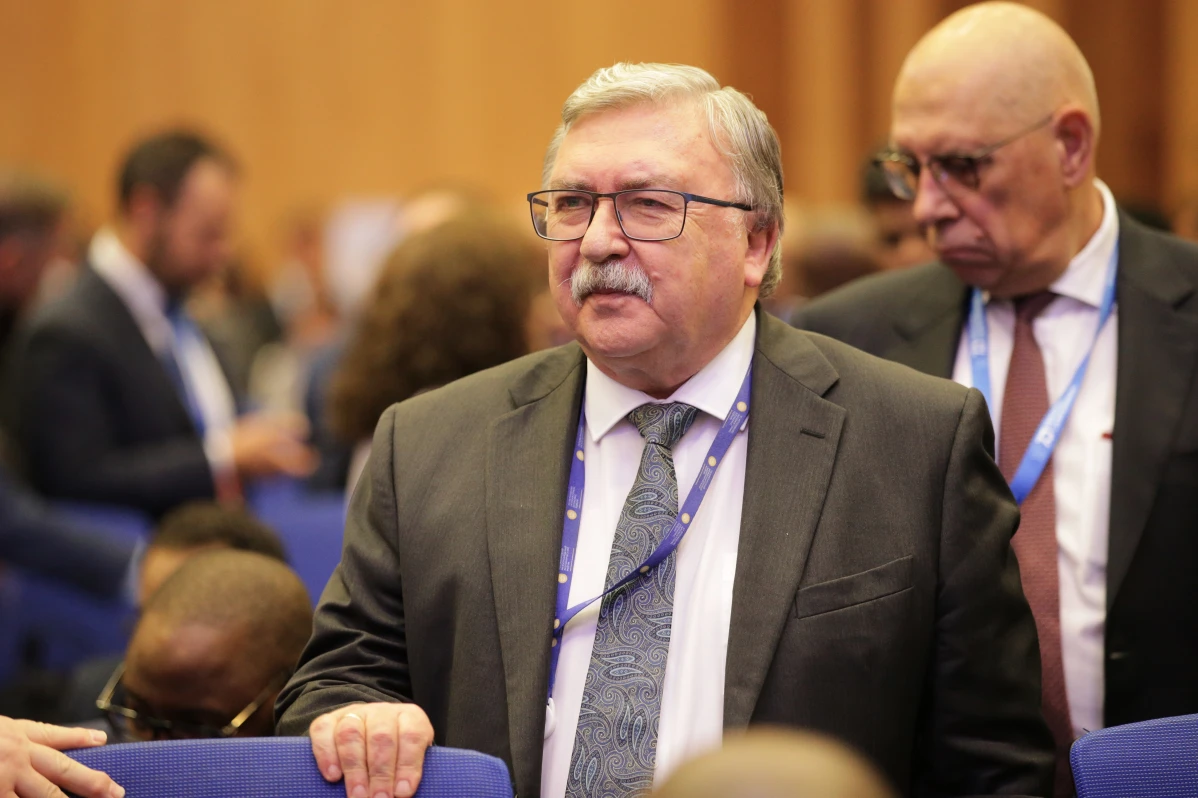
Russia also backed Iran’s criticism. Russian Ambassador to the UN organisations in Vienna, Mikhail Ulyanov, said that Austria had “grossly violated” its obligations as the host nation of the IAEA.
Ulyanov further accused Western countries of engaging in what he described as “a genuine campaign of visa-related abuses” aimed at countries they consider undesirable.
The dispute, however, is rooted in United Nations sanctions and restrictions that apply to Eslami.
Austria Explains Visa Refusal
Austria rejected Iran’s criticism, saying that it was required to deny Eslami entry after a UN Security Council sanctions committee rejected its request for an exemption from a travel ban.
Austria’s Ambassador to the IAEA, Christian Ebner, said that the country had sought an exemption specifically to allow Eslami to attend the international meeting. “As a consequence, Austria was obliged to deny one member of the Iranian delegation the entry into its territory,” Ebner said.
As the host of international organisations in Vienna, Austria can request exemptions from UN travel bans to allow sanctioned officials to attend international conferences. However, the authority to approve such exemptions rests with the relevant UN Security Council sanctions committee.
The dispute follows the reimposition of a range of UN sanctions on Iran after France, Britain and Germany triggered the so-called snapback mechanism over concerns about Tehran’s nuclear programme.
The measures include a travel ban, a conventional arms embargo, restrictions related to ballistic missile development, asset freezes and restrictions on the production of nuclear-related technology.
Iran, Russia and China have rejected the legality of the sanctions reinstated through the snapback mechanism.
The United States also played a role in the decision affecting Eslami. U.S. Ambassador to the UN organisations in Vienna, Preston Wells Griffith, said that Austria’s request for an exemption was rejected after Washington objected to it.
Griffith said that the United States remained interested in diplomacy over Iran’s nuclear programme but argued that Tehran’s lack of cooperation with the IAEA made it impossible to support allowing a UN-designated official to travel to Vienna. “While we are focused on a diplomatic solution to the challenges posed by Iran’s nuclear program, we could not allow a U.N. designated official to travel … without any meaningful cooperation on nuclear safeguards,” he said.
The disagreement comes amid continuing concerns over Iran’s nuclear activities following Israeli and U.S. strikes on Iranian nuclear facilities during a 12-day war in June 2025.
Iran has since prevented IAEA inspectors from accessing the affected sites, despite its obligations to cooperate with the nuclear watchdog under the Nuclear Nonproliferation Treaty.
The IAEA has also been unable to establish the current status of Iran’s stockpile of highly enriched uranium following the strikes.
According to the agency, Iran has accumulated 440.9 kilograms (972 pounds) of uranium enriched to as much as 60% purity. Uranium enriched to around 90% is generally considered weapons-grade, meaning Iran’s stockpile remains a major concern for international nuclear monitors.
Earlier this month, the IAEA board adopted a resolution referring Iran to the UN Security Council for the first time in two decades over its failure to cooperate with the agency’s investigation into uranium traces discovered at undeclared sites.
The latest dispute over Eslami’s visa therefore adds another layer of tension between Tehran and the international community as diplomatic efforts over Iran’s nuclear programme remain uncertain.
While Iran insists that its rights as an IAEA member have been undermined, Austria maintains that it was bound by the UN sanctions regime after the requested exemption was rejected.
READ ALSO: Trump Urges Zelenskyy To Halt Strikes On Russian Diesel