Ghana spent at least GHS780 million on COVID-19 fumigation between 2020 and 2022, more than eight times the GHS96 million the Auditor-General reported in its special audit of pandemic spending. Investigative journalist Manasseh Azure Awuni made the finding public on Tuesday, September 15, 2026, in a report published by Pledge Against Corruption Ghana.
Awuni built his case over several years from contract documents, Public Procurement Authority (PPA) letters and Right to Information (RTI) responses from state institutions.
His evidence shows the audit recorded only one of three Education Ministry contracts and left out the Local Government and Transport ministries entirely, even though auditors had their records in hand.
How Ofori-Atta’s Request Shaped the COVID-19 Special Audit
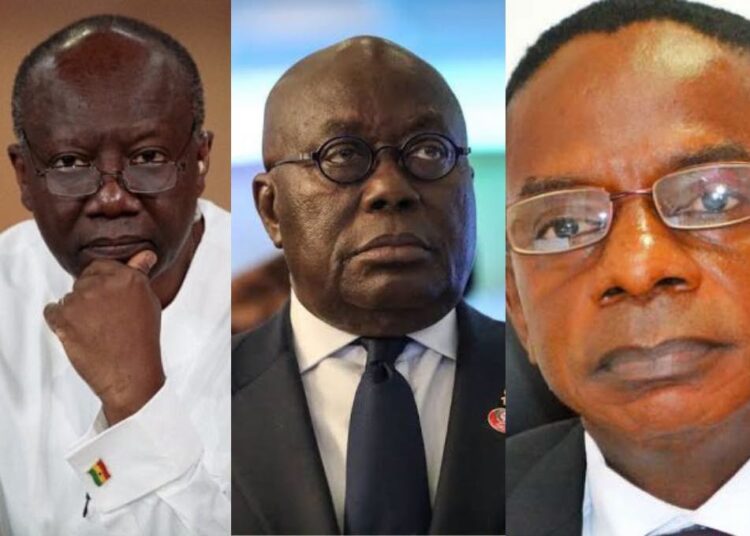
Former Finance Minister Ken Ofori-Atta asked the Auditor-General in a July 14, 2022 letter to examine pandemic spending by ministries, departments and agencies from 2020 to June 2022 and to finish within three months.
The Audit Service dated its report December 30, 2022. The report tracked GH¢21.8 billion the government mobilised from the Contingency Fund, development partners and Bank of Ghana COVID-19 bonds.
Ofori-Atta now faces corruption and corruption-related charges over the SML scandal and is fighting extradition from the United States. Johnson Akuamoah Asiedu, appointed by former President Nana Addo Dankwa Akufo-Addo, oversaw the audit.
The audit placed the combined cost of quarantine and fumigation at GH¢152,491,616 and assigned GH¢96,323,102.05 of that to fumigation. However, by Awuni’s count, the fumigation figure represents roughly 12 percent of what the state actually paid.
Education Ministry Fumigation Contracts Dwarf the Audit Figure
The Ministry of Education ran three rounds of school fumigation between mid-2020 and early 2021 to prepare for reopening.
The Ghana Education Service signed the first contract with Zoomlion Ghana Limited on July 24, 2020, for GH¢100,990,000. The second, dated September 24, 2020, cost GHS96,323,102, and the third, signed on March 1, 2021, cost GH¢118,858,340.
The three phases together cost GHS316.1 million. Yet the amount the Auditor-General presented as Ghana’s entire fumigation bill matches only the second phase, the cheapest of the three. The Audit Service confirmed examining the first two phases but never explained why it reported only one.
Local Government and Transport Fumigation Spending Missing From Audit
The Ministry of Local Government, Decentralisation and Rural Development paid Zoomlion GHS299 million for three rounds of market fumigation in 2020, and none of it appears in the audit.
The ministry handed Zoomlion the first GHS76.6 million contract in April 2020 through single-source procurement without the mandatory PPA approval, which the authority granted retroactively in July. A second contract of equal value followed on June 9, and a third worth GHS145.8 million came on November 27.
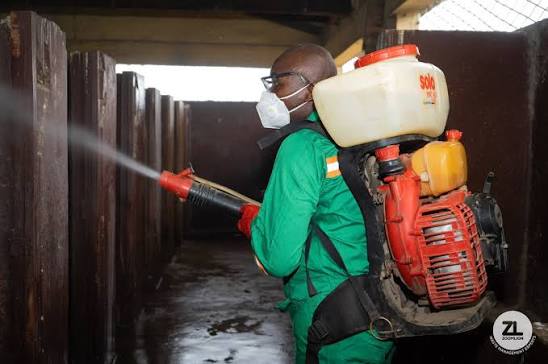
The Ministry of Transport paid the same company GHS159.9 million over three years. It spent GHS31.98 million in 2020 and again in 2021, then tripled the payment to GHS95.9 million in 2022, after vaccination had eased the pandemic.
The ministry confirmed the figures but refused to release the contracts, arguing they contain commercially confidential information. Meanwhile, Ghana Airports Company Limited paid four other firms GHS4,603,734 to disinfect the same aviation facilities the ministry says Zoomlion covered.
Zoomlion Took 99.4 Percent of COVID-19 Fumigation Money
Zoomlion received about GHS775 million of the GHS780 million Awuni traced. The World Bank barred the company in 2013 after it admitted paying bribes on a Liberian sanitation project, and the Auditor-General in 2019 accused it of fraudulently draining state resources through a separate Health Ministry fumigation deal.
The company already held two nationwide fumigation contracts when the pandemic struck, one with all metropolitan, municipal and district assemblies since 2010 and another with the Health Ministry since 2009. Leaders of several assemblies, including Accra and Kumasi, said the government ordered them to halt their own spraying so Zoomlion could take over.
A December 17, 2025 cabinet memo signed by the ministers responsible for Finance, Local Government and Youth Development, Dr Cassiel Ato Forson, Ahmed Ibrahim and George Opare-Addo, described Zoomlion’s grip on the sanitation sector as a risk to national security.

Ghana Audit Service Defends Its COVID-19 Report
The Local Government Ministry deferred Awuni’s request for its fumigation contracts in September 2022 because the documents had gone to the auditors. In a February 14, 2025 letter, the Ghana Audit Service confirmed it audited that spending and maintained that leaving it out of the report did not mean it went unaudited.
The service did not explain the omission and treated Awuni’s cover-up question as an allegation rather than a request for information.
Domelevo Questions Ofori-Atta’s Role in the Audit
Former Auditor-General Daniel Domelevo, who held the office when pandemic spending began, said a special audit of this kind should have captured the full COVID-19 expenditure. He argued that the law gives no room for a Finance Minister who controlled the spending to commission an audit of himself.
“If the auditee tells you to ‘come and audit me,’ it is loaded,” Domelevo said.
Scientists and WHO Doubted the Fumigation Exercise
Scientists from Noguchi Memorial Institute and other leading research centres told Awuni that spraying schools locked for three months served little purpose because the virus could not survive that long on surfaces.
Former Ghana Health Service Director General Dr Patrick Kumah Aboagye added that infections clustered in a handful of districts, yet the Local Government Ministry paid to fumigate markets nationwide.
The World Health Organisation issued guidance in May 2020 advising against spraying streets and marketplaces and against routine indoor fogging, citing poor results and health risks.

That same year, then Deputy Local Government Minister O.B. Amoah said in a media interview that the April 2020 exercise did not target the coronavirus and merely coincided with its outbreak.
Manasseh Awuni warns that the real bill is likely higher than GHS780 million, since the police, prisons, military and other state agencies ran their own fumigation exercises. The Transport Ministry continues to withhold its Zoomlion contracts, despite a PPA directive requiring ministries to publish them.
READ ALSO: Barker-Vormawor Says 40% Turnout Threshold Will Decide Ghana Referendum Success