World leaders will converge in New York later this month for the United Nations General Assembly’s 81st High-Level Week, with conflicts, climate change, pandemic preparedness, rising seas, and the slow pace of sustainable development expected to dominate discussions amid mounting geopolitical tensions and growing pressure on the multilateral system.
The gathering comes as countries confront overlapping crises that increasingly defy national solutions. Armed conflicts continue to test the international system’s ability to maintain peace and security, climate impacts are becoming more severe, inequalities remain deeply entrenched, and progress towards the Sustainable Development Goals (SDGs) has fallen behind the pace required to meet the 2030 deadline.
Against this backdrop, leaders from the UN’s 193 Member States will arrive in New York with national priorities shaped by different political, economic and security concerns
The 81st session will be presided over by the newly elected President of the General Assembly, Khalilur Rahman of Bangladesh, under the theme,“Restoring trust, managing transformation: A United Nations that delivers for all.”
The High-Level Week will therefore test whether countries can find common ground on issues where the consequences of inaction are increasingly visible.
At the centre of the week is the General Debate, which begins on 22 September. Presidents, Prime Ministers and senior representatives from across the world will take to the General Assembly’s iconic green marble podium to outline their governments’ positions on the major challenges confronting the international community.
Development, Climate and the Race Towards Agenda 2030
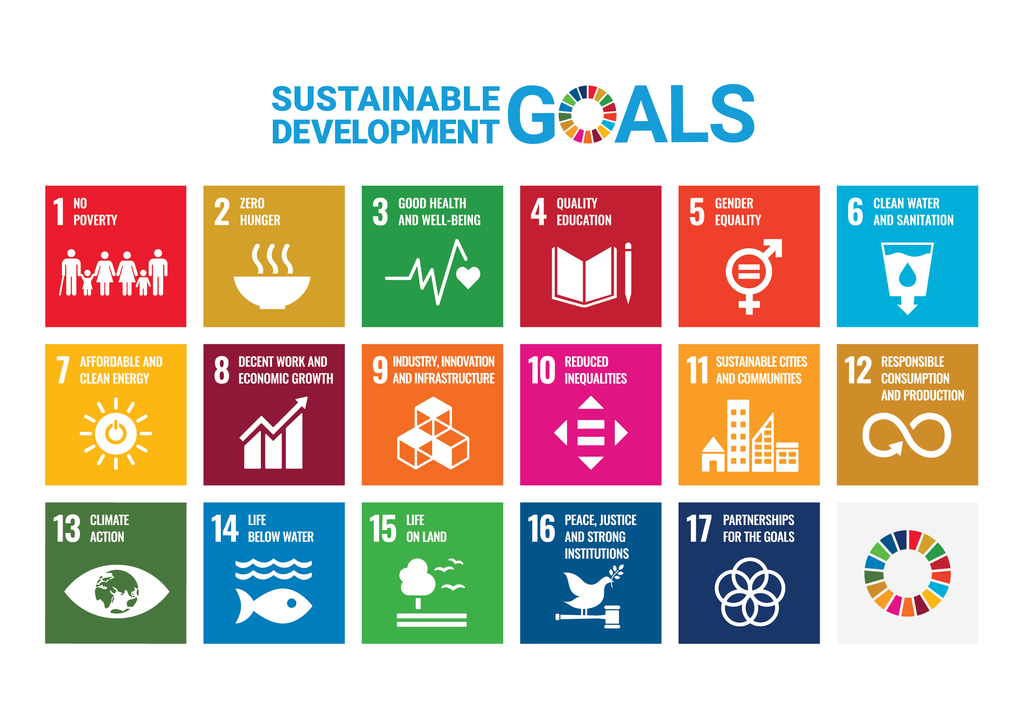
In addition, attention will turn to the future of the Sustainable Development Goals when leaders gather on 18 September for the annual SDG Moment.
In 2015, countries adopted 17 Sustainable Development Goals as a shared framework for addressing some of the world’s most persistent challenges, including poverty, hunger, inequality, education, access to clean water and energy, and environmental sustainability.
With fewer than five years remaining before the 2030 deadline, however, progress has become a growing concern.
The UN has warned that progress on a significant proportion of the SDG targets remains weak or insufficient, raising difficult questions about whether the international community can accelerate implementation quickly enough to meet the commitments made more than a decade ago.
The SDG Moment will therefore focus not only on reviewing what has been achieved but also on identifying practical solutions that can be expanded, replicated and adapted across countries.
Moreover, on 23 September, UN Secretary-General António Guterres will convene world leaders for a High-Level Event on Climate Action and the Just Transition.
The meeting will focus on accelerating the transition towards renewable energy, expanding climate finance for developing countries and strengthening support for communities already experiencing the consequences of a warming planet.
The reference to a “just transition” is particularly important for countries that must balance climate commitments with pressing development needs.
The challenge for world leaders will be how to accelerate climate action without deepening existing inequalities between countries that possess the financial and technological capacity to manage the transition and those that remain constrained by limited resources.
A day later, leaders will turn their attention to sea-level rise, one of the most visible and immediate consequences of global warming.
For small island developing States and low-lying coastal communities, the threat is no longer a distant projection. Rising seas are already placing pressure on homes, infrastructure and freshwater supplies, while raising broader concerns about displacement and the future of vulnerable communities.
The high-level meeting will seek to strengthen international cooperation and mobilise support for countries most exposed to the risks.
From climate, the agenda will move to another global threat whose consequences remain fresh in the memory of governments and communities: pandemics.
On 25 September, Heads of State and Government will revisit the lessons of COVID-19 during a high-level meeting on pandemic prevention, preparedness and response.
The COVID-19 pandemic demonstrated how rapidly a health crisis can spread across borders and exposed significant inequalities in access to vaccines, medicines and other essential resources.
Those disparities raised broader questions about the fairness and effectiveness of the international health architecture, particularly for countries that found themselves competing for limited supplies during the height of the global emergency.
The September meeting will examine ways to strengthen health systems, improve preparedness and build a more equitable international response to future pandemics.
Furthermore, on 23 September, leaders will also mark the 40th anniversary of the Declaration on the Right to Development, adopted by the General Assembly in 1986.
The declaration advanced the principle that development should not be understood solely in terms of economic growth, placing greater emphasis on participation, equality and opportunity.
The anniversary will provide an opportunity to revisit a question that remains central to global development debates: who benefits from development, who is excluded, and what responsibilities do governments and the international community have in ensuring that progress reaches all sections of society?
The focus on rights and equality will continue on 28 September, when the UN commemorates the 25th anniversary of the Durban Declaration and Programme of Action, a major international framework aimed at combating racism, racial discrimination, xenophobia and related intolerance.
The anniversary will offer governments an opportunity to assess progress while confronting the persistence of discrimination in different parts of the world.
As the High-Level Week draws towards its conclusion, attention will shift once again to international security.
On 29 September, leaders will hold a high-level plenary meeting to mark the International Day for the Total Elimination of Nuclear Weapons.
Nuclear disarmament was among the first major issues addressed by the United Nations, yet almost eight decades later, nuclear weapons remain firmly embedded in the global security landscape.
The UN continues to regard their complete elimination as its highest disarmament priority, but the persistence of geopolitical rivalries and international conflicts continues to complicate efforts to advance that goal.
The discussions will take place at a time when the broader international order faces growing uncertainty, making the question of collective security increasingly difficult.
Throughout the week, the underlying issue will remain whether multilateralism can still deliver meaningful action in a world where countries are increasingly divided.
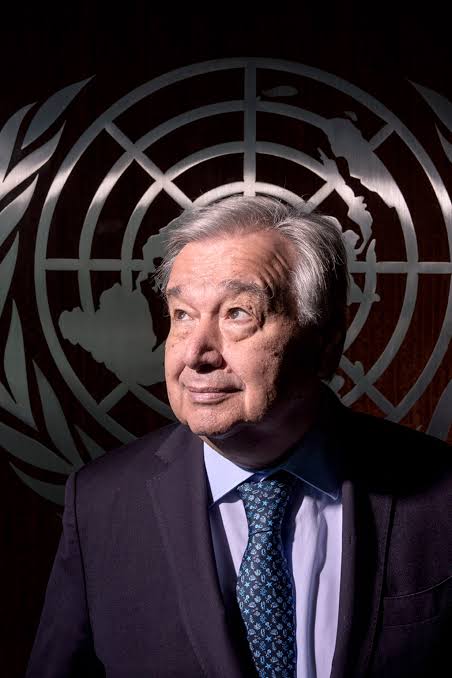
The 81st session will also be the final General Assembly session to begin under Guterres as Secretary-General. His second and final term ends on 31 December 2026, concluding a decade at the helm of the organisation.
The process of selecting his successor is already underway, and the next Secretary-General will assume office on 1 January 2027.
Whoever takes over will inherit an organisation confronting many of the same questions expected to dominate the General Assembly this month: how to manage conflicts, restore trust in international institutions, accelerate sustainable development and strengthen cooperation at a time of growing geopolitical division.