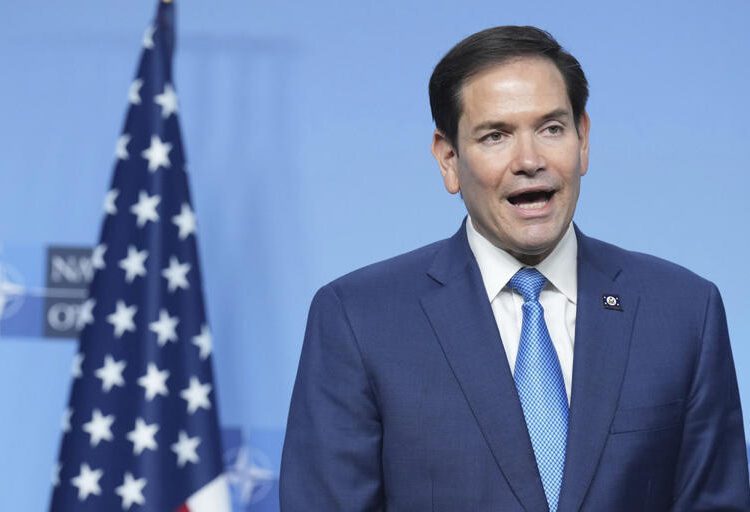
US Secretary of State, Marco Rubio has warned that the war between Russia and Ukraine could expand beyond the two countries, as concerns grow over attacks on critical infrastructure and the broader security implications of the conflict.
Speaking to reporters on the sidelines of the United Nations General Assembly, Rubio acknowledged the possibility that the war could spread to other locations through actions that fall short of conventional warfare. “It could metastasize and spread into other places,” Rubio said, adding that the conflict “could grow into somewhere else, be it through a hybrid attack, be it through a sabotage attack, be it through a misunderstanding.”
Rubio said that the United States was monitoring developments closely and had communicated its concerns to relevant officials. “We’ve raised our concerns with the right people at the right levels,” he said.
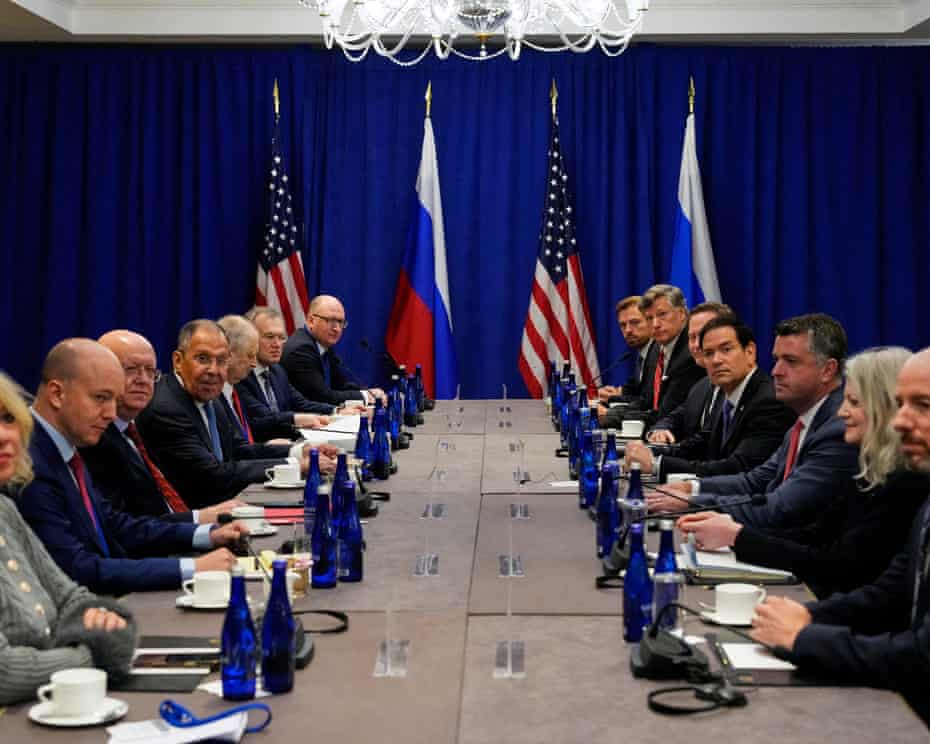
His comments came after he met with Russian Foreign Minister, Sergei Lavrov as diplomatic efforts continue to find a path towards ending the war.
Rubio maintained that the conflict would ultimately have to end through negotiations rather than on the battlefield, while expressing hope that Washington could play a constructive role in efforts to bring the war to an end.
He also pointed to growing attacks on energy infrastructure by both Russia and Ukraine as winter approaches, highlighting the potential consequences for civilians and energy security.
The comments followed remarks from Kremlin spokesperson Dmitry Peskov, who said Russia believed there were currently no grounds for peace talks with Ukraine, while maintaining that Moscow remained open to negotiations in principle.
Rubio’s warning comes amid wider concerns over the potential for incidents connected to the war to affect other European countries.
The US Secretary of state also addressed several other international issues during his discussions with reporters, including Cuba, Venezuela, Taiwan and Iran.
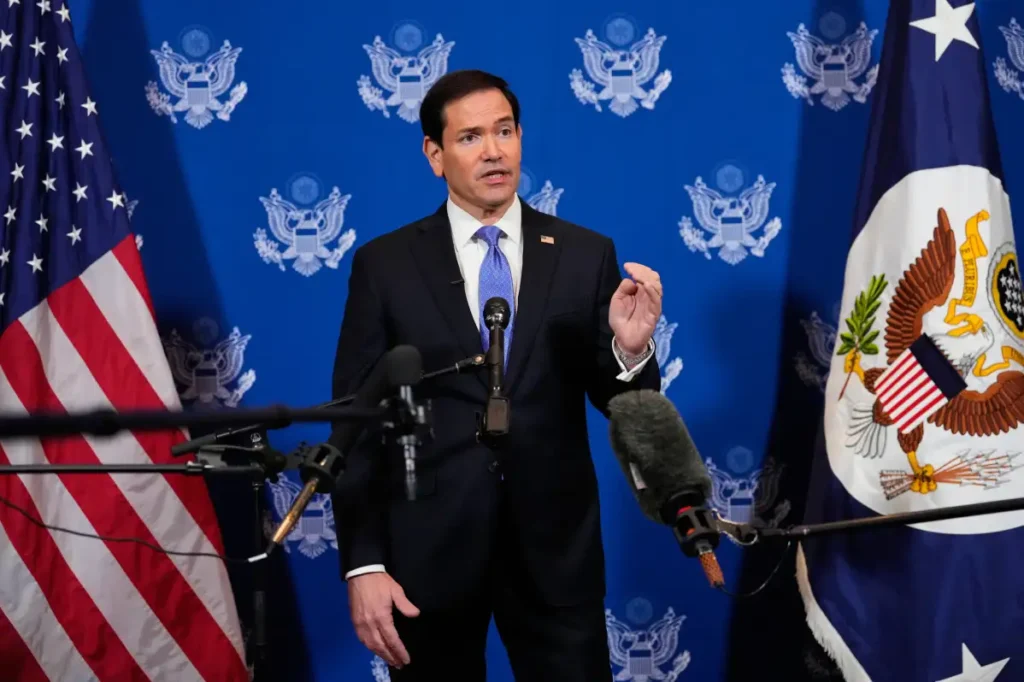
On Cuba, Rubio said that the United States remained open to future investment by American businesses but argued that companies currently lacked confidence that they could recover their investments under the country’s existing governance.
“There’s simply no legitimacy or credibility that this regime will ever live up to these conditions because they never have before.
“No one is going to invest in Cuba under their current governance model. They’re just not going to do it.”
Marco Rubio
His comments come after the Trump administration imposed measures aimed at increasing economic pressure on Havana, including sanctions and threats of tariffs against countries supplying oil to Cuba.
Rubio also discussed President Donald Trump’s meeting with Venezuelan acting President Delcy Rodríguez, saying the two sides had discussed measures that could help rebuild confidence in Venezuela’s economy.
He said that potential steps included debt restructuring and progress on the country’s political transition and reconciliation process.
“We’d like to see a point where they feel and have confidence that they can actually go back and rebuild what they lost, or rebuild what was taken on the political front, but also on the economic front.”
Marco Rubio
He added that further progress on transition and reconciliation would be necessary to encourage Venezuelans living abroad to return.
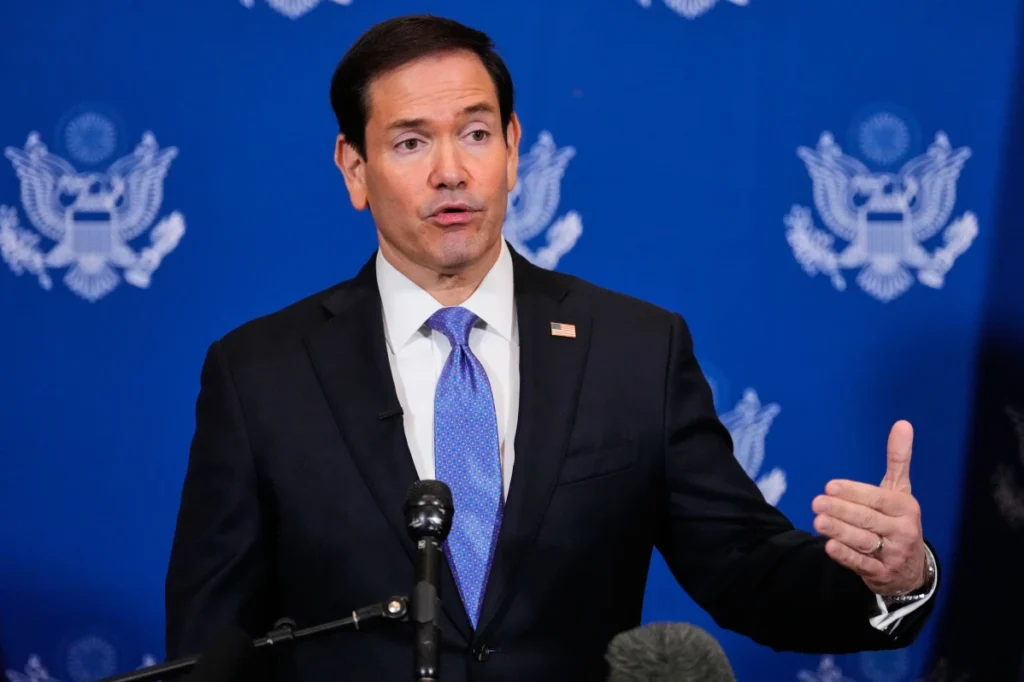
Rubio also addressed US arms sales to Taiwan, saying that Washington must balance Taiwan’s defence needs against its own military requirements and industrial capacity. “Anytime we do any sales, … it is always balanced against what are our own needs in different parts of the world and whether we can afford to sell something, because we may need it for ourselves,” he said.
Rubio Says Trump Open To Iran Deal
Moreover, Rubio stressed that Trump remains open to reaching an agreement with Iran that would allow the country to develop economically while addressing US concerns over its nuclear programme and support for militant groups. “Trump remains open to a deal with Iran that allows Iran to be what it should be, which is a great and prosperous country,” Rubio said.
He said, however, that negotiations were complicated by what Washington views as Tehran’s continued pursuit of a nuclear weapon and its support for terrorism.
Rubio warned that if those issues remain unresolved, Trump could consider a range of options, including further military action.
The Secretary of state declined to provide details about the latest US-Iran talks but said that Washington and the Gulf Cooperation Council had reached a consensus regarding what he described as “deeply problematic” attacks by Houthi rebels in Yemen.
He also stressed the importance of keeping the Strait of Hormuz open and free from attacks, given its strategic importance to international shipping and energy markets.
Rubio’s comments come as the United States continues to pursue diplomatic engagement with Iran while maintaining pressure and keeping military options on the table.