OccupyGhana has raised questions over the handling of the Power Distribution Services Ghana Limited investigation, particularly the freezing of accounts, escalating bail conditions and restrictions imposed on persons connected to the case. The civil society organisation argued that the seriousness of an alleged economic offence should not by itself justify prolonged restrictions on individuals who have not been charged.
In a press statement, OccupyGhana noted that about 66 accounts linked to PDS Ghana Limited and individuals associated with the company has reportedly been frozen since April. The organisation further pointed to the increase in bail for two PDS officials from GH¢50 million each to GH¢100 million each within a week.
The group also drew attention to reporting requirements imposed during the investigation. According to OccupyGhana, two PDS officials and two lawyers connected to the matter have reportedly been required to report to the Economic and Organised Crime Office three times every week since May, resulting in about 60 attendances each.
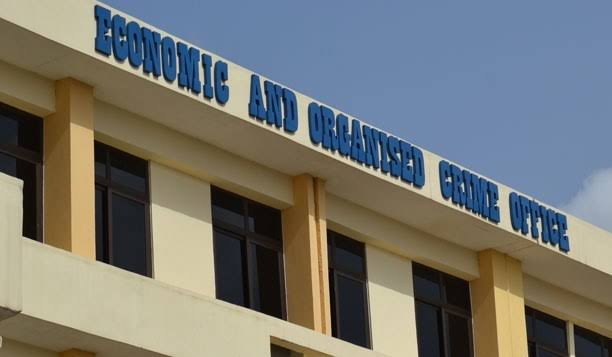
OccupyGhana argued that the restrictions require closer scrutiny because no charges had been filed against those individuals at the time of its statement. The organisation acknowledged that the State has serious allegations under investigation, but maintained that investigative powers must operate within constitutional and statutory boundaries.
The State has linked the investigation to the alleged transfer of about GH¢850 million from a CalBank account it says belonged to the Electricity Company of Ghana. The Attorney-General’s Office has previously indicated that four persons linked to PDS were being investigated over the suspected disappearance of the funds, while stressing at the time that the probe was still preliminary and no formal charges had been filed.
Meanwhile, lawyers representing persons connected to the investigation have separately challenged their treatment by the investigative authorities. Minkah-Premo, Osei-Bonsu, Bruce-Cathline and Partners previously alleged that two of its lawyers were detained after accompanying clients to the BNI and were subsequently granted GH¢50 million bail each.
OccupyGhana consequently questioned whether the restrictions placed on the PDS officials and lawyers remained proportionate while investigations continued. “Whatever the merits of the underlying investigation, action against lawyers for representing clients raises a fundamental concern: the right to counsel safeguards everyone,” the organisation noted.
PDS has also initiated judicial review proceedings concerning the investigation and account freezes. OccupyGhana therefore urged the relevant authorities to allow the courts to determine the competing claims while ensuring that investigative measures do not become punitive in effect.
OccupyGhana Demands Due Process in Economic Crime Investigations
OccupyGhana has called on the Economic and Organised Crime Office, the Bureau of National Intelligence and other investigative bodies to observe constitutional safeguards when exercising their investigative powers. The organisation argued that protecting due process should form part of the fight against corruption instead of being treated as an impediment to prosecutions.
The pressure group raised particular questions about account freezes, agency-imposed bail, travel restrictions, reporting requirements and arrests undertaken during ongoing investigations. It contended that such measures require clear legal justification, especially where suspects have not been formally charged.
OccupyGhana referenced several cases in support of its position, including a March 2026 High Court ruling concerning Sesi-Edem Company Limited. The court ordered the company’s accounts to be unfrozen after finding that EOCO acted without a legal basis in relation to a contractual dispute.
The organisation also cited the case involving former NAFCO Chief Executive Hanan Abdul-Wahab Aludiba, who was arrested by BNI officers at the airport in July after the High Court had permitted him to travel for medical treatment. His wife subsequently sought habeas corpus, according to the statement.

Turning to agency-imposed bail, OccupyGhana noted that conditions in several financial investigations had reportedly reached levels that suspects were unable to meet. It pointed to a pending Supreme Court action challenging the authority of security agencies to impose bail conditions without judicial involvement.
The group further called attention to the role of lawyers during investigations, arguing that legal representation must remain protected when investigators question or detain persons under investigation. Its position follows the separate controversy surrounding two lawyers who were detained during the PDS investigation after accompanying their clients to the BNI.
OccupyGhana also urged the courts to deal promptly with pending challenges involving investigative powers. The organisation specifically called for expeditious consideration of the PDS judicial review proceedings and the Supreme Court action concerning agency-imposed bail.
“Due process is not an obstacle to fighting corruption. It is what makes prosecutions sustainable and recoveries lawful,” OccupyGhana declared, adding that investigative powers must operate within legal limits.
Beyond the courts, the organisation proposed stronger parliamentary scrutiny of how EOCO and the BNI exercise their powers. It called on Parliament’s Constitutional, Legal and Parliamentary Affairs Committee and Defence and Interior Committee to examine the use of freezing orders, bail conditions and other restrictions by investigative bodies.
Additionally, OccupyGhana urged the Attorney-General to review the use of such measures in ongoing investigations and respond to petitions and correspondence before his office. EOCO, for its part, has previously reiterated that its investigations are conducted within the Constitution and applicable laws and has defended its authority to pursue persons under investigation.
The organisation therefore called for a clearer distinction between investigating suspected economic crime and imposing restrictions that could amount to punishment before a court has determined whether an offence was committed. It stressed that accountability for public funds and protection of constitutional rights should operate together within Ghana’s justice system.
READ ALSO: Piesie Esther Reveals Inspiration Behind ‘Great Change’ Anthem