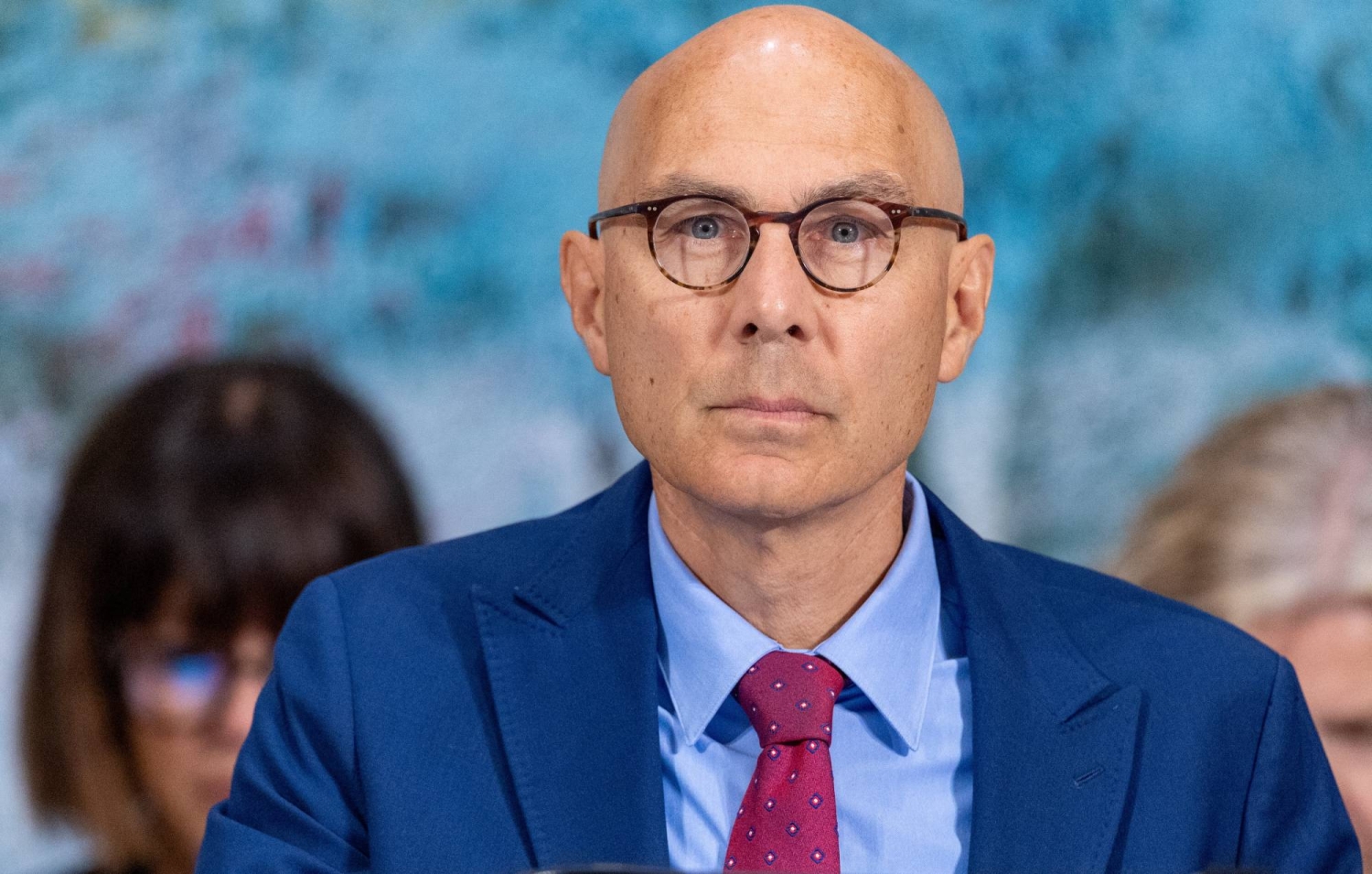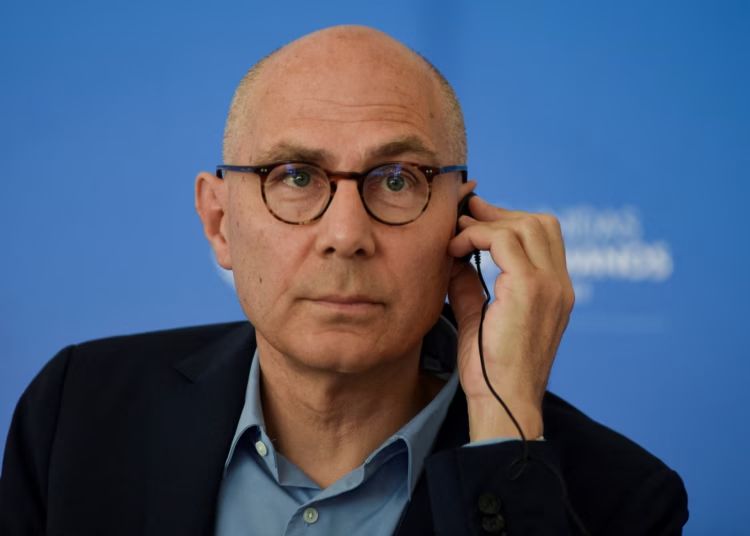
United Nations High Commissioner for Human Rights, Volker Türk, has called for women to be placed at the centre of global efforts to prevent conflict and build lasting peace, warning that women and girls continue to suffer disproportionately from violence while remaining underrepresented in decisions on security and peace.
Addressing the International Civil Society Action Network’s 2026 Forum on Women, Peace and Security in The Hague through a video message, Türk noted that the world is facing “seismic global shocks” as conflicts continue to affect millions of people across different regions.
The scale of women’s exposure to conflict has reached a historic level, with 676 million women and girls estimated to have lived within 50 kilometres of an active conflict zone in 2024, according to the latest data.
Women living close to conflict zones face insecurity, displacement, loss of livelihoods and disruption to essential services, while those already experiencing social and economic discrimination can face additional vulnerabilities.
The United Nations High Commissioner for Human Rights highlighted some of the most severe forms of violence associated with conflict, noting that women constitute the overwhelming majority of victims of conflict-related rape, abductions, human trafficking and sexual slavery.
He also linked women’s vulnerability during conflict to conditions that existed before violence erupted, stating, “the lower the resources allocated to women in terms of health, wealth and education, the greater their exposure to harm.”
According to the High Commissioner, investment in women’s education, health and economic wellbeing is not only a development objective but also contributes to reducing the vulnerabilities that can intensify when communities descend into violence.
The risks can become even greater for women and girls who experience discrimination on racial, ethnic, religious or other grounds, he stated, adding that overlapping forms of marginalisation can leave some groups particularly exposed to conflict-related violence.
Yet Türk cautioned against framing women exclusively through the harm they experience.
“But women are not victims. On the contrary: all over the world, even in the harshest and most violent environments, women continue to lead, organise, mediate, and document violations.”
Volker Türk
Women frequently serve as first responders during humanitarian crises, according to Türk, using their understanding of local communities and conditions to organise assistance and respond to emerging threats.
Such local knowledge, he suggested, can be particularly valuable to international organisations whose interventions may otherwise overlook realities on the ground.
“They are very powerful builders of community protection, accountability, and peace,” Türk added.
Redefining Security Through Equality and Human Rights
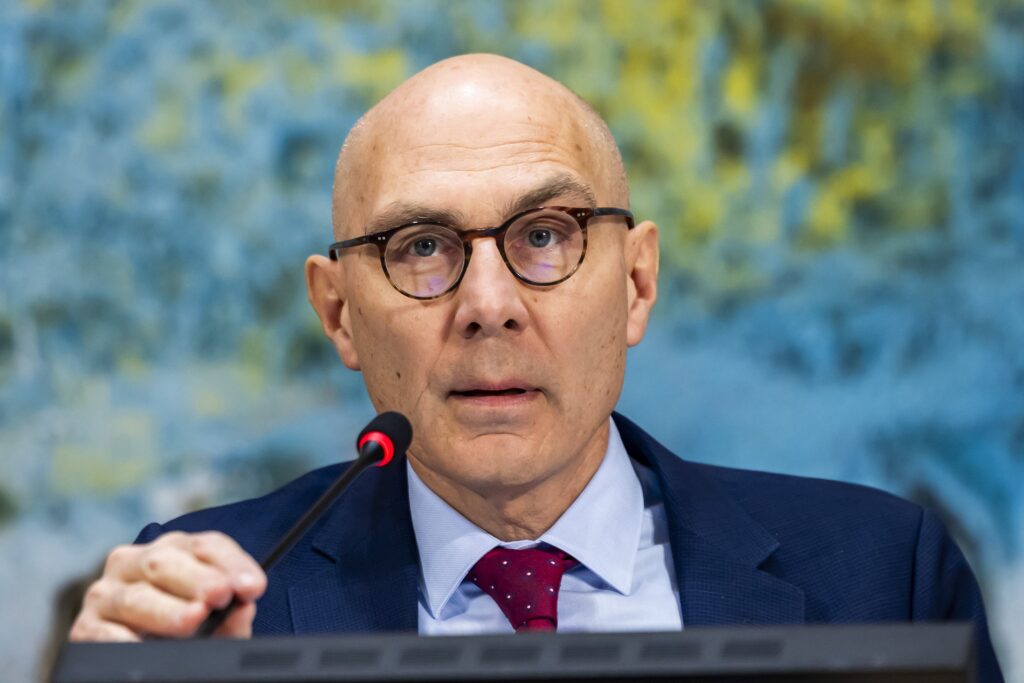
Türk argued that lasting peace cannot be separated from the conditions under which people live, insisting that societies marked by discrimination and oppression remain vulnerable to instability.
He called for women-led civil society organisations to be treated as full partners in peace and security efforts rather than as peripheral participants in processes traditionally dominated by governments, security institutions and international organisations.
The High Commissioner also urged policymakers to broaden their understanding of security beyond military preparedness.
“Equality; impartial institutions for policing and accountability; economic and social justice; non-violent mediation; and governance that fulfils people’s human rights make a society far safer than spiralling military budgets that choke off spending for essential services.”
Volker Türk
The argument places governance, justice and access to basic services alongside traditional security measures. In this framework, institutions that protect rights and provide fair access to economic and social opportunities can help address grievances before they develop into deeper sources of instability.
Türk further described human rights protection as an investment in societies’ ability to withstand future crises.
“Upholding human rights is an investment in enduring social cohesion. It builds societies that are resilient to shocks, because they are fair.”
Volker Türk
For women, however, meaningful participation requires more than symbolic inclusion.
Türk called for women to have an equal role in decisions affecting their communities and countries, rejecting the idea that gender equality should be treated as a concession.
Meanwhile, the UN human rights office is working with women human rights defenders and seeking to expand their access to international mechanisms.
Türk cited efforts supporting accountability for conflict-related sexual violence in Sudan and the Democratic Republic of the Congo, alongside support for women mediators and leaders across Africa.
The High Commissioner’s message therefore calls for a shift in how conflict prevention itself is understood from a system centred primarily on responding to violence towards one that also addresses inequality, discrimination, weak institutions and exclusion.
READ ALSO: Prof. Annim Prescribes Five Fixes to Strengthen Africa Statistics and Policy Links