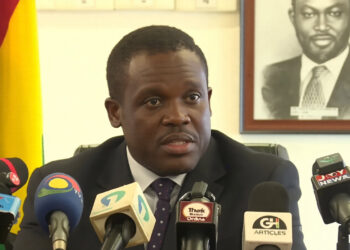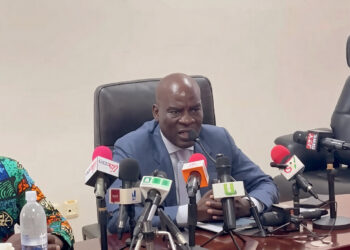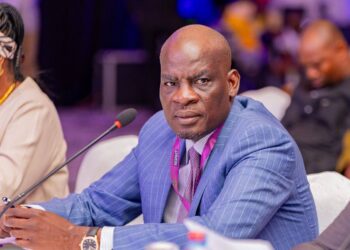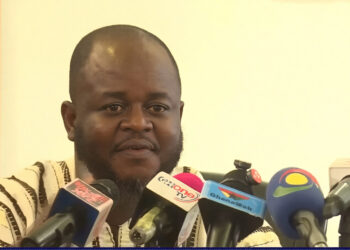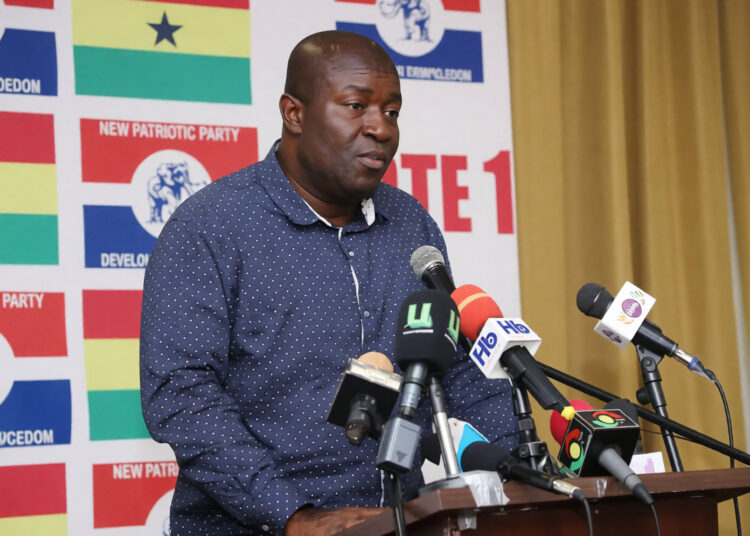
Newly elected Third Vice Chairman of the New Patriotic Party, Nana Akomea, has disclosed that he expected to finish either first or second in the party’s national vice chairmanship election. He explained that although he was disappointed by the outcome, the narrow margins among the leading candidates showed how competitive the contest had been.
Nana Akomea polled 2,987 votes at the NPP National Delegates Conference in Kumasi to secure the third vice chairmanship position. Kojo Fosu Boadu emerged First Vice Chairman with 3,160 votes, followed by Henry Nana Boakye with 3,061 votes, while Mustapha Abdul-Hamid narrowly missed the final position after obtaining 2,956 votes.
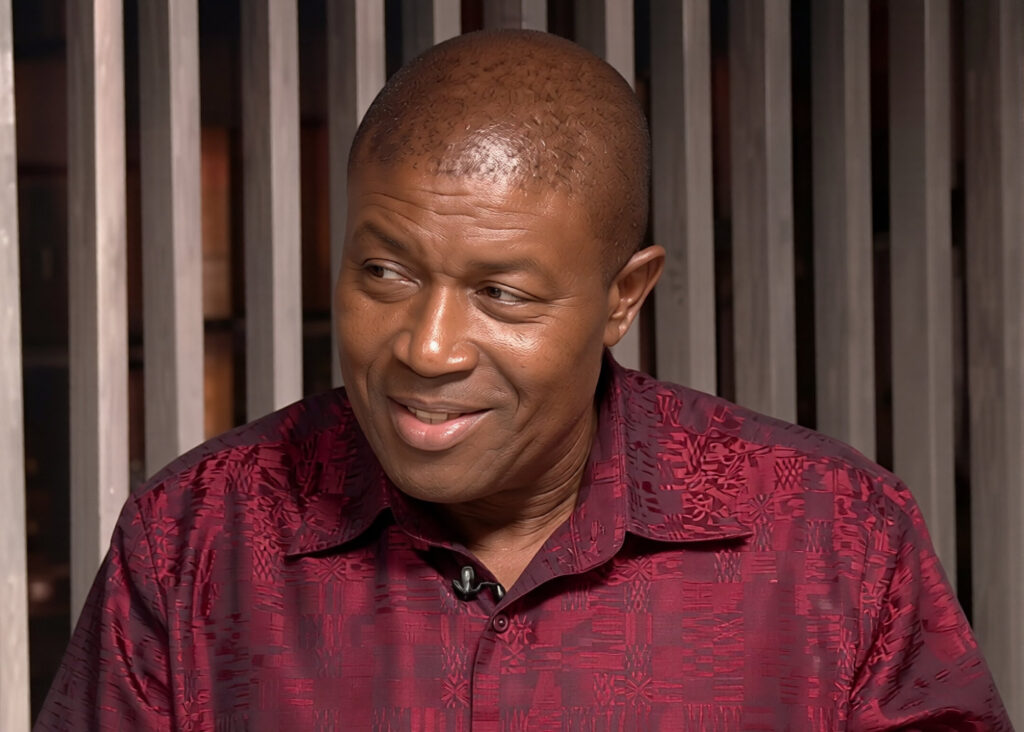
In addition, he indicated that the close figures made the outcome difficult to predict, despite his personal expectation of securing a higher position.
“I had expected to be first or second, not third. That disappointed me a little, but I knew it was going to be tough.”
Nana Akomea
Nana Akomea further explained that he did not rely heavily on opinion polls during the campaign because the NPP election involved a relatively defined electoral college. He argued that direct interaction with delegates provided candidates with a more immediate indication of how their messages were being received.
Meanwhile, the NPP’s National Delegates Conference produced a new executive team that will lead the party for the next four years. John Boadu was elected National Chairman with 2,888 votes, while Justin Frimpong Kodua retained the General Secretary position with 4,486 votes.
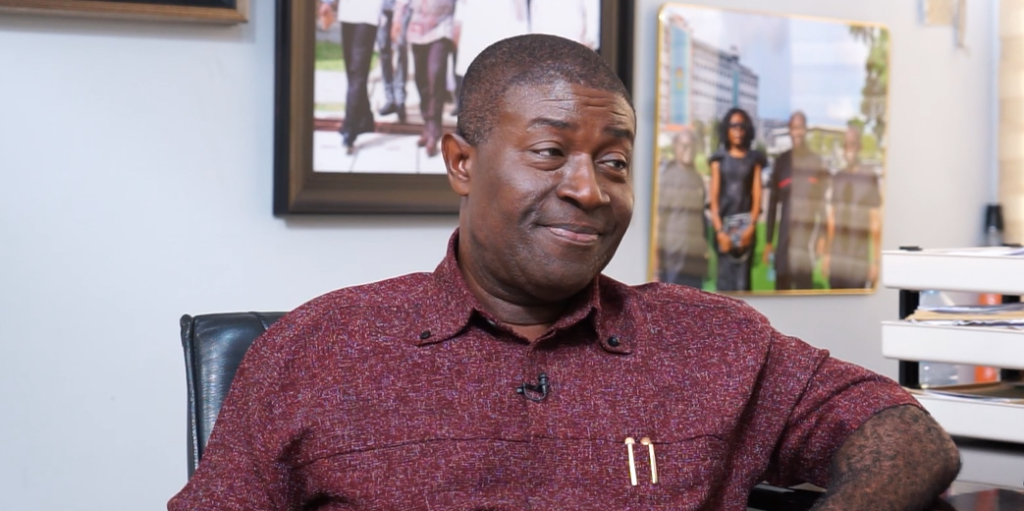
Nana Akomea’s election places him among the three Vice Chairpersons responsible for supporting the new national leadership. The new executive is expected to oversee the party’s organisation as the NPP prepares for the 2028 general election.
Nana Akomea Explains Low-Key Campaign for NPP Vice Chairmanship
In explaining why his campaign was deliberately conducted without the extensive paraphernalia used by several other candidates, the newly elected Third Vice Chairman of the New Patriotic Party, Nana Akomea disclosed that he entered the contest with only five weeks to campaign and chose to prioritise direct engagement with delegates over posters, billboards, branded clothing and large convoys.
Nana Akomea explained that other aspirants began preparing for the contest before nominations formally opened, giving them more time to establish their campaigns. He therefore had the shortest campaign period after the nomination process, but deliberately used the limited period to test whether personal engagement could be more effective than an elaborate campaign structure.
The newly elected Third Vice Chairman revealed that he travelled with a single vehicle while some candidates moved around with several cars and advance teams. He noted that his modest campaign presence sometimes caused delegates to mistake his vehicle for an advance team because of the larger convoys associated with other aspirants.
“I wanted to experiment to see if you can conduct a successful campaign without too much paraphernalia. I’ve always believed that the contact with the voter, or in this case, the delegates, is the most important part.”
Nana Akomea
Nana Akomea also explained that he did not produce campaign T-shirts, caps, posters or billboards throughout the contest. He argued that such materials could distract delegates from the central purpose of an internal election, which he identified as communicating a candidate’s message directly to the electorate.
The former Okaikwei South MP recounted instances where delegates were wearing the campaign materials of other aspirants when he arrived at meetings. Instead of asking them to remove the items, he encouraged them to keep wearing them and focused on presenting his own message.
According to Nana Akomea, the approach was consistent with his experience working on Dr Mahamudu Bawumia’s campaign, where he had also advocated a reduction in excessive campaign displays. He explained that he had encouraged campaign organisers to reduce songs, visual displays and other activities that could consume the limited time available for direct engagement.
The strategy produced a campaign that he described as “low-key but deliberate.” Nana Akomea reiterated that his objective was to meet delegates directly and assess their reactions to his message instead of relying on the visibility generated by campaign materials.
READ ALSO: Africa’s Energy Table Is Becoming A Fight For Capital