Ghana expects to stop procuring liquid fuels for electricity generation in 2027, as increased reliance on domestic natural gas and supplies from Nigeria reduces the country’s exposure to costly diesel and heavy fuel oil imports.
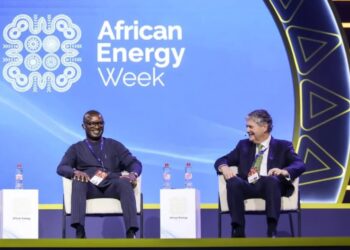
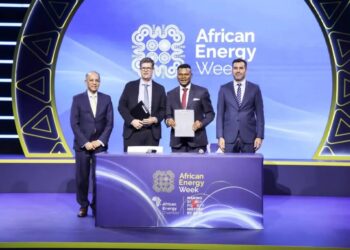
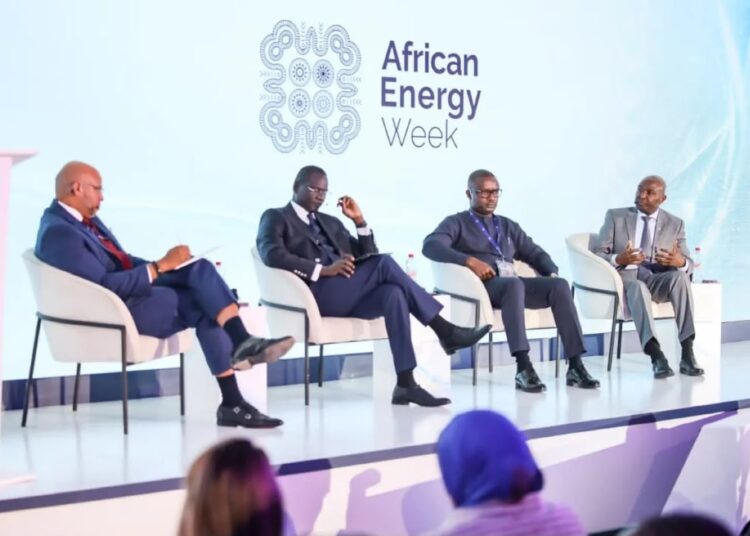
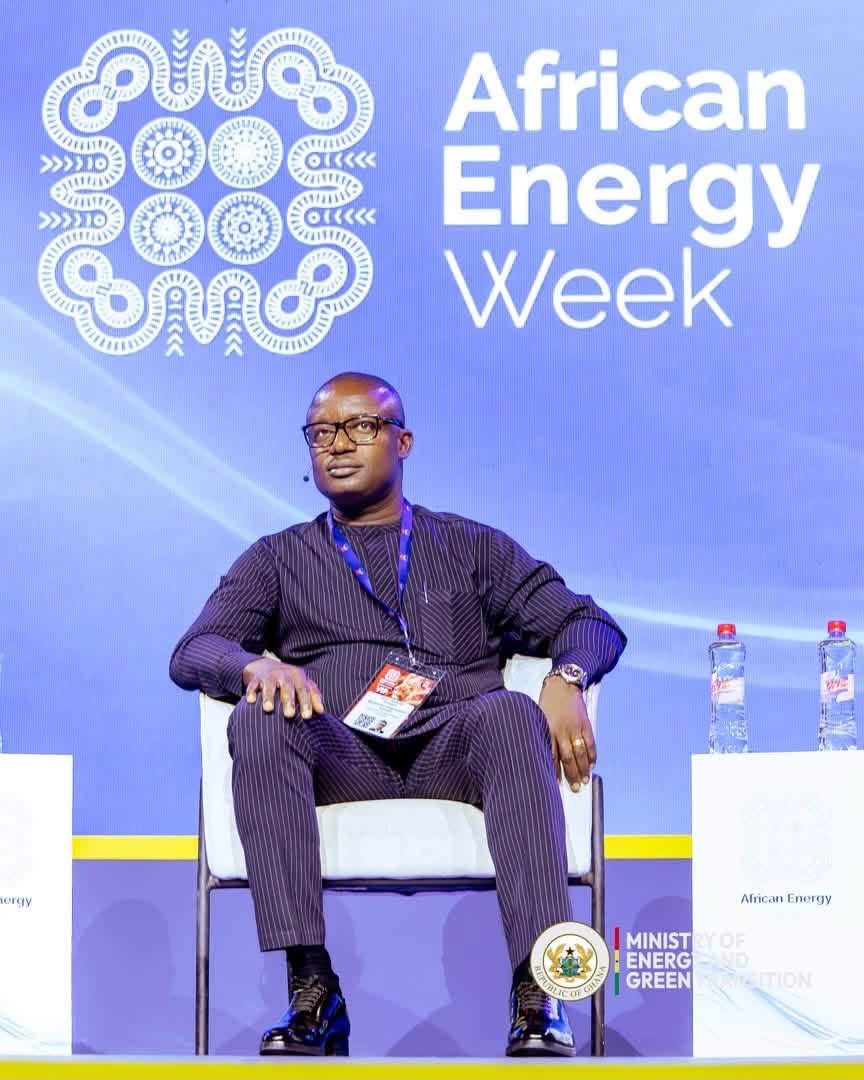
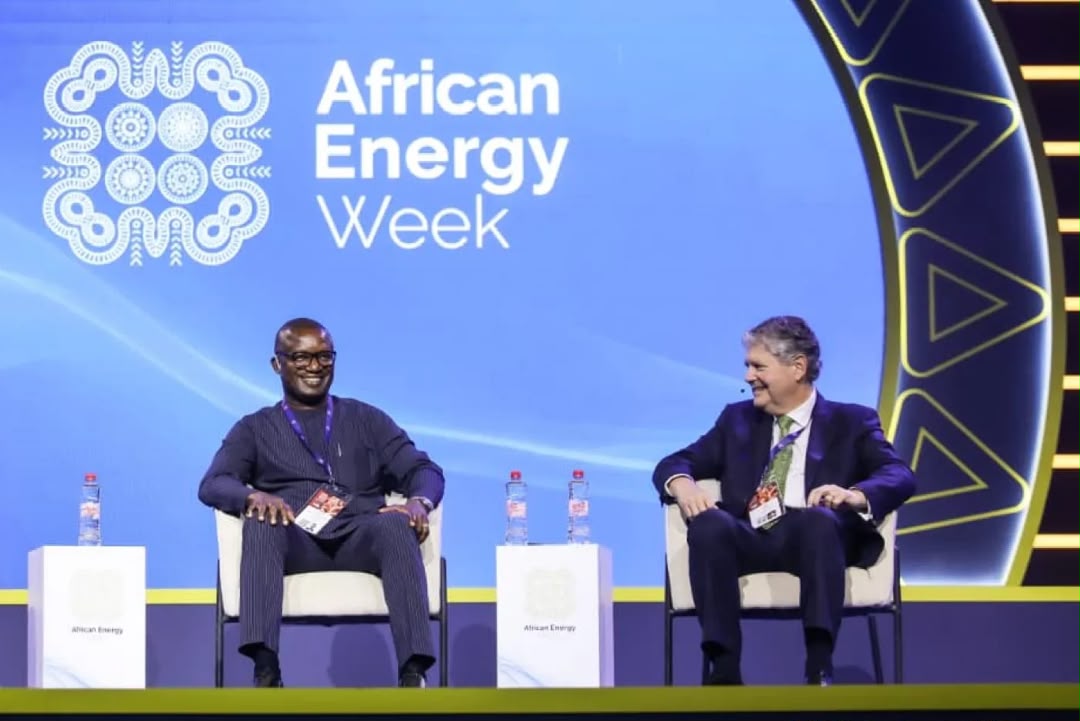
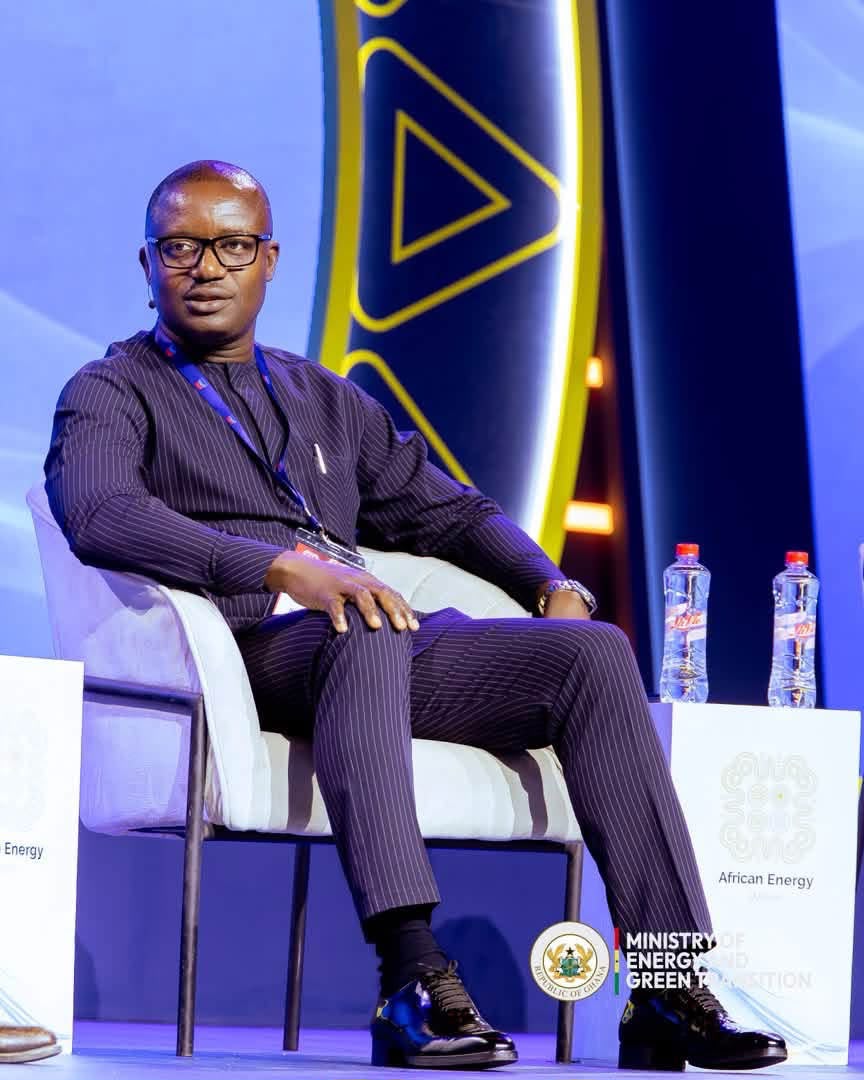
Minister for Energy and Green Transition John Abdulai Jinapor announced the target during a strategic session hosted by the Gas Exporting Countries Forum (GECF) at African Energy Week (AEW) 2026 in Cape Town, where African energy leaders discussed how countries can balance gas exports with domestic energy needs.
According to Jinapor, Ghana has already reduced the number of liquid fuel cargoes procured for power generation from eight to two, reflecting a shift towards gas-fired electricity production.
The minister said the transition had generated approximately $500 million in savings in a single year through import substitution, even as electricity demand continues to grow by about 10% annually.
The development highlights the financial importance of securing reliable gas supplies for Ghana’s thermal power plants. Reducing dependence on imported liquid fuels could ease pressure on the country’s energy-sector finances, although achieving the 2027 target will depend on the availability of gas, the reliability of supply infrastructure and the operational requirements of the generation fleet.
Ghana Prioritises Gas For Power And Industry
Jinapor said Ghana’s gas policy prioritises domestic processing, with available supplies directed first towards electricity generation and then industrial use.
The approach places gas at the centre of efforts to meet rising electricity demand while supporting industrial activity. It also reflects the potential for gas to reduce reliance on more expensive imported fuels, particularly when thermal plants can operate on available domestic or regional supplies.
Nigeria remains an important supplier through the West African Gas Pipeline, and Jinapor said Ghana expects to double the volumes received under its existing agreements.
That expansion would increase the importance of cross-border infrastructure and cooperation between the two countries.
However, the expected increase in Nigerian gas supplies will need to translate into reliable deliveries if Ghana is to sustain lower liquid fuel procurement and meet its target of ending such purchases for power generation.
Ghana is also constructing a 278-kilometre pipeline intended to connect its main power centres. The project forms part of the wider infrastructure effort to strengthen gas distribution within the country and support the use of gas in electricity generation.
Alongside the infrastructure programme, the government is using a levy on pump fuel to support liquefied petroleum gas (LPG) adoption, with a target of reaching 50% penetration within three years.
The LPG initiative adds a household and end-user dimension to the country’s gas strategy, extending its focus beyond power generation and industrial consumption.
Senegal Seeks To Balance LNG Exports With Domestic Demand
Ghana’s plans formed part of a broader discussion about how African gas producers can benefit from exports without leaving domestic economies short of the fuel needed for power generation and industrial development.
Senegal, which began exporting liquefied natural gas in 2025, faces a related challenge as it develops its gas sector and seeks to expand domestic supply.

El Hadji Abdourahmane Diouf, Senegal’s Minister of Energy and Petroleum, said companies could prioritise export markets, leaving governments responsible for ensuring sufficient gas is available for domestic use.
Senegal is targeting domestic gas supply of approximately 150 million standard cubic feet per day by 2030. The plan involves developing a national gas network to deliver supplies to power plants across the country.
Diouf said the pipeline network, which has experienced delays, is expected within nine months.
The infrastructure is central to Senegal’s ambition to translate gas production into domestic energy benefits. Export revenues can provide economic opportunities, but domestic distribution networks are needed to ensure that gas can reach power stations and support electricity supply.
Senegal’s experience illustrates a wider issue for emerging gas exporters: production and export capacity alone do not guarantee that domestic consumers and industries will have access to the resource.
GECF Rejects An Either-Or Approach To Gas
Philip Mshelbila, Secretary General of the Gas Exporting Countries Forum, argued that African countries should not view gas exports and domestic utilisation as competing objectives.
“Exports mobilize capital, revenue and investment confidence. Domestic utilization is the development multiplier.”
Mshelbila described the perceived conflict between exports and domestic use as “a false choice,” arguing that both can contribute to economic development when supported by appropriate investment and infrastructure.
The GECF’s Global Gas Outlook projects that African gas demand will more than double, rising from 175 billion cubic metres in 2024 to approximately 374 billion cubic metres by 2055.
The projected increase points to the scale of the infrastructure and investment required to support the continent’s future gas market.
Countries will need to expand supply, improve distribution networks and develop the capacity to move gas between markets if demand is to be met reliably.
For Ghana, the outlook reinforces the importance of ensuring that rising electricity demand does not outpace the availability of gas and the infrastructure required to deliver it.
The country’s efforts to increase Nigerian imports and connect major power centres will therefore be important to its longer-term gas strategy.
Regional Infrastructure Remains A Critical Gap
The discussion also highlighted the limited level of gas trade within Africa.
Oliver Onyekweli, Partner at McKinsey & Company and moderator of the session, noted that only around 3% of gas commercialised in Africa is traded within the continent.
The figure points to a disconnect between Africa’s gas resources and the development of a more integrated regional market.
Despite substantial production and export potential in several countries, cross-border trade remains limited, restricting the ability of markets to share available supplies.

Mshelbila said regional cooperation, gas storage and cross-border infrastructure would be important in strengthening African markets against future supply disruptions.
He cited the Greater Tortue Ahmeyim project involving Senegal and Mauritania as an example of regional cooperation in gas development.
For West Africa, improved cooperation could create opportunities to connect producers and consumers more effectively.
Ghana’s reliance on Nigerian gas through the West African Gas Pipeline demonstrates how cross-border supply can support domestic electricity generation, while also exposing the country to the importance of dependable regional deliveries.
Expanding regional gas trade, however, requires more than available resources. Pipeline capacity, commercial agreements, financing and coordination between participating countries all influence whether gas can move reliably to where it is needed.
Gas Seen As A Driver Of Industrial Development
African Energy Chamber Executive Chairman NJ Ayuk described natural gas as a versatile resource with applications across several parts of the economy.
Ayuk called gas a “Swiss knife” for African development, pointing to its potential uses in electricity generation, petrochemicals and fertiliser production.
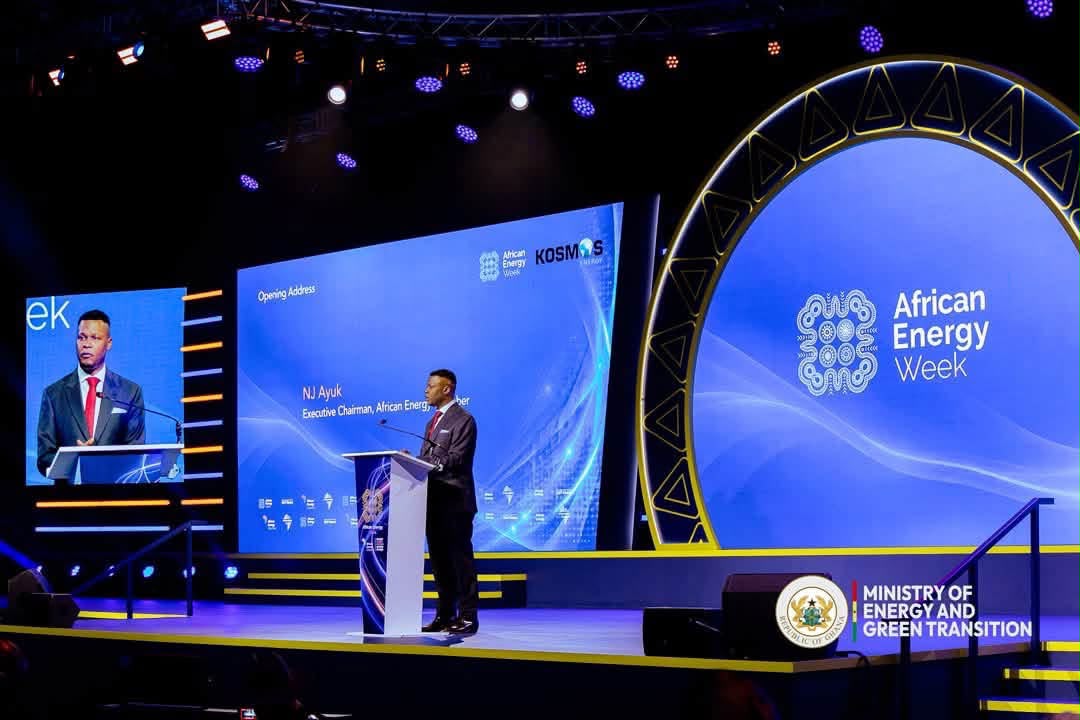
“We are a gas continent before an oil continent,” he asserted.
The argument places gas within a broader industrial development agenda rather than treating it solely as a fuel for power generation or an export commodity.
In Ghana, the government’s prioritisation of power generation followed by industrial use reflects this approach.
Reliable gas supply can support electricity production, while access to gas can also create opportunities for industrial activity that depends on affordable and dependable energy.
Nevertheless, realising those benefits requires investment in processing, transportation and distribution, as well as sufficient supply to meet competing demands from power producers and other consumers.
Ghana’s Gas Master Plan Under Review
Ghana’s gas strategy is also being shaped by a review of its gas master plan, which provides a 15-year framework for infrastructure development and budgeting.
The review comes as the country seeks to reduce liquid fuel procurement, increase gas imports from Nigeria, strengthen domestic pipeline connections and expand LPG adoption.
Taken together, these measures point to a strategy that depends on both supply security and infrastructure development.
The expected end of liquid fuel procurement for power generation in 2027 would mark a significant shift if the country can sustain adequate gas supplies and ensure that its power plants can rely on them.
The $500 million in reported savings provides an indication of the potential financial benefits of replacing imported liquid fuels with gas. But the durability of those gains will depend on the cost and reliability of gas supplies, the delivery of planned infrastructure and the ability of the energy system to accommodate continued demand growth.
The discussions at AEW 2026 underscored a common challenge facing African gas producers and consumers: turning gas resources into reliable domestic energy while retaining the investment and revenue benefits of exports.
For Ghana, the immediate test is whether its domestic gas policy, Nigerian supply agreements and infrastructure investments can support the government’s 2027 target without compromising electricity generation as demand continues to rise.
READ ALSO: Peugeot Unveils 816-HP Electric Beast That Hits 62 MPH in 2.5 Seconds