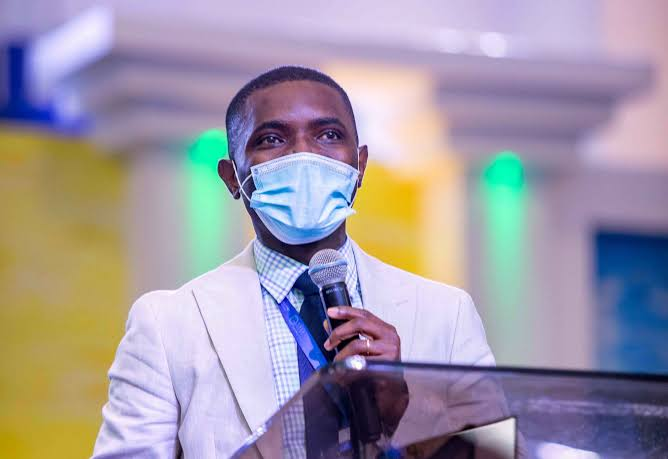
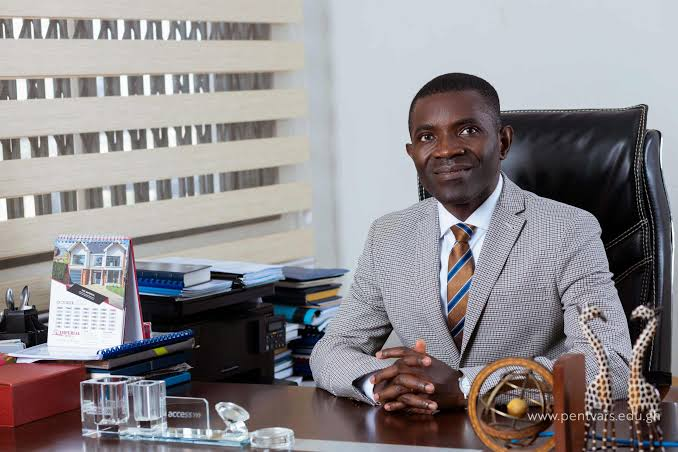
The Vice-Chancellor of Pentecost University, Rev. Prof. Kwabena Agyapong-Koduah, has called for greater investment in equipping Africa’s youth with the skills to drive economic growth and sustainable development.
He spoke at ICESDA 2026 in Accra, where he identified the low enrolment of higher education students in technology and sustainability-related fields as a challenge to Africa’s environmental, social and governance goals.
Rev. Prof. Agyapong-Koduah argued that the continent starts from a position of strength because it has the world’s youngest population, yet most of its young people are not being trained in the disciplines that development requires. His proposed answer is to equip them deliberately with relevant sustainable, scientific, technological and developmental skills.
“The solution, I believe, is to intentionally equip young people with relevant sustainable scientific, technological and developmental skills for economic growth.”
Vice-Chancellor of Pentecost University, Rev. Prof. Kwabena Agyapong-Koduah
Africa Starts from Strength
Rev. Prof. Agyapong-Koduah reminded the gathering that Africa does not begin this task from a place of desperation. The statistics, he stated, are favourable.
He disclosed that 60 percent of Africa’s population is young and trainable, below the age of 25. He added that about 19 percent of the world’s population aged 15 to 24 is found in Africa. In Ghana alone, he stated, between 38 and 40 percent of the population falls within the youthful bracket. He drew a plain conclusion from those figures. Africa, he stated, is “the most youthful continent in the world”.
A Gap in Higher Education Enrolment
The picture changes, he explained, when the figures turn to what young Africans study. He cited the African Development Bank, which reports that only about a quarter of African higher education students are enrolled in technology, science, development, agriculture, engineering and sustainability-related disciplines.
He then posed the question that followed from that figure. If the continent has such a need for these skills, he asked, what is happening to the remaining 75 percent?
The answer, he stated, is that young people are not being equipped with the relevant skills for economic growth, the creation of decent work and entrepreneurship. The same gap affects agriculture, sustainable cities, clean and affordable energy, technology and the other critical areas that development requires.
Rev. Prof. Agyapong-Koduah insisted that the situation offers hope, not only concern. Because the young population is large and trainable, the continent can change course by changing what its young people learn.
“If we turn the dial, we have the solution.”
Vice-Chancellor of Pentecost University, Rev. Prof. Kwabena Agyapong-Koduah
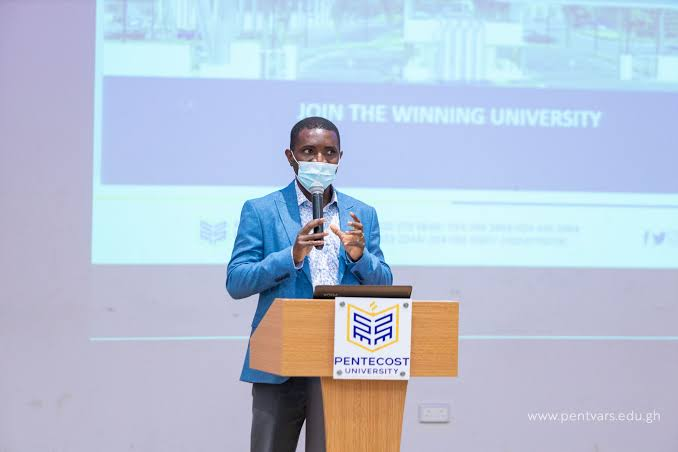
He described the solution as straightforward. In his view, higher education must intentionally equip young people with relevant sustainable, scientific, technological and developmental skills for economic growth. He repeated the point for emphasis because he considered it crucial to the discussion at ICESDA 2026.
A University Agenda at Pentecost
Rev. Prof. Agyapong-Koduah disclosed that Pentecost University has adopted this approach as part of its institutional agenda.
His remarks tie the challenge to higher education. Only a quarter of students enter the fields he listed, which he linked to the pace at which Africa can meet its environmental, social and governance goals.
The Vice-Chancellor closed on a note of optimism. Africa’s youth population, he suggested, is its greatest asset, provided the continent trains it for the work that growth requires.
READ MORE: GTEC Urged to Focus on its Legal Mandate