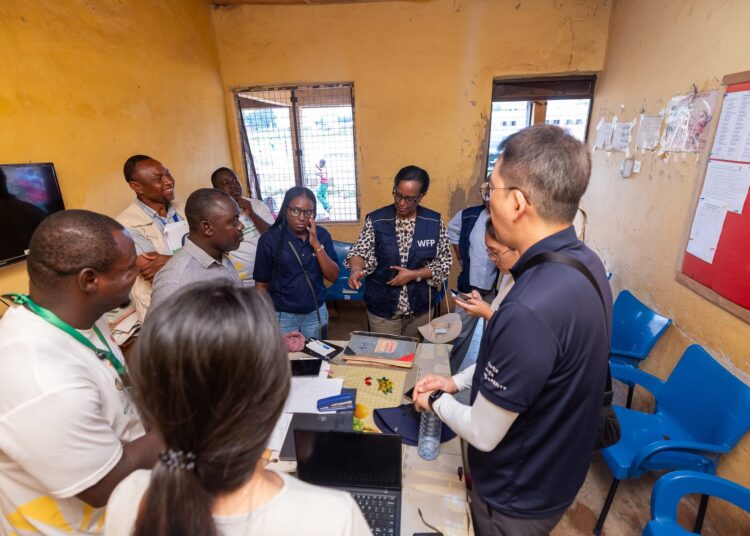
The Republic of Korea, through its development cooperation agency, the Korea International Cooperation Agency (KOICA), has intensified efforts to strengthen Ghana’s food and nutrition security through digital innovation, youth economic empowerment and improved agricultural livelihoods, following a joint monitoring mission to the Northern Region.
The mission, undertaken by the Embassy of the Republic of Korea, KOICA Ghana Office and the United Nations World Food Programme (WFP), assessed the implementation of the Korea-funded project, Youth Economic Empowerment through Digitalization for Resilience in Food and Nutrition Security and Improved Livelihoods.
The engagement provided an opportunity for the development partners to evaluate progress, interact with beneficiaries and assess how digital technologies are being deployed to address challenges affecting agricultural productivity, financial inclusion, food security and livelihood development in northern Ghana.
“WFP recognises the transformative power of digital technologies in addressing poverty, food insecurity and unemployment. We are committed to working with the government and partners to narrow the digital divide in Ghana.”
WFP Country Director in Ghana, Aurore Rusiga
Digital Investment Targets Youth and Agricultural Resilience
The monitoring exercise comes against the background of persistent food security challenges and the need to improve the economic participation of young people, particularly in communities where agriculture remains a major source of employment and household income.
The project, launched in February 2025, is supported by a US$9.3 million contribution from the Government of the Republic of Korea through KOICA and is being implemented by WFP over five years, from October 2024 to December 2028.
It is expected to benefit approximately 15,500 Ghanaians, particularly young people, through access to digital skills, mobile technologies, precision farming systems and agricultural information platforms.
The initiative is also being implemented across 56 districts in six regions of Ghana, with the broader objective of strengthening the resilience of food systems, improving nutrition and creating sustainable livelihood opportunities.
Its implementation is particularly relevant to Ghana’s food security situation. According to the Ghana Statistical Service’s Food Insecurity Report released in February 2026, approximately 12.5 million people, representing 38.1 per cent of the population, experienced food insecurity between the first quarter of 2024 and the third quarter of 2025.
The report further identified geographical and gender inequalities in food insecurity, highlighting the need for interventions that strengthen household incomes, improve agricultural production and support vulnerable communities.
The project therefore seeks to address some of these structural challenges by combining digital technology with practical economic opportunities, particularly for young people and smallholder farmers.
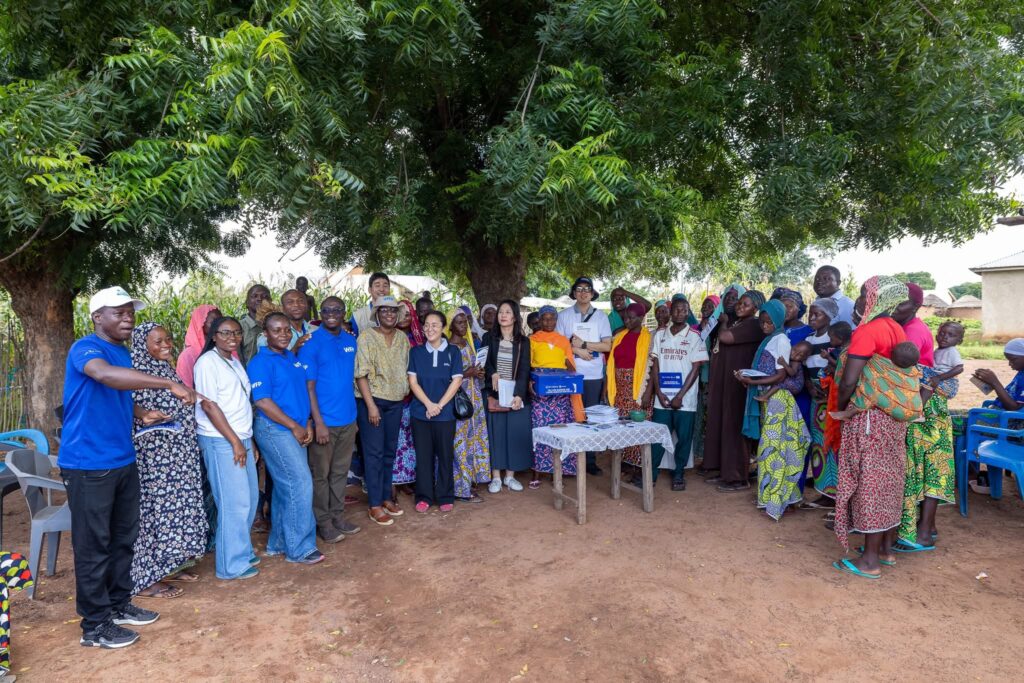
At the implementation level, the joint delegation paid a courtesy call on the Northern Regional Minister before visiting four intervention areas to examine how the project is translating its objectives into community level outcomes.
“This new project represents our shared commitment to empowering the youth through digitalisation to enhance food and nutrition security and improve livelihoods in Ghana.”
WFP Country Director in Ghana, Aurore Rusiga
Digital Systems Strengthen Community Interventions
One of the key areas assessed was the Village Savings and Loan Associations (VSLAs), where the delegation engaged members to understand how digitalisation is improving savings mobilisation, financial inclusion and access to credit within participating communities.
The delegation also visited the Ghana Statistical Service (GSS) to examine the mobile Vulnerability Analysis and Mapping (mVAM) initiative.
The system uses digital data collection and monitoring approaches to provide timely information on household vulnerability and food security conditions.
The use of such systems also supports the broader objective of strengthening Ghana’s capacity to monitor food insecurity and respond to emerging challenges.
The intervention is significant given the programme’s expanding national coverage.
According to UNICEF’s 2025 Social Protection Budget Brief, the number of pupils benefiting from the Ghana School Feeding Programme increased from 2.85 million in 2019 to approximately 4.03 million in 2024, representing a 41.5 per cent increase.
“The number of pupils covered under the Ghana School Feeding Programme grew by 41.5 per cent, from 2.85 million in 2019 to 4.03 million in 2024.”
UNICEF
Mobile Knowledge Hub Supports Farmers
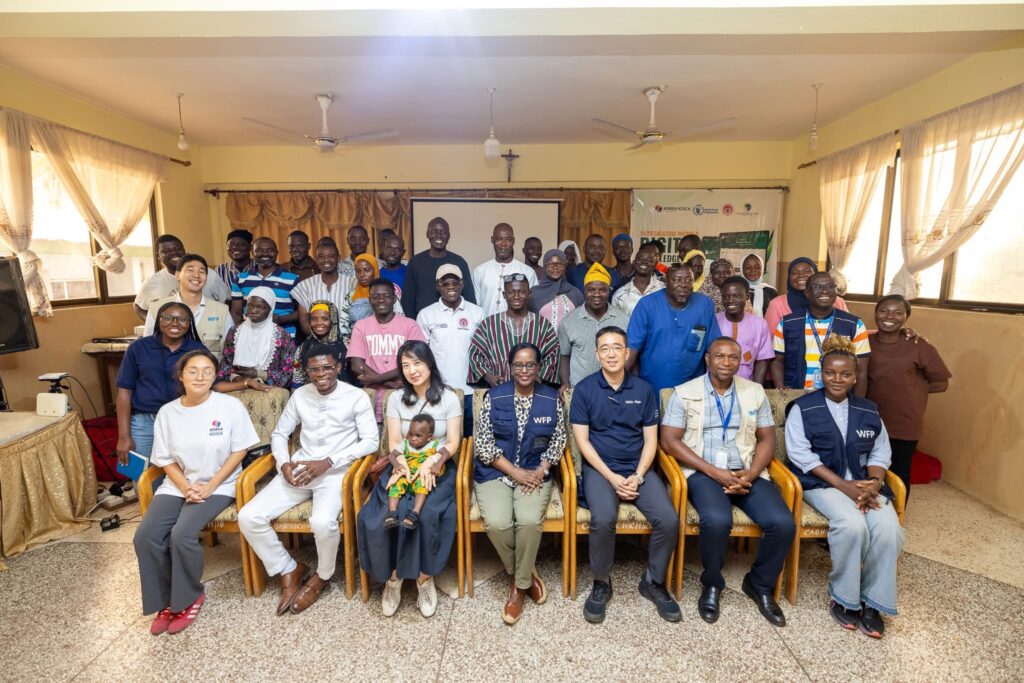
The fourth intervention area was the Mobile Knowledge Hub, where the delegation participated in a digital platform validation session involving smallholder farmers and Agricultural Extension Officers.
The engagement focused on assessing the platform’s relevance, accessibility and effectiveness in delivering agricultural information to farmers.
Through the Mobile Knowledge Hub, farmers are expected to benefit from improved access to agricultural knowledge and practical guidance that can support decision-making throughout the production cycle.
The involvement of Agricultural Extension Officers is also important because it creates an opportunity to connect digital information with professional agricultural advisory services at the community level.
Beyond the individual interventions, the joint monitoring mission emphasised accountability, effective utilisation of development resources and the importance of incorporating feedback from beneficiaries into project implementation.
The Government of the Republic of Korea, through KOICA, continues to support Ghana’s development priorities by providing financial and technical assistance aimed at strengthening institutional capacity and expanding access to innovative solutions.
“For every GHS 1.00 invested, a return of GHS 3.30 is realised.”
WFP Country Director in Ghana, Aurore Rusiga
The joint monitoring mission therefore provides an important opportunity for the partners to assess progress, identify implementation gaps and strengthen collaboration towards ensuring that the benefits of digital innovation reach the communities and young people the project is designed to support.