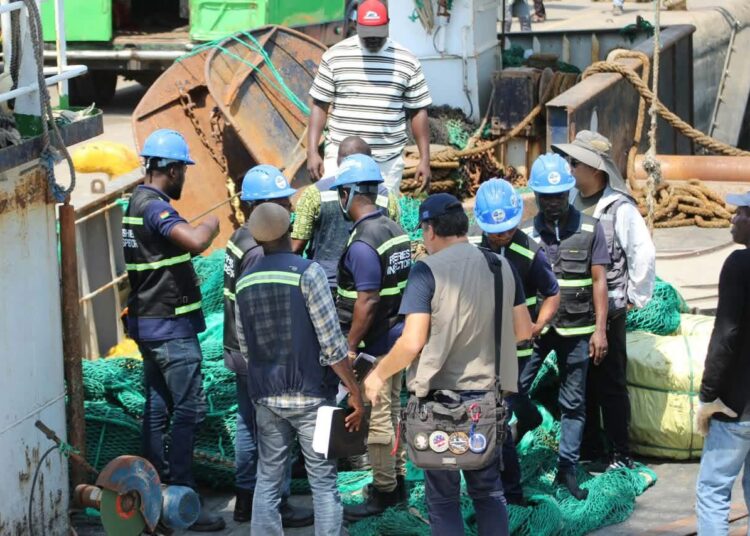
The European Fisheries Control Agency (EFCA), through the European Union-funded West Africa Sustainable Ocean Programme (WASOP), is undertaking a specialised mentorship training programme to strengthen Ghana’s fisheries monitoring, inspection and enforcement systems.
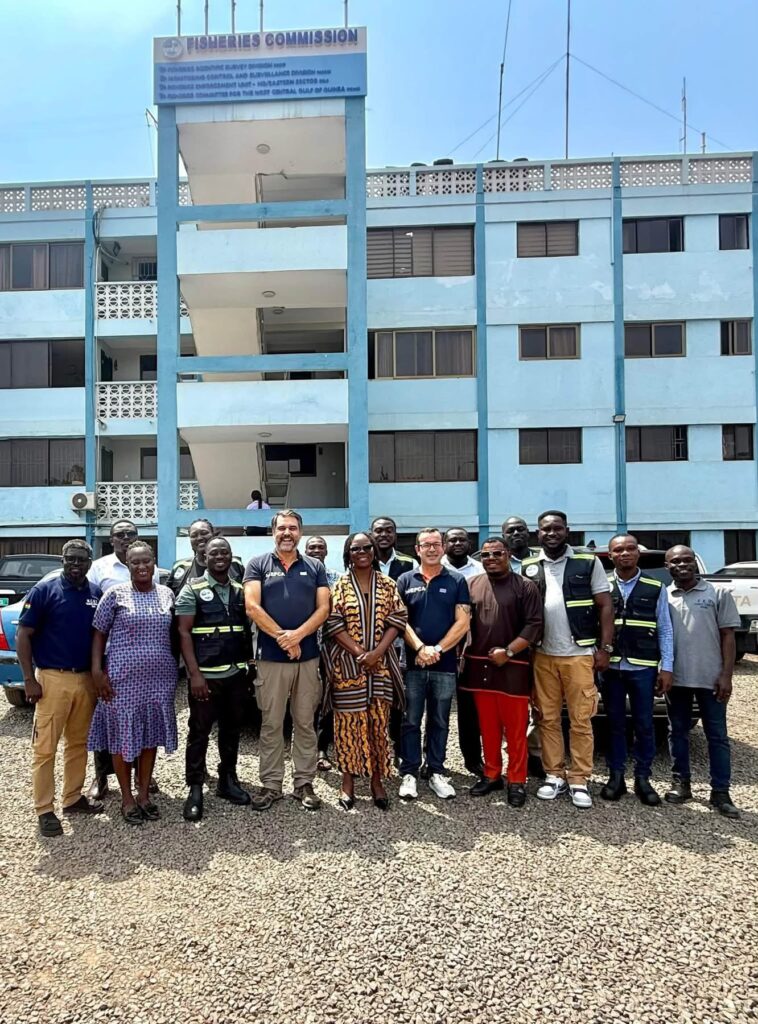
The programme, running till November 13, 2026, is targeting officers of the Fisheries Commission’s Monitoring, Control and Surveillance Division (MCSD) in Tema and Takoradi, two important maritime locations in Ghana’s fisheries and port operations.
The initiative combines classroom-based instruction with practical, on-site mentorship, providing officers with opportunities to strengthen their technical knowledge and apply effective fisheries control procedures within their operational environments.
“The mentorship programme is designed to strengthen the technical capacity of fisheries officers and improve the effectiveness of monitoring, control and surveillance operations.”
European Fisheries Control Agency (EFCA
The intervention comes at a critical time when Ghana continues to confront challenges associated with illegal, unreported and unregulated (IUU) fishing, declining fish stocks and the need to improve compliance with national fisheries regulations.
Strengthening Inspection and Enforcement Capacity
The training places particular emphasis on improving the professional competencies of fisheries officers responsible for monitoring fishing activities, conducting inspections and enforcing fisheries laws.
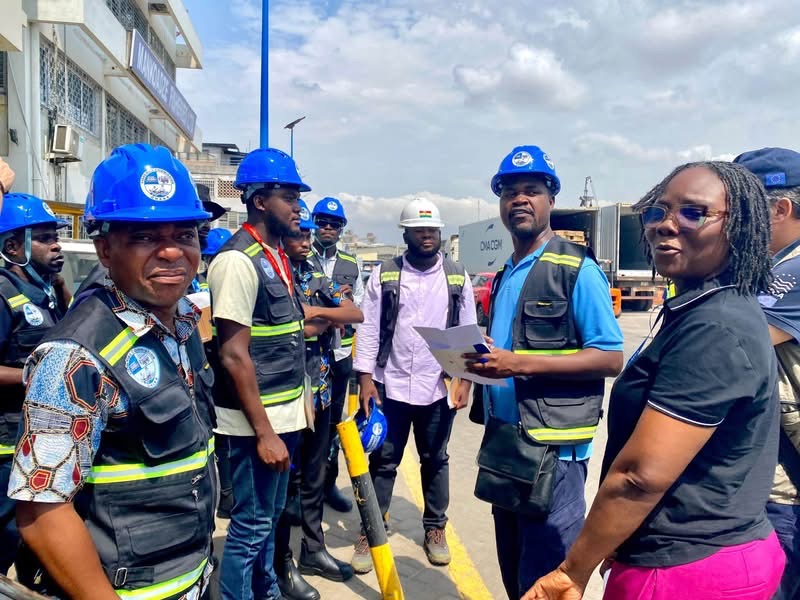
Through the combination of theoretical sessions and practical mentorship, participants are expected to deepen their understanding of fisheries inspection procedures, surveillance operations, regulatory compliance and effective enforcement approaches.
The involvement of EFCA provides an opportunity for Ghanaian officers to benefit from specialised European expertise in fisheries control and monitoring. The practical component is particularly important because it allows participants to translate classroom knowledge into operational skills that can be applied during vessel inspections, port monitoring and other enforcement activities.
The Fisheries Commission’s MCSD plays a central role in protecting Ghana’s fisheries resources. Its responsibilities include monitoring fishing vessels through Vessel Monitoring Systems (VMS) and Automatic Identification Systems (AIS), conducting surveillance operations and enforcing the Fisheries Act, 2002 (Act 625), alongside relevant fisheries regulations.
The division also undertakes beach patrols, sea surveillance, closed-season monitoring and supervised transshipment activities at the ports of Tema and Takoradi.
These responsibilities require officers to possess strong technical capabilities, sound knowledge of fisheries legislation and the ability to identify and respond to violations.
“Effective monitoring, control and surveillance are essential to detecting illegal fishing activities, ensuring regulatory compliance and protecting the country’s marine resources.”
European Fisheries Control Agency (EFCA)
According to the Ministry of Food and Agriculture, the MCSD also works with institutions including the Ghana Navy, Ghana Maritime Authority, Marine Police and other enforcement agencies to strengthen fisheries governance and support the prosecution of offenders.
The mentorship programme therefore has the potential to improve coordination between technical inspection activities and the broader enforcement framework.
Tackling Illegal Fishing and Resource Depletion
Data from the National Development Planning Commission’s 2024 Annual Progress Report indicates that fisheries related activities employed an estimated 10 per cent of the population, while fish accounted for approximately 60 per cent of animal protein consumption.
The report further indicates that marine fish production increased from 425,361 metric tonnes in 2023 to approximately 442,361 metric tonnes in 2024.
However, inland fisheries production declined from 147,583 metric tonnes to 131,552 metric tonnes within the same period.
These figures demonstrate the importance of protecting existing fish stocks while strengthening sustainable production across the different subsectors.
Illegal fishing practices, including unauthorised trans-shipment, the capture of juvenile fish and fishing in restricted areas, continue to undermine conservation efforts.
Also, research and national fisheries management reports have also identified overfishing and IUU fishing as major threats to the sustainability of Ghana’s marine resources.
“Protecting fisheries resources requires consistent surveillance, effective enforcement and the capacity to ensure that all fishing operators comply with established regulations.”
European Fisheries Control Agency (EFCA)
Building Sustainable Fisheries Governance
The West Africa Sustainable Ocean Programme provides a regional framework for addressing challenges affecting marine resources, including unsustainable fishing practices, weaknesses in fisheries monitoring and the need for stronger cooperation among coastal countries.
By supporting practical knowledge transfer, the programme contributes to building a fisheries enforcement system that can respond more effectively to emerging operational and regulatory challenges.
The focus on officers stationed in Tema and Takoradi is also significant because both locations are important to fisheries-related port activities, vessel inspections and the monitoring of fishing operations.
Improved inspection procedures can support better documentation of fishing activities, strengthen compliance checks and help enforcement authorities identify irregularities before they undermine resource management efforts.
The intervention also aligns with the broader objectives of Sustainable Development Goal 14, which calls for the conservation and sustainable use of oceans, seas and marine resources.
“Sustainable fisheries management depends not only on regulations but also on the ability of institutions and their officers to implement and enforce them effectively.”
European Fisheries Control Agency (EFCA)
As the programme continues through November 13, 2026, the practical knowledge and technical competencies acquired by participating officers are expected to contribute to stronger inspection practices and improved fisheries surveillance.
READ ALSO:Asiama Reveals Bold Reforms Transforming Ghana’s Banking Sector