
The Ghana Gold Board (GoldBod) and the Government of Ghana have unveiled a pivotal 3 per cent discount on small-scale gold purchases set for rollout in 2027, a strategic intervention engineered to slash foreign exchange generation costs and retain greater national wealth from the country’s mineral output.
By adjusting procurement pricing across the artisanal and small-scale mining (ASM) value chain, policymakers intend to compress the baseline expenditure of accumulating international reserves from 5 per cent in 2026 down to roughly 2 per cent next year.
This fiscal calibration represents an aggressive push to ensure that Ghana’s booming bullion trade translates directly into durable macroeconomic stability and retained sovereign value rather than dissipating into operational overheads.
” Reducing this cost further to 2 per cent in 2027 would represent another significant step towards maximising the national economic returns from Ghana’s gold resources.”
Ghana Gold Board (GoldBod)

Announced by Finance Minister Dr. Cassiel Ato Forson during the presentation of the 2027 Budget Statement and Economic Policy to Parliament, the mechanism will be structured through rigorous consultations with key industry stakeholders, including the National Association of Small-Scale Miners and the Licensed Gold Buyers Association.
The reform builds upon an already dramatic turnaround in Ghana’s gold-backed liquidity framework, which successfully lowered reserve accumulation costs from a staggering 16 per cent in 2025 to 5 per cent in 2026 following GoldBod’s formal takeover of doré gold purchases from the Bank of Ghana.
Operating alongside a parallel national ambition to refine at least 70 per cent of small-scale bullion domestically by December 2027, the discount seeks to solidify GoldBod’s position as the central engine for cedi stability and sovereign reserve growth.
Addressing Operational Costs and Fiscal Sustainability
The urgent drive to introduce a 3 per cent procurement discount stems from structural inefficiencies and heavy overhead expenses that historically eroded the net fiscal benefits of domestic gold purchasing.
Acquiring bullion locally from artisanal miners involves a complex web of operational outlays including assaying and testing charges, service fees, licensed aggregator margins, off-taking logistics, and foreign exchange pricing spreads all of which eat into the value of the reserves accumulated by the state.

Earlier in 2026, assessments by the International Monetary Fund (IMF) flagged the high running costs of Ghana’s domestic gold programme as a potential fiscal vulnerability, noting that expenses stood at 11.7 per cent in the first quarter before tightening measures brought the annual baseline down to 5 per cent.
For much of 2026, pricing policy remained a subject of intense debate between state regulators and sector operators.
In January 2026, GoldBod initially defended purchasing bullion strictly at prevailing spot prices, warning that aggressive discounting could inadvertently incentivize illicit smuggling across porous borders and undermine formal trading channels.
However, following nationwide consultations, the Ghana National Association of Small-Scale Miners itself proposed a 2 per cent discount framework alongside licensing reforms to curb gold hoarding and market distortions.
Addressing Parliament on the consensus-driven path forward, Dr. Forson emphasized that “together, Mr Speaker, we can build stronger reserves at a lower cost and ensure that Ghana’s gold delivers lasting benefit for our people“.
Booming Export Volumes Anchor Cedi Stability
The 2027 pricing adjustment is anchored by unprecedented export performance across Ghana’s extractive landscape, where small-scale operators have officially overtaken large-scale multinational mines in total output volume and dollar earnings.
Under ongoing sector reforms, Ghana recorded small-scale gold exports of 88 tonnes valued at approximately US$12 billion, outpacing the 80.64 tonnes exported by large-scale mining companies worth US$10.23 billion.
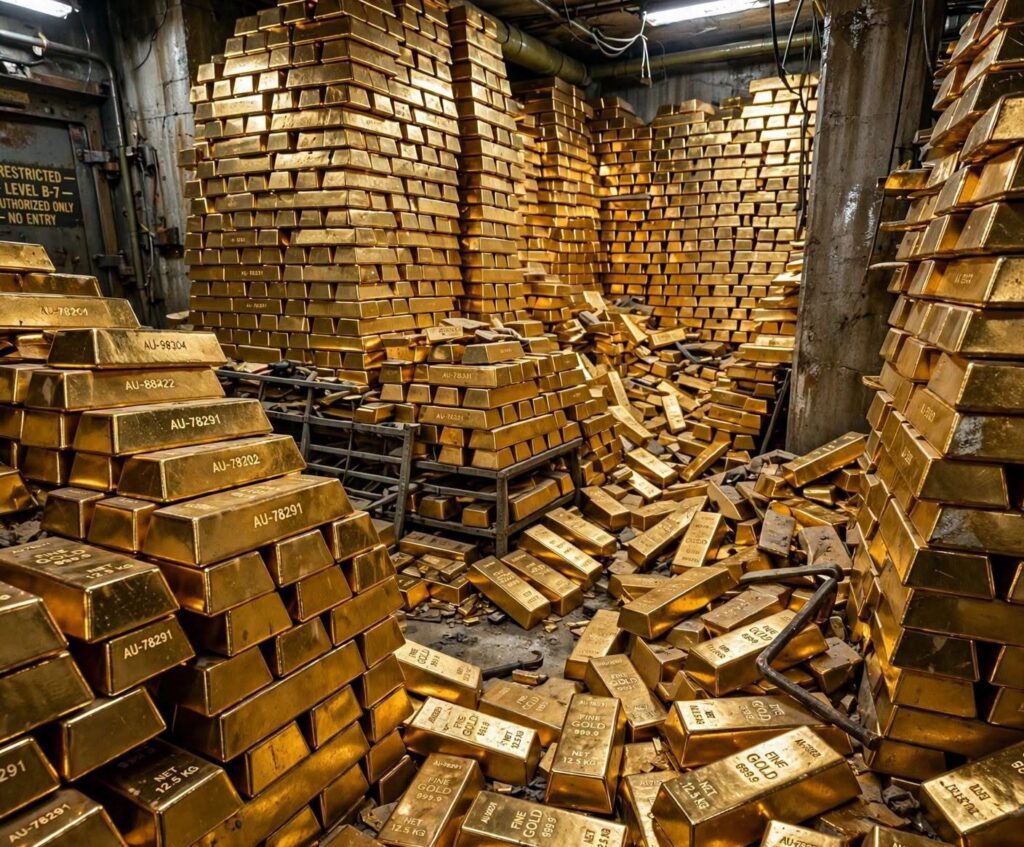
Combined, these inflows have injected over US$22 billion in gross export value into the economy, providing critical liquidity to cushion the Ghana cedi against external shocks and rebuild gross international reserves.
With GoldBod assuming full operational responsibility for doré purchases in April 2026 under a formal July memorandum with the central bank, optimizing the unit economics of that 88-tonne small-scale stream has become paramount.
Even a marginal percentage reduction in acquisition costs across a US$12 billion export pipeline translates into hundreds of millions of dollars in retained foreign exchange for the state.
Navigating Industry Consultations and Local Refining Goals
Successfully executing the 3 per cent discount in 2027 will require delicate calibration between treasury savings and miner incentives.
While the 2027 Budget Statement outlines the target reduction to a 2 per cent baseline cost, specific operational parameters including the exact implementation date, reference spot pricing formulas, and margin-sharing rules for licensed gold buyers remain subject to ongoing stakeholder negotiations.
Industry analysts note that maintaining seamless liquidity and prompt payment mechanisms at GoldBod buying centers will be essential to ensure small-scale producers view the formal market as superior to informal buyers.
Ultimately, the procurement discount forms one pillar of a broader US$1.5 billion critical-minerals value-addition agenda designed to keep more resource wealth within Ghana’s borders.
By pairing lower raw procurement costs with a mandate to refine 70 per cent of small-scale gold locally by the end of 2027, the government is transitioning GoldBod from a simple bullion aggregator into a comprehensive wealth-retention vehicle for the national economy.
READ ALSO: Cedi Faces Fresh 2027 Pressure as Fitch Projects GH¢12.40 to Dollar