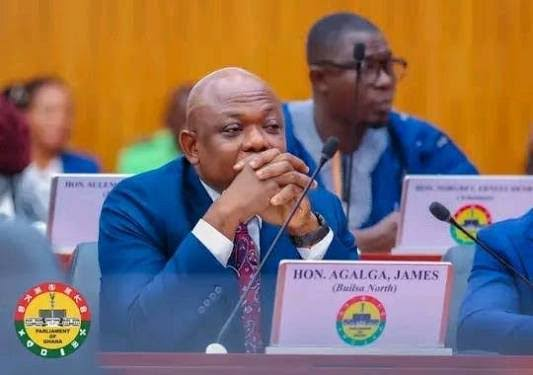
The Majority Leader and Member of Parliament for Builsa North, James Agalga, has called for increased funding for the National Commission for Civic Education (NCCE), warning that inadequate financial resources could undermine the Commission’s ability to discharge its constitutional responsibilities.
He made the appeal during the Commission’s presentation of its proposed 2027 budget estimates and 2026 performance report before the relevant parliamentary committee, urging members to advocate adequate financial support to strengthen its operations, particularly in district-level elections and the ongoing constitutional review process.
“Adequate financial resources would be essential for the NCCE to discharge its constitutional mandate effectively.”
Majority Leader and Member of Parliament for Builsa North, James Agalga
Mr Agalga expressed concern about the disparity between the Commission’s operational requirements and its approved budget, stressing that its constitutional responsibilities required sufficient financial backing to ensure effective nationwide implementation of its programmes.
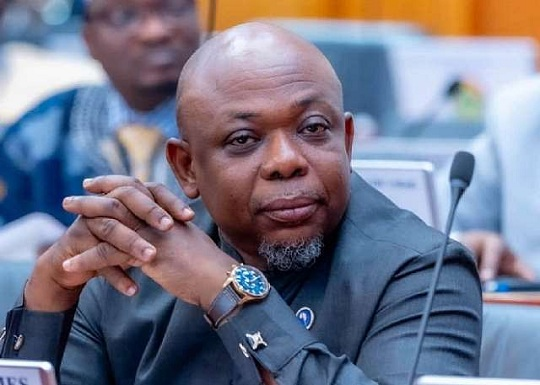
He urged members of the Committee to support efforts to secure the necessary resources, particularly as the Commission prepares to undertake activities connected with district-level elections and the constitutional review process.
Concerns over NCCE funding gap
The Majority Leader made the appeal when officials of the NCCE, led by its Chairperson, Kathleen Addy, appeared before the Committee to present their proposed expenditure for 2027 and account for their performance during 2026.
The presentation outlined the Commission’s policy objectives, achievements and financial and non-financial performance under the theme, “Upholding the Constitution in the Digital Age: Our Collective Responsibility.”
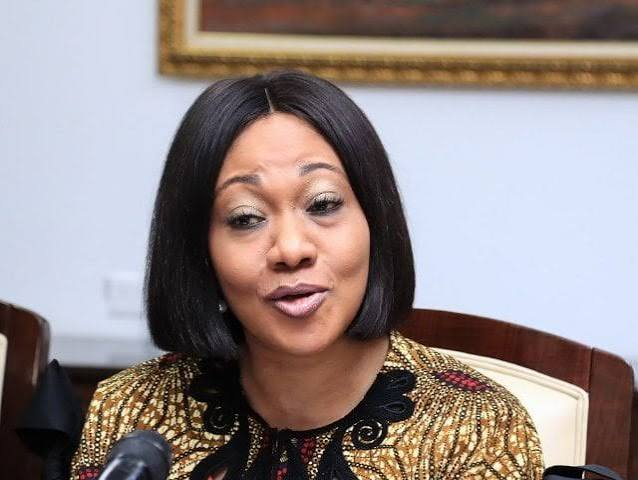
Mr Agalga maintained that the Commission’s ability to fulfil its mandate depended substantially on the availability of adequate funding, calling for collective parliamentary support to address the resource constraints.
NCCE Constitutional Mandate
The Commission’s appearance before the Committee provided an opportunity to examine its activities, performance and funding requirements ahead of the 2027 financial year.
The discussions highlighted the importance of sustaining civic education and constitutional awareness, particularly as the country prepares for processes requiring public participation and understanding.
Mr Agalga’s intervention placed particular emphasis on ensuring that financial limitations did not weaken the Commission’s ability to undertake its statutory functions across the country.
He encouraged Committee members to recognise the NCCE’s operational needs and support measures that would enable it to carry out its responsibilities effectively.
Electoral Commission outlines 2027 budget
Meanwhile, the Electoral Commission (EC), led by its Chairperson, Jean Mensa, also appeared before the Committee to present its 2026 performance report and proposed budget estimates for 2027.
The Commission briefed members on its staff capacity-building initiatives, the existing Constitutional Instrument (CI) and proposals for a new CI to govern the referendum.
It also outlined its projected financial requirements for the coming year, highlighting the resources needed to support its operations and preparations for upcoming electoral activities.
Madam Mensa appealed for the timely approval and release of the Commission’s budgetary allocations, explaining that 2027 would be particularly demanding for the electoral management body.
She emphasised that early access to the required funds would allow the Commission to commence procurement processes and undertake the necessary preparations ahead of the elections.
The EC Chairperson maintained that delays in releasing the resources could affect the Commission’s ability to plan and execute its activities within the required timelines.
Timely release of Election Funds
Madam Mensa’s appeal focused on the importance of predictable funding in enabling the Commission to undertake procurement and other preparatory activities without unnecessary delays.
She explained that the Commission required sufficient time to organise its operations and ensure that the necessary arrangements were in place for the electoral processes ahead.
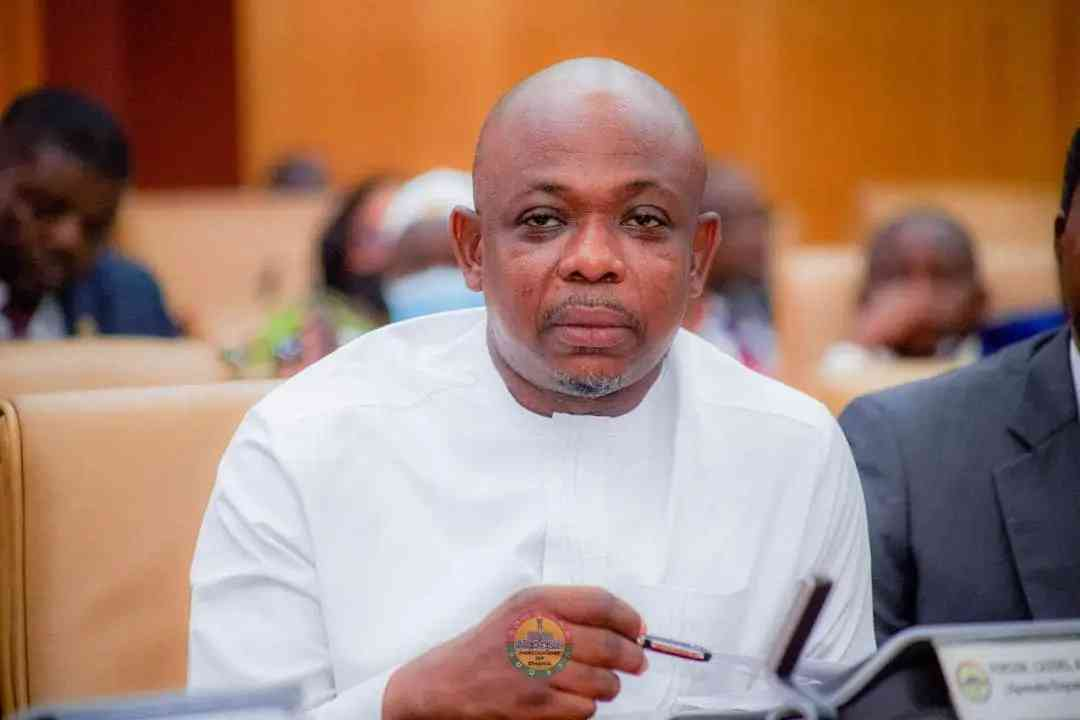
The Committee considered the presentations from both institutions as part of its examination of their performance and proposed expenditure for the 2027 financial year.
Members sought further explanations on key areas of the presentations, examining the institutions’ funding projections and operational requirements.
The engagement formed part of Parliament’s budget scrutiny process, which provides an opportunity for committees to assess public institutions’ financial needs and examine how proposed allocations would support their respective mandates.
Following the deliberations, the Committee directed officials of the District Assemblies Common Fund (DACF) to reappear on Thursday, November 26, to address outstanding issues and provide further clarification.
The directive followed the Committee’s examination of the Fund’s performance and budget projections, as members sought additional explanations on matters requiring further attention.
The Committee’s continued engagement with the institutions is expected to support its assessment of their proposed allocations and financial requirements for the 2027 fiscal year.
READ MORE: 24-Hour Economy Secures $5.5bn Investment, Targets Jobs