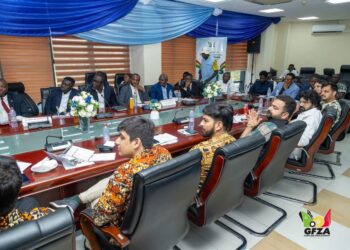
Ghana is stepping up efforts to attract foreign investment into its automotive manufacturing industry, with the government inviting Tunisian companies to establish vehicle component production facilities in Winneba to strengthen local manufacturing capacity and position the country as a regional automotive supply hub.
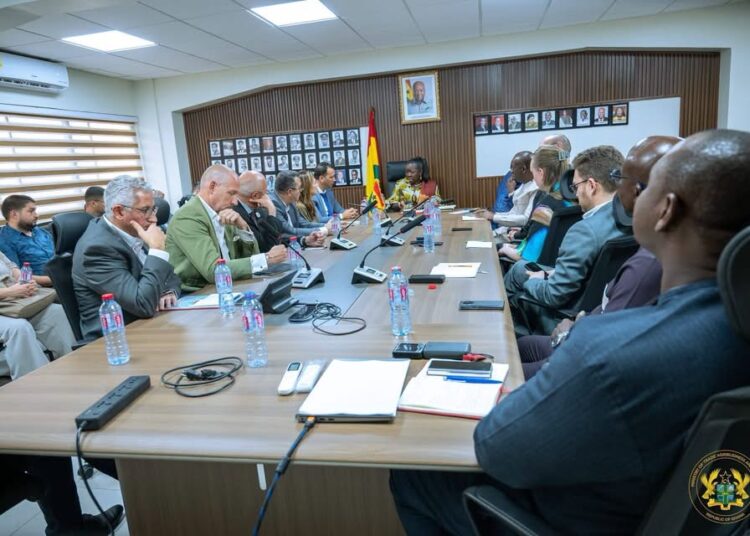
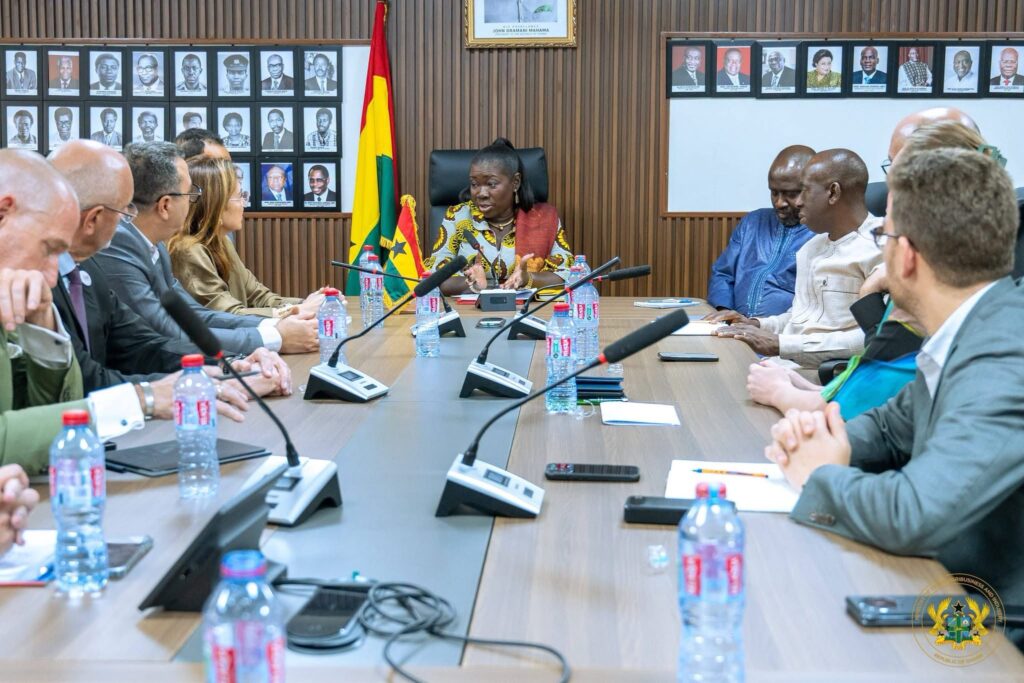
The Minister for Trade, Agribusiness and Industry, Elizabeth Ofosu-Adjare, has called on investors from Tunisia to explore opportunities in Ghana’s automotive sector, particularly in component manufacturing, vehicle parts production and related industrial activities.
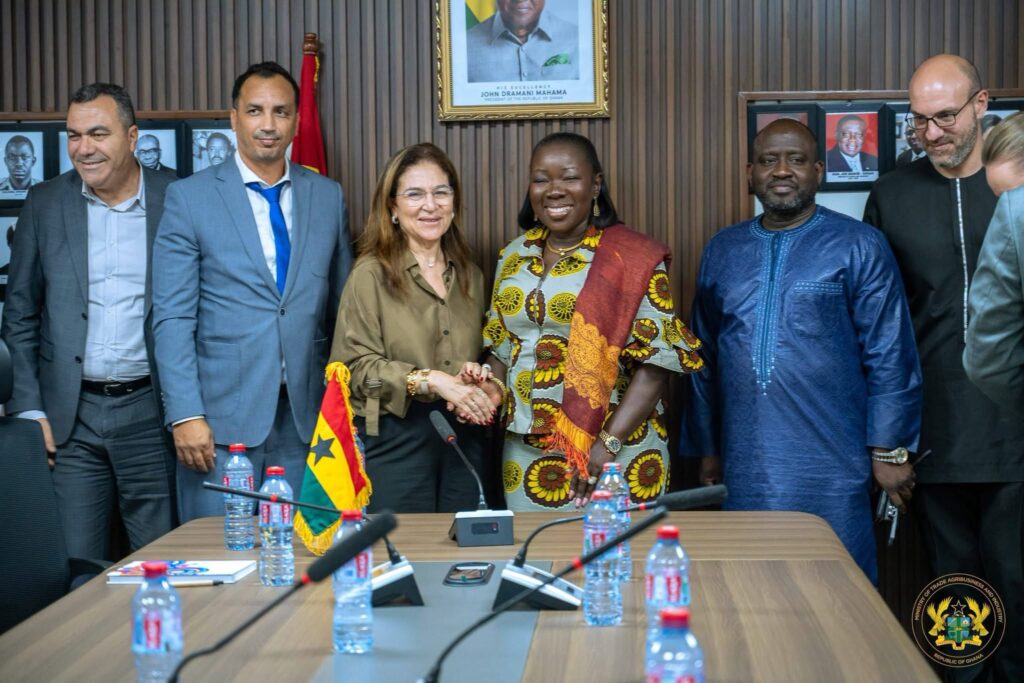
She made the appeal when she received a 16-member delegation from the Tunisian Automotive Association, led by its Vice President, Lamia Fourati, in Accra.
“Ghana presents strategic opportunities for Tunisian investors to establish automotive and components manufacturing facilities and use the country as a gateway to the West African and wider African markets.”
Minister for Trade, Hon. Elizabeth Ofosu-Adjare
Winneba Industrial Park Opens Investment Opportunities
A major development highlighted during the meeting was the government’s acquisition of land at Winneba in the Central Region for the establishment of an industrial park dedicated to automotive components manufacturing.
According to the Minister, the proposed facility is expected to provide an industrial base for companies interested in manufacturing vehicle components and supplying both domestic and regional markets.
The development presents an opportunity for Tunisian manufacturers to establish production facilities closer to emerging African markets while benefiting from Ghana’s strategic geographical position and access to regional trade arrangements.
The proposed industrial park also aligns with Ghana’s ambition to move beyond vehicle assembly into the production of essential automotive components, including electrical systems, braking components, vehicle interiors, tyres, batteries and other parts required by assembly plants.
Hon. Ofosu-Adjare assured the delegation that her Ministry remained committed to supporting prospective investors throughout the investment process, including facilitating the necessary engagements and creating an enabling environment for their businesses.
“Government is committed to creating an enabling business environment, and my Ministry is ready to collaborate with investors to facilitate their investments and provide the necessary support for successful business establishment in Ghana.”
Minister for Trade, Hon. Elizabeth Ofosu-Adjare
Ghana Seeks to Deepen Local Manufacturing
Ghana’s efforts to attract Tunisian investors come against the background of its Ghana Automotive Development Policy, which seeks to establish an integrated and competitive automotive industry capable of serving domestic and regional markets.
The policy provides a framework for vehicle assembly, component manufacturing, technology transfer, skills development and the development of local supply chains.
It also establishes different levels of vehicle assembly, including Semi-Knocked-Down (SKD), Enhanced SKD and Completely-Knocked-Down (CKD) operations, with incentives designed to encourage manufacturers to increase local value addition.
In September 2026, the government announced approval of the Ghana Automotive Component Manufacturing Policy to strengthen investment in the production of vehicle parts for both the aftermarket and direct supply to assembly plants.
The policy is expected to support industrial diversification, create employment opportunities and reduce dependence on imported automotive components.
The government’s interest in Tunisia is particularly significant given the North African country’s established automotive manufacturing capabilities.
According to the Tunisian Automotive Association, Tunisia had more than 280 companies operating in automotive manufacturing and components in 2025, employing over 120,000 people.
The sector generated approximately €3.9 billion in exports, demonstrating the country’s capacity to develop an export oriented automotive supply chain.
These figures present an important investment opportunity for Ghana, particularly in attracting companies with experience in component production, industrial engineering, electrical systems and automotive technology.
Tunisian Expertise Could Strengthen Ghana’s Export Ambitions

The proposed investment partnership could provide Ghana with access to Tunisia’s industrial expertise while creating opportunities for collaboration between manufacturers, local businesses and technical institutions.
This is particularly important as the automotive industry increasingly depends on sophisticated production systems, precision engineering, quality assurance and technological innovation.
The potential benefits also extend to small and medium-sized enterprises that could participate in the automotive supply chain through the production of packaging materials, metal components, plastic products, electrical fittings and other industrial inputs.
Ghana’s membership of the African Continental Free Trade Area (AfCFTA) further strengthens its attractiveness as an investment destination.
“The facility presents an opportunity for Tunisian investors to establish manufacturing operations in Ghana and leverage the country’s growing industrial potential to serve markets across the continent.”
Minister for Trade, Hon. Elizabeth Ofosu-Adjare
However, translating the investment discussions into operational manufacturing facilities will require sustained engagement between government and the private sector.
Key considerations will include access to reliable energy, industrial infrastructure, skilled labour, competitive financing, efficient logistics and a predictable regulatory environment.
The availability of local suppliers and the capacity of Ghanaian businesses to meet international automotive quality standards will also be essential to the success of the proposed industrial ecosystem.
For Tunisia, the engagement provides an opportunity to extend its automotive manufacturing expertise into a growing African market.
For Ghana, it represents a potential pathway to accelerate industrial development through strategic international partnerships.
READ ALSO:Analyst Urges Ghana To Borrow For Projects, Not Consumption