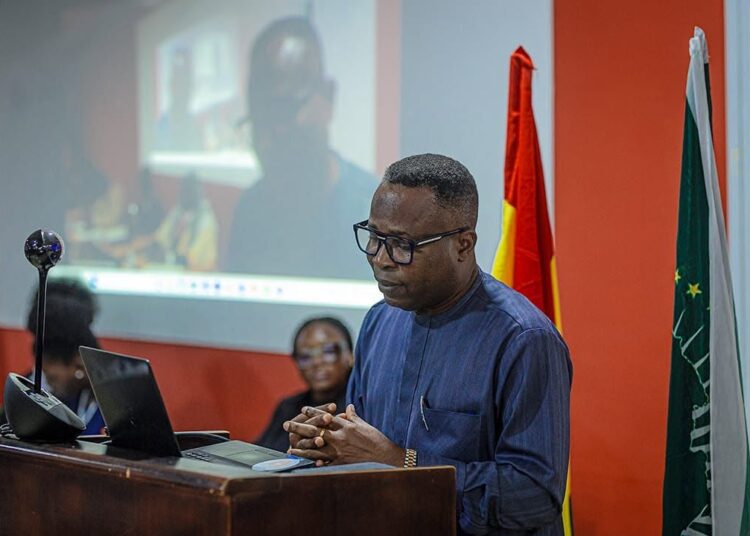
Associate Professor of International Relations and Comparative Political Economy at the Ghana Institute of Management and Public Administration (GIMPA), Lord Mawuko-Yevugah, has raised urgent concerns over the stark contradiction between Africa’s booming critical mineral exports and the persistent energy deprivation afflicting hundreds of millions of citizens across the continent.
In a forceful intervention examining the political economy of the global clean energy transition, the Cambridge-educated Commonwealth Scholar warned that extracting African transition minerals solely to power foreign electric mobility networks while leaving host nations in the dark perpetuates a deeply unjust global economic order.
“A genuinely just transition cannot treat Africa merely as a quarry for global decarbonization while denying African economies the fiscal space and affordable renewable energy required for domestic industrialization and universal energy access.”
Lord Mawuko-Yevugah

Prof. Mawuko-Yevugah, who also serves as Founder and Lead Researcher of the Pan-Africanist Centre for African Diplomacy and Global Engagement (Afro-global), highlighted that nearly 600 million people across Sub-Saharan Africa still lack access to basic electricity.
Despite holding vast reserves of lithium, copper, and rare earth elements indispensable to global decarbonization, African economies remain locked in a raw-export paradigm that ships unrefined wealth to Europe, North America, and East Asia.
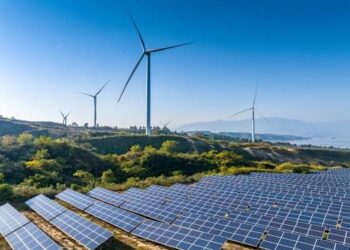
Meanwhile, domestic industries and rural communities struggle with unreliable grids, soaring power deficits, and limited fiscal capacity to finance homegrown renewable energy infrastructure.
Ending the Quarry Mentality in Global Decarbonization
At the heart of Prof. Mawuko-Yevugah’s critique is the structural asymmetry embedded within contemporary green supply chains.
Drawing on insights from his acclaimed scholarly works, including Independency: Political Independence and Economic Dependency in Ghana (2025), the political economist observed that green industrialization in the Global North relies heavily on extracting natural capital from the Global South without transferring commensurate industrial or energy dividends.
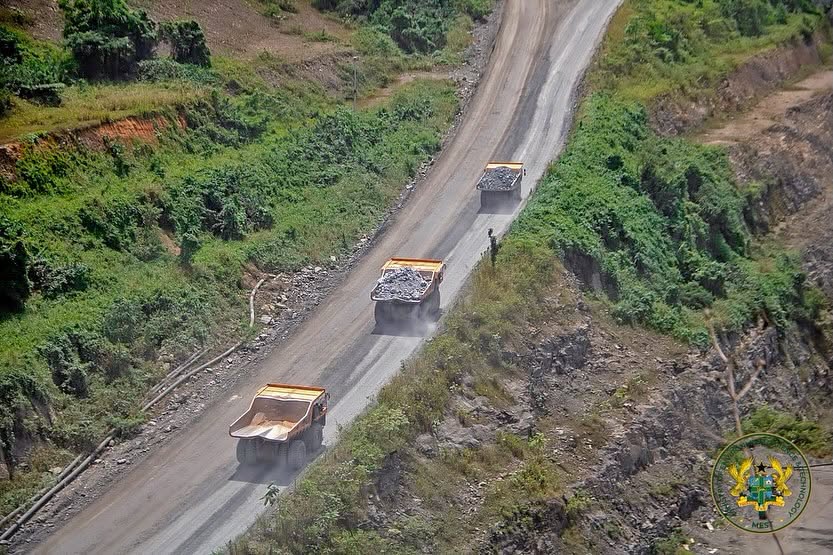
According to Prof. Mawuko-Yevugah, the prevailing extractive model mirrors historical patterns of dependency, wherein African states bear the ecological and social burdens of resource extraction while surrendering value addition, clean technology manufacturing, and energy security to external markets.
Correcting this imbalance requires a deliberate policy pivot toward domestic beneficiation, regional power pool integration, and sovereign fiscal autonomy.
By anchoring mineral extraction agreements to mandatory local processing quotas and dedicated clean energy investments, African governments can ensure that battery-grade mineral revenues directly finance domestic electrification.
Such an initiative is indispensable if resource-rich states are to escape commodity dependence, build resilient manufacturing bases, and achieve universal electricity access rather than remaining peripheral suppliers of raw inputs.
Ecological Costs and Customary Land Disruptions
Beyond macroeconomic disparities, Prof. Mawuko-Yevugah underscored the severe localized harms inflicted on mining-affected communities across the continent.
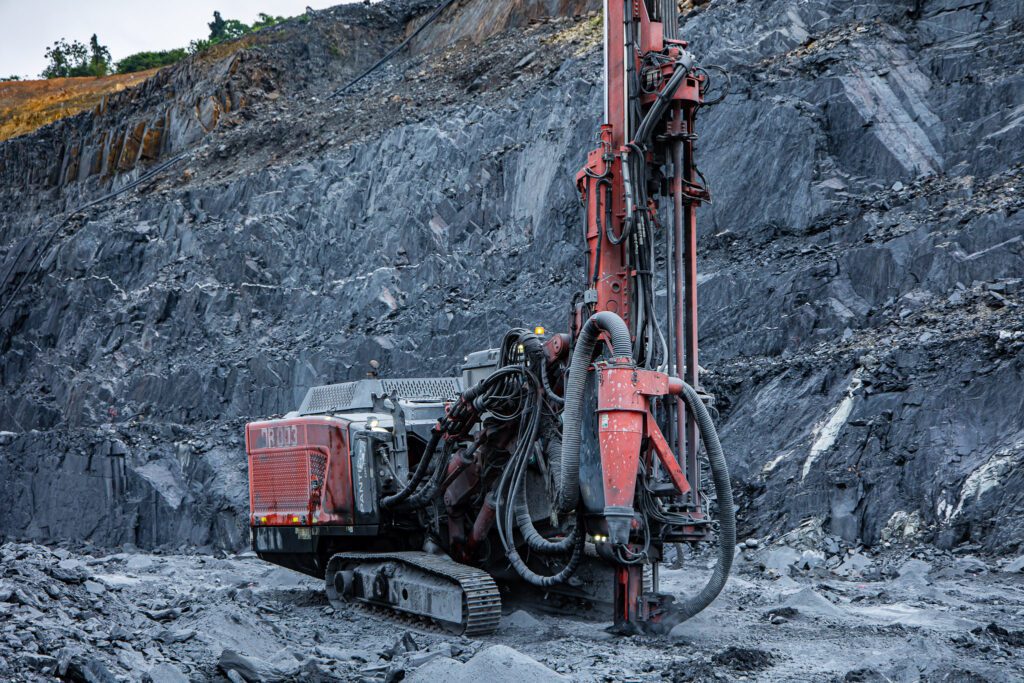
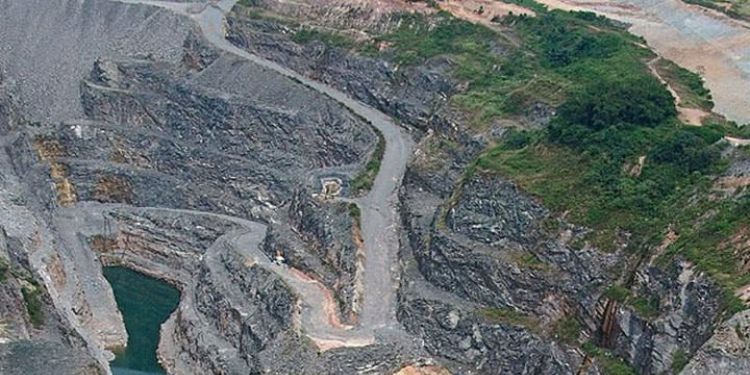
Expanding extraction of lithium, copper, and rare earths routinely displaces smallholder farmers and fractures customary land tenure systems without fair compensation or adherence to Free, Prior, and Informed Consent (FPIC) protocols.
Furthermore, the mineral processing lifecycle demands immense volumes of water, placing acute strain on fragile, semi-arid ecosystems particularly across southern Africa while exposing vital underground aquifers to contamination from sulfuric acid, arsenic, and radioactive tailings.
The GIMPA scholar noted that international corporate Environmental, Social, and Governance (ESG) frameworks frequently fall short of protecting vulnerable rural populations.
While mechanisms such as the Initiative for Responsible Mining Assurance (IRMA) and the European Union’s digital battery passport claim to promote ethical sourcing, Prof. Mawuko-Yevugah argued that they often operate as “technocratic compliance exercises designed in Northern capitals.”
Without binding local grievance redressal, independent community-led environmental monitoring, and direct financial equity for host municipalities, international certification regimes risk “legitimizing extraction without materially improving community welfare.”
Rethinking Governance and Sovereignty for a Just Transition
To ensure the global clean energy shift delivers tangible prosperity for African citizens, Prof. Mawuko-Yevugah advocated for robust institutional reforms grounded in African diplomatic agency and accountable resource governance.
As Founder and Convener of the International Relations and Diplomacy Network Ghana (IRDNGhana) and author of Theories of International Relations: Contending Approaches to Global Politics (2026) and Elements of Foreign Policy Analysis: Actors, Theories and Cases (2026), he emphasized that African policymakers must negotiate bilateral and multilateral mineral partnerships from a position of strategic clarity.
This governance overhaul demands enforceable domestic laws that safeguard customary land rights, compel strict environmental remediation, and ring-fence mineral royalties for public renewable energy deployment.
By pairing sovereign diplomatic coordination with grassroots accountability, African states can transform their critical mineral endowments into engines of inclusive domestic industrialization proving that true energy justice begins with powering the homes, clinics, and factories of the people whose land sustains the global transition.
READ ALSO: Shea Seedling Survival Key to Ghana’s Shea Future