Mr Tang Hong, the Founder and Executive Chairman of the CAITEC Group, has signalled a strategic shift in his conglomerate’s commercial footprint in Ghana by disclosing concrete plans to venture into the extractive and mining sector over the next five years.
Delivering remarks on the sidelines of the company’s 30th anniversary commemoration in Accra, the veteran industrialist outlined a medium-term diversification roadmap designed to transition the enterprise beyond its traditional commercial strongholds into high-value mineral resource development.
“I have a lot of plans for the next five years, especially regarding the businesses we are involved in. We are going to expand into different areas and introduce new business opportunities.”
Mr Tang Hong
Having anchored CAITEC’s corporate presence in West Africa since arriving in Ghana in 1995 and formally incorporating the business in 1996, Mr Tang emphasized that entering the extractive space represents the next logical frontier for the group.
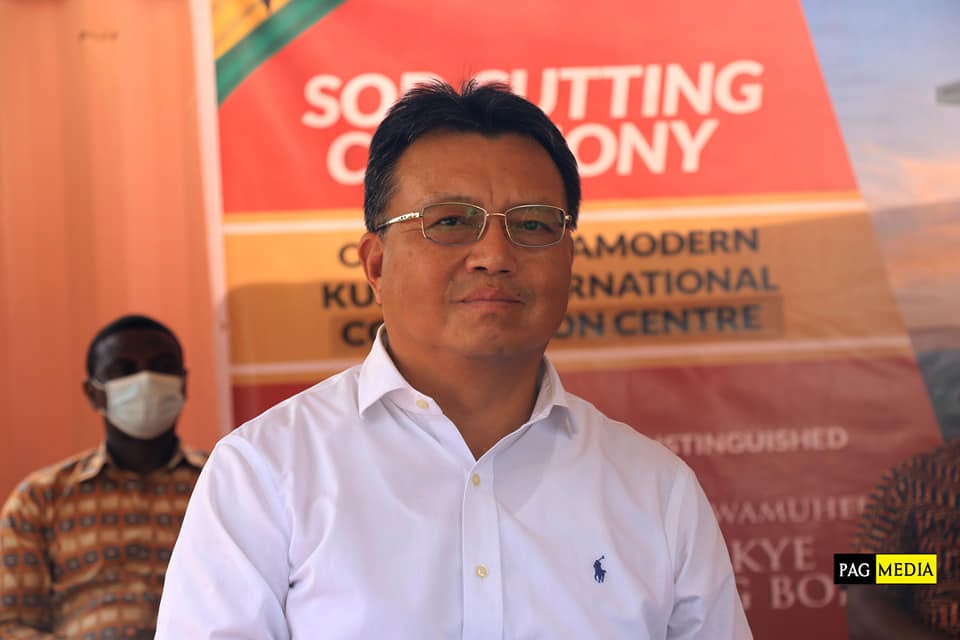
Over the past three decades, the conglomerate headquartered at Caitec Towers opposite Mallam Junction in Accra has built a formidable portfolio spanning heavy machinery, commercial vehicles, local manufacturing, real estate, and luxury hospitality through landmarks such as the Tang Palace Hotel.
Positioning the company for its fourth decade of operation, the Chairman noted that deploying accumulated capital, technical logistics, and local operational mastery into mining aligns with both corporate longevity and Ghana’s broader industrialization agenda.
Strategic Synergies and Heavy Equipment Leverage
Analysts within Ghana’s extractives and industrial supply chain note that CAITEC Group possesses an inherent structural advantage as it prepares to enter the mining arena.
For years, the conglomerate has served as a primary local distributor and after-sales service provider for major heavy-duty industrial brands, including SANY earthmoving machinery, SHACMAN tipper trucks, Giti radial tyres, and industrial power solutions.
Transitioning from an equipment vendor into direct mining operations or integrated mine-support services allows the company to internalize heavy fleet procurement, maintenance, and logistics costs that typically weigh heavily on emerging operators.
Furthermore, corporate governance records indicate that the group has already laid institutional groundwork for extractive investments, with board-level oversight encompassing specialized subsidiaries such as TMC Mining Limited alongside its established machinery divisions.
Reflecting on his 31-year personal journey in the country, Mr Tang observed that “marking thirty years of corporate existence is a profound milestone” that obligates the group to deepen its economic roots rather than rest on past commercial laurels.
By leveraging its workforce of over 300 Ghanaian professionals and expatriate engineers, CAITEC is uniquely positioned to bridge international mining technology with domestic operational execution.
Macroeconomic Drivers and Sectoral Viability
The timing of CAITEC Group’s extractive pivot coincides with a period of robust fiscal and regulatory momentum in Ghana’s mining industry
As Africa’s leading gold producer and an emerging hub for critical transition minerals such as lithium and manganese, Ghana continues to attract substantial capital inflows.
Recent industry disclosures highlight surging investor confidence, underscored by the Minerals Income Investment Fund (MIIF) surpassing its 2026 mineral royalty mobilization target of GH¢6.9 billion to record over GH¢9 billion by October, alongside multi-billion-dollar long-term lease renewal commitments from tier-one producers.
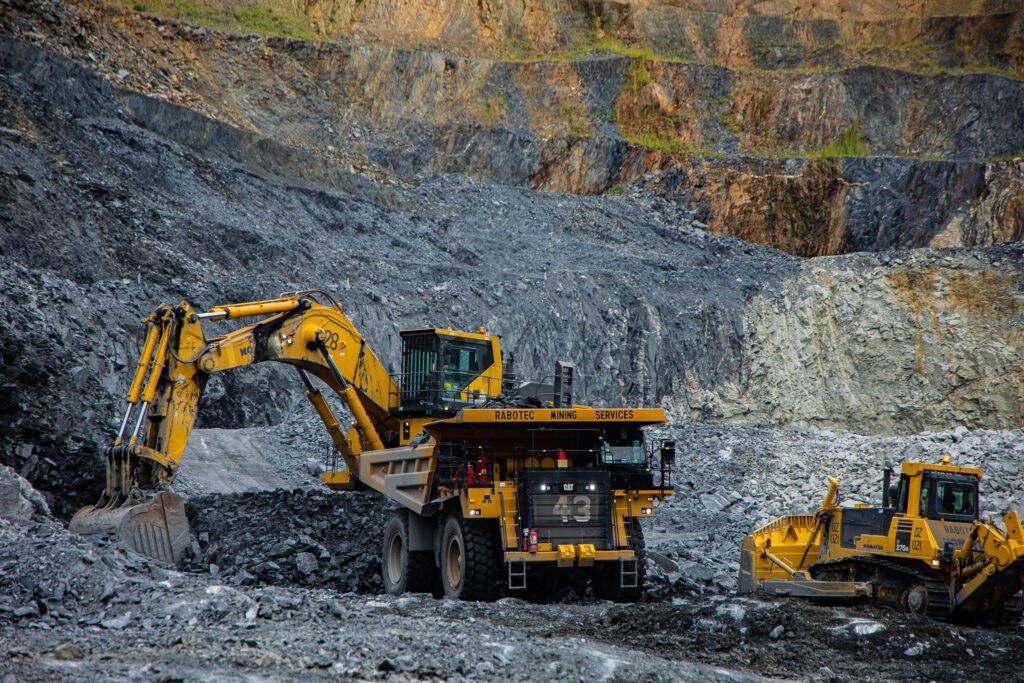
For diversified conglomerates like CAITEC, entering the extractive sector provides a vital hedge against currency volatility and import-dependent retail fluctuations.
While trading and automotive distribution remain sensitive to foreign exchange pressures and shifting import duties, mineral production and specialized mine-contracting generate hard-currency revenues anchored in tangible domestic assets.
Regulatory reforms championed by the Ministry of Lands and Natural Resources and the Minerals Commission throughout 2026 focusing on local content participation, sustainable extraction, and value addition further incentivize established domestic conglomerates to take equity stakes in mineral exploration and processing.
Charting a Five-Year Diversification Blueprint
Looking ahead to 2031, Mr Tang’s five-year expansion blueprint signals a deliberate evolution from pure import-and-distribute commerce toward capital-intensive, asset-backed production.
Industry observers anticipate that CAITEC’s initial foray into mining will likely target strategic joint ventures, medium-scale concessions, or turnkey contract mining services where its heavy machinery ecosystem can be deployed immediately.
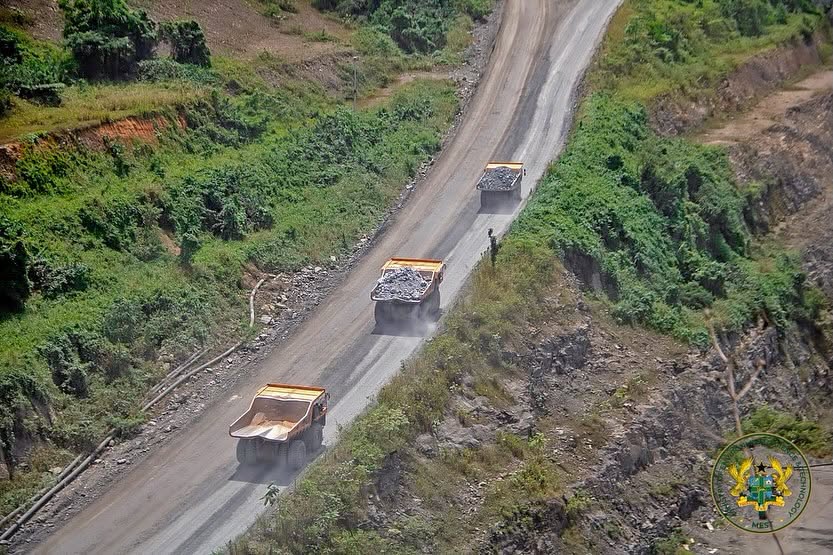
Reiterating his confidence in Ghana’s investment climate, the Chairman stressed that “sustaining our growth trajectory requires bold diversification into sectors that drive national transformation.”
As CAITEC Group embarks on its next half-decade, its entry into Ghana’s lucrative extractives landscape promises not only to reshape the conglomerate’s revenue architecture, but also to inject fresh domestic-foreign hybrid capital, technical training, and ancillary supply-chain opportunities into the country’s vital mining economy.
READ ALSO: GoldBod Describes Foreign Partnerships as Efforts to Position Ghana as Investment Destination