
Government is being urged to ban the export of raw critical minerals as experts warn that Ghana risks missing a pivotal opportunity to anchor its electric vehicle (EV) industrialisation drive.
Mining and investment consultant Edward Nana Yaw Koranteng said such a decisive policy shift is essential if the country hopes to leverage its lithium, manganese, graphite and other strategic minerals to build a competitive EV and battery manufacturing hub for Africa.
“The era of exporting unprocessed minerals must end if Ghana is to capture real value from the global energy transition.”
Mining and investment consultant Edward Nana Yaw Koranteng

Mr. Koranteng argued that Ghana’s endowment of lithium, manganese, graphite and other strategic minerals presents a once-in-a-generation opportunity to drive industrial transformation, one that could easily slip away without decisive action.
According to him, the nation’s growing deposits of lithium, manganese, graphite and other strategic minerals represent far more than export commodities.
“Ghana’s endowment of critical minerals presents a unique opportunity to position the country as Africa’s EV and battery hub.”
Mining and investment consultant Edward Nana Yaw Koranteng
Mr. Koranteng, who served on Ghana’s negotiation team for the landmark 2023 lithium agreement, argued that the long-standing practice of exporting raw minerals can no longer support Ghana’s economic ambitions.
He referenced the lithium deal’s 10 percent royalty rate, 13 percent free carried interest and an additional six percent stake acquired by MIIF as clear proof of the strategic significance of these resources for the country’s long-term security and industrial future.
Call for Local Processing and Industrial Value Addition
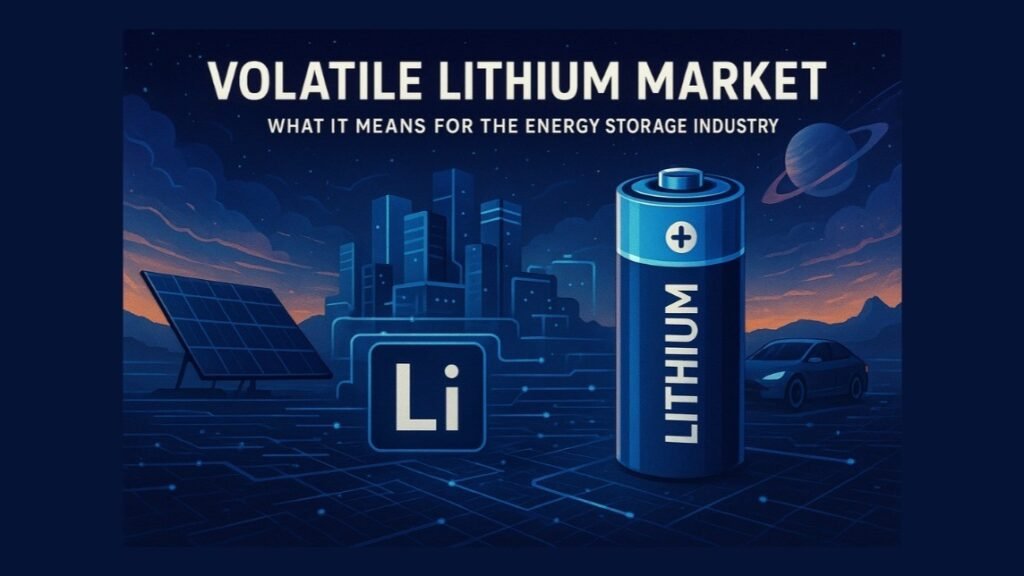
Mr. Koranteng warned that without deliberate industrial planning, Ghana risks forfeiting billions in potential value addition. He noted that global restructuring of supply chains presents Africa with unprecedented opportunities, but only countries with strong industrial policy frameworks will benefit.
He emphasised that Ghana must move swiftly to support downstream processing, battery manufacturing and EV assembly.
“We cannot expect to become a competitive EV hub if we continue exporting the very minerals that should form the basis of our industrial development.”
Mining and investment consultant Edward Nana Yaw Koranteng
To accelerate the emergence of a competitive ecosystem, he proposed establishing specialised EV industrial and auto export zones where battery manufacturers, assembly plants and research laboratories operate within a coordinated cluster.
Remove EV Import Duties to Boost Adoption
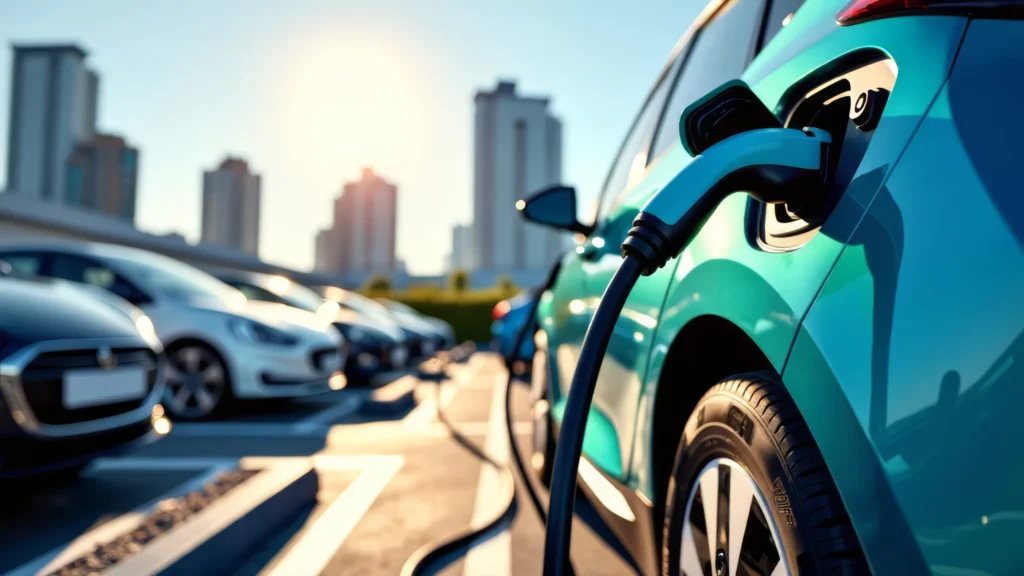
Central to his recommendations was a call for Ghana to reduce EV import tariffs from the current 52% to 15%, a reform he described as essential for stimulating early adoption.
He referenced data showing that countries like Norway, Rwanda and South Africa rapidly expanded EV usage by reducing the upfront cost barriers.
“Ghana cannot expect mass EV uptake at a time when the cost of importing an EV is more than double that of competing markets.”
Mining and investment consultant Edward Nana Yaw Koranteng
Mr. Koranteng warned that if Ghana maintains prohibitive tariffs, the country will struggle to attract the financing required to electrify its public transport fleet.
He referenced estimates suggesting that Ghana needs around $500 million to replace just 25% of trotros on the road, a task impossible without affordable import structures and investor-friendly incentives.
A lower tariff regime, he argued, would stimulate market demand, support existing auto assembly plants and unlock access to green capital for manufacturers and transport operators.
Fragmented EV Policies Threaten Ghana’s Competitiveness
Mr. Koranteng also highlighted a critical challenge: fragmented policymaking among key institutions. He pointed to the lack of alignment between GRIDCo, ECG, the Ministry of Transport, the Ministry of Energy and investment promotion agencies.
He described the national EV space as one lacking cohesive direction, stressing the need for urgent harmonisation.
“Ghana needs a unified electricity pricing framework, clear charging infrastructure standards, a coherent transport electrification roadmap, and aligned industrial incentives.
“Without coordination, efforts remain fragmented and the full demand-side effect of policy interventions is lost.”
Mining and investment consultant Edward Nana Yaw Koranteng
According to him, a unified EV masterplan would create clarity for investors, support private-sector expansion and accelerate the development of an integrated EV value chain.
Participants at the forum agreed that Ghana’s mineral wealth, if supported by bold policy choices particularly a decisive move away from raw mineral exports, could anchor the country’s shift into advanced manufacturing and position it as a continental leader in the EV revolution.
Mr. Koranteng maintained that a consolidated EV policy, coupled with competitive tariff reforms and industrial incentives, is essential if Ghana is to convert its mineral endowment into economic growth, skilled jobs and technological leadership across Africa.
READ ALSO: 2031–2034 Bonds Gain Heat with 15.11% Yields After Another Market Surge