
The Chamber of Petroleum Consumers (COPEC) has expressed optimism that the intense price competition currently playing out in Ghana’s downstream petroleum sector will extend into the second pricing window of January.
This follows a wave of aggressive price cuts by major oil marketing companies (OMCs) during the first window of the year, which has significantly reduced pump prices across the country.
Executive Secretary of COPEC, Duncan Amoah, believes the ongoing price rivalry has laid to rest lingering fears that OMCs might engage in collusion under Ghana’s deregulated pricing regime. He said the swift and visible price responses from multiple players demonstrate that competition is working as intended.
“What Goil has done this week is very instructive, that they can cut a lot of things and be able to go down significantly to give their consumers the kind of relief that they think the consumer deserves. We applaud them.”
Duncan Amoah, Executive Secretary of COPEC
He explained that the response from competitors was almost immediate.

“Effectively, same day, Star Oil also responded and said, okay, we can go down further. And then you had Total come up to also say they could also go down and they have gone down.”
Duncan Amoah, Executive Secretary of COPEC
According to COPEC, this rapid back-and-forth between major brands underscores the intensity of competition and reflects a growing awareness among OMCs that consumers are highly sensitive to price differences.
COPEC says the recent developments amount to a full-blown price war among leading OMCs, driven by heightened competition and increasing price sensitivity among consumers. According to the consumer advocacy group, the trend is a positive sign for both the market and fuel users.
Price War Benefits Consumers Nationwide
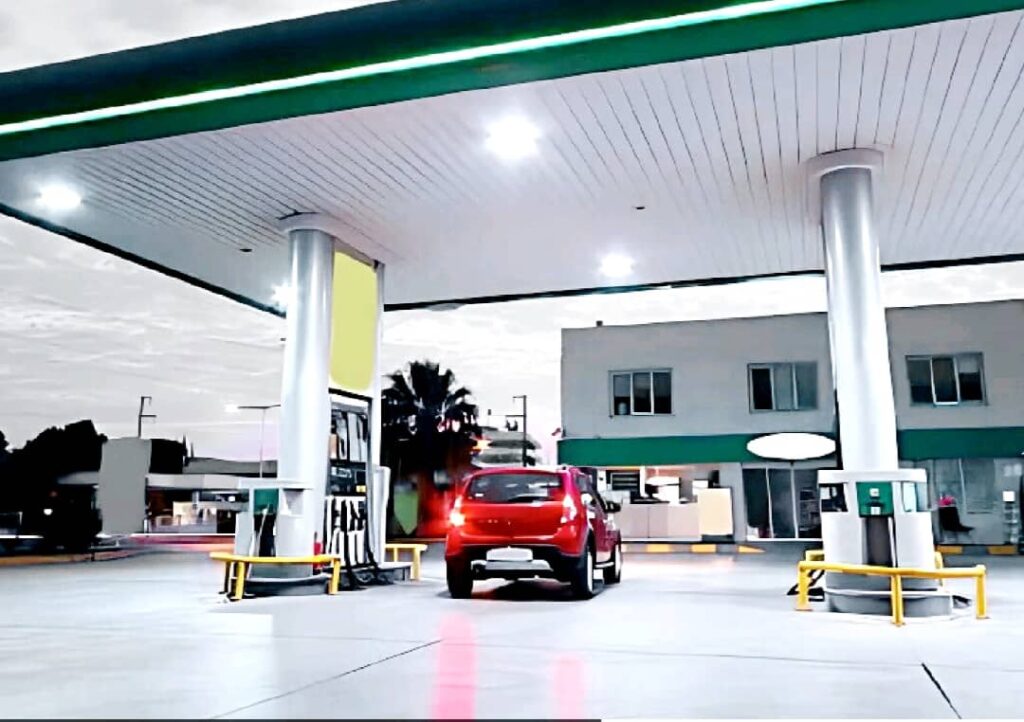
Mr. Amoah described the ongoing price war as the most beneficial outcome consumers can expect in a competitive fuel market. “So, for us, price war, it’s the best thing that the Ghanaian consumer can get from the oil marketing companies,” he said.
He expressed hope that OMCs yet to adjust their prices would also respond, ensuring that consumers in all parts of the country benefit from lower fuel costs.
“We are hoping that the other OMCs that have not responded would also respond so that every Ghanaian living everywhere can be able to get a very efficient price that makes their pockets easier.”
Duncan Amoah, Executive Secretary of COPEC
Looking ahead, Mr. Amoah said COPEC is closely watching developments in the second pricing window of January to see whether the competitive momentum will be sustained.
Beyond short-term relief, COPEC believes sustained competition could lead to healthier market dynamics in the long run. Mr. Amoah said prolonged price wars encourage OMCs to focus on sales volumes rather than high margins.
“The more it sustains itself, the better it is for the downstream so that they don’t only go for margins, but they also go for volumes because if your prices are favorable or fair, the consumer will respond.”
Duncan Amoah, Executive Secretary of COPEC
He added that recent actions by major OMCs suggest a shift towards pricing strategies informed by consumer behaviour.
“I think that the major OMCs have demonstrated that they are now moving towards a price sensitivity position that informs how they also fix what they put out there to the consumer.”
Duncan Amoah, Executive Secretary of COPEC
Fuel Prices Slide Further

Fuel prices declined further during the first pricing window of January as competition intensified. Market leader Star Oil set the tone by announcing two separate price adjustments within the first week of the year, a move industry watchers attribute largely to competitive pressure from GOIL.
Star Oil’s latest prices place petrol at GH¢10.56 per litre, down from GH¢10.86, while diesel is now selling at GH¢11.56, compared to the previous GH¢11.96. Ron 95 has also been reduced to GH¢12.96 from GH¢13.56.
In addition to standard pricing, selected Star Oil outlets are offering promotional discounts, with petrol selling as low as GH¢10.36 per litre and diesel at GH¢11.36.
GOIL has also reviewed its prices downward, with petrol now selling at GH¢10.99 per litre, diesel at GH¢11.96, and Super XP 95 priced at GH¢13.97.
At Shell outlets, petrol is selling at GH¢11.68 per litre, while diesel is priced at GH¢12.38. TotalEnergies has matched these prices, offering petrol and diesel at GH¢11.68 and GH¢12.38 respectively.
PETROSOL has similarly reduced prices, with petrol now selling at GH¢11.65 per litre and diesel at GH¢12.35. This marks a continuation of the company’s downward pricing trend, following earlier reductions in the second pricing window of December.
As the second pricing window of January approaches, consumers and industry players alike will be watching closely to see whether the price war endures.
For COPEC, sustained competition remains the ideal scenario, promising continued relief for consumers and reinforcing confidence in Ghana’s deregulated petroleum market.
READ ALSO: NAGRAT Claims Gender Content In Manual Was No Accident, Alleges Cultural Sabotage