
QatarEnergy stops downstream production in the State of Qatar, deepening concerns over global energy supply disruptions as the Middle East crisis intensifies.
The state-owned energy giant announced on Tuesday that it is halting the production of several downstream products, just a day after it confirmed a suspension of liquefied natural gas (LNG) output.
The decision comes amid escalating hostilities involving the United States, Israel and Iran, with military strikes and retaliatory attacks spreading across key energy hubs in the Gulf region.
In its statement, QatarEnergy confirmed that the shutdown extends beyond LNG operations and will affect a broad range of industrial outputs.
“Further to the decision by QatarEnergy to stop production of liquefied natural gas (LNG) and associated products, QatarEnergy is stopping the production of some downstream products in the State of Qatar, including urea, polymers, methanol, aluminum, and other products.”
QatarEnergy
The firm emphasized its commitment to transparency and stakeholder engagement, adding, “QatarEnergy values its relationships with all of its stakeholders and will continue to communicate the latest available information.”
The suspension of downstream production significantly widens the scope of disruption, as products such as urea and methanol are critical inputs for global agriculture, manufacturing and chemical industries.
Military Attacks Trigger Shutdown
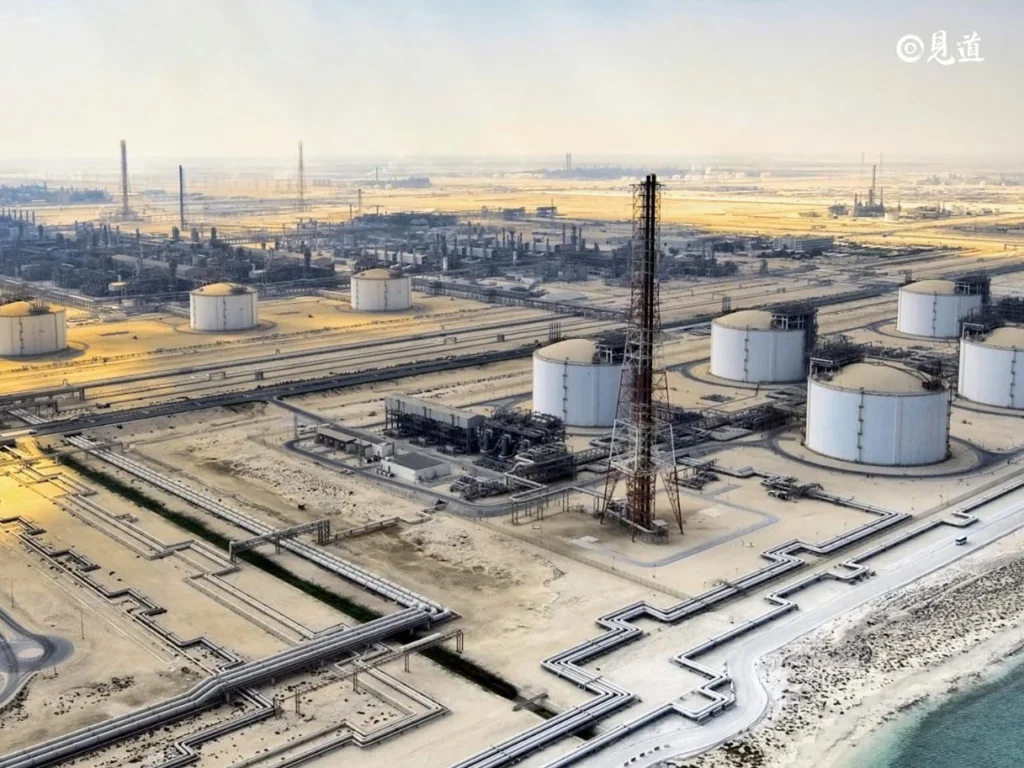
The latest development follows Monday’s announcement that LNG production had been halted due to military attacks on operating facilities in Ras Laffan Industrial City and Mesaieed Industrial City.
Ras Laffan Industrial City, one of the world’s largest LNG export hubs, plays a central role in Qatar’s energy infrastructure. Mesaieed Industrial City is another strategic zone housing petrochemical and refining facilities.
According to QatarEnergy, the precautionary shutdown was necessary following strikes targeting its installations as tensions escalated across the Gulf.
Iran has intensified retaliatory actions against Gulf countries following Israeli and U.S. strikes, prompting energy companies across the region to suspend operations as a safety measure.
The suspension of LNG production has far-reaching implications for global energy markets. Qatar is one of the world’s largest exporters of LNG, accounting for roughly 20 percent of global supply.
Qatari LNG exports are particularly vital to both Asian and European markets, where the fuel plays a critical role in power generation and industrial activity. Any prolonged disruption could strain supply chains and drive prices higher, especially as Europe continues efforts to diversify energy sources.
The shutdown also coincides with broader instability affecting oil and gas shipping routes in the region.
Strait of Hormuz Disruptions

Shipping activity through the Strait of Hormuz has slowed dramatically amid escalating tensions. The strategic waterway, which connects Iran and Oman, carries approximately one-fifth of the world’s oil supply and significant volumes of LNG.
Tehran has reportedly targeted vessels transiting the Strait in response to U.S. and Israeli strikes, raising security concerns and pushing global shipping rates to record highs.
Industry sources and shipping data on Tuesday indicated that oil and gas freight rates have surged to all-time highs as operators grapple with heightened risks and insurance costs.
The near halt in shipping traffic, combined with fears of a prolonged closure of the Strait, has added fresh volatility to already tense energy markets.
The broader Middle East crisis has triggered a sharp rise in oil prices, with Brent crude futures jumping nearly 10 percent this week. The increase reflects mounting concerns over multiple shutdowns of oil and gas facilities across the region.
Energy analysts warn that if the disruptions persist or escalate, global supply could tighten further, intensifying price pressures for both crude oil and natural gas.
European natural gas prices have also moved higher, reflecting the continent’s reliance on LNG imports to stabilize energy supply, particularly during periods of peak demand.
Expansion Plans Interrupted

The shutdown marks a significant reversal for QatarEnergy, which had earlier announced its fuel prices for March while simultaneously embarking on ambitious expansion projects aimed at increasing LNG capacity.
The company has been investing heavily to boost production and consolidate its position as a global LNG leader. However, the unfolding geopolitical crisis has forced a temporary pause in operations, underscoring the vulnerability of even the most advanced energy infrastructure to regional instability.
While QatarEnergy has not provided a timeline for the resumption of operations, the company indicated that it would continue to monitor the situation closely and provide updates as necessary.
The cascading effects of QatarEnergy’s production halt are already reverberating through commodity markets, shipping industries and financial exchanges worldwide.
With LNG supply constrained, downstream industrial products suspended and shipping routes under threat, market participants are closely watching diplomatic and military developments in the region.
If tensions persist, analysts caution that energy-importing nations could face rising fuel costs, supply bottlenecks and renewed inflationary pressures.
For now, the global energy market remains on edge as QatarEnergy stops downstream production and the Middle East crisis continues to reshape the outlook for oil and gas supply.
READ ALSO: Afreximbank Forecasts Ghana’s Inflation to Rise to 9.9%