In a decisive move to redefine the landscape of Ghanaian Agriculture, the Ministry of Food and Agriculture (MoFA) has unveiled a multi-tiered strategy aimed at dismantling the structural barriers to food security.
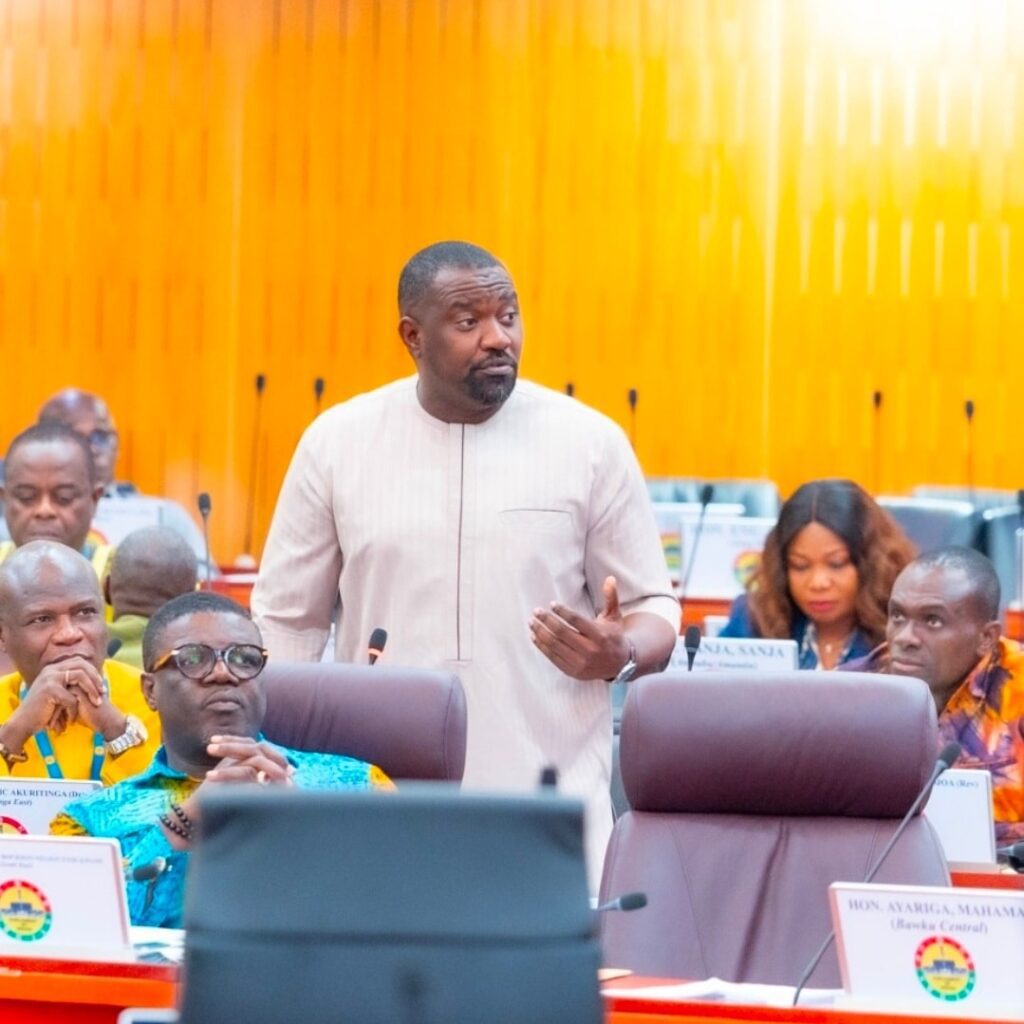
Led by Deputy Minister Hon. John Dumelo, the initiative seeks to harmonize short-term resource redistribution with long-term infrastructure development by addressing the immediate needs of farmers through innovative equipment recovery and planning for a massive nationwide rollout of support hubs.
According to Hon. Dumelo, MoFA is signaling a shift toward a more resilient and self-sufficient economy. Central to this vision is the protection of local Industrialization from the debilitating effects of cross-border smuggling, a challenge that has long undermined the domestic manufacturing base.
The first pillar of this strategy involves an unconventional yet highly effective approach to resource mobilization: the redistribution of equipment confiscated during anti-galamsey operations.



“With regards to irrigation, in the short term, the galamsey pumps that we seized have been distributed to farmers across the country to be able to irrigate their farms – over a thousand pumps.
“In the medium and long term, that is where we are developing the Kpong Left Bank; but these are huge irrigation schemes that might take a little time to fully complete and function.”
Hon. John Dumelo, Deputy Minister for Food and Agriculture
The Deputy Minister noted the irony that pumps, once used to degrade the environment, are now being repurposed by MoFA to sustain it. By providing over a thousand pumps to farmers across the country, the Ministry is enabling year-round cultivation, effectively decoupling food production from the unpredictable nature of seasonal rainfall.
This move serves as a critical stop-gap measure while more permanent, large-scale irrigation schemes, such as the Kpong Left Bank project, move toward completion.
Farm Service Centres
Beyond the immediate provision of irrigation equipment, the Ministry of Food and Agriculture is embarking on a transformative infrastructure project: the establishment of 250 Farm Service Centres.
Hon. Dumelo explained that these centers are designed to act as strategic nerve centers for rural Agriculture, providing smallholder and commercial farmers alike with unprecedented access to “mechanization, high-quality chemicals, and essential subsidies.”
“The establishment of the centres would help remove longstanding barriers that limit farmers’ access to critical inputs and financial support, thereby boosting productivity and strengthening the country’s food security agenda”
Hon. John Dumelo, Deputy Minister for Food and Agriculture
The rollout is scheduled to take place over the next four years, with a significant milestone occurring by the end of 2026. The Office of the President is scheduled to officially launch the first of these centers with a sod-cutting ceremony in the Afram Plains of the Eastern Region soon, a location chosen for its immense potential as a national breadbasket.

President John Dramani Mahama’s personal involvement underscores the high-level political will behind the project. By localizing support services, MoFA aims to remove the logistical and financial bottlenecks that have historically stifled productivity, ensuring that the benefits of Industrialization reach the farm gate.
“This year alone, we will cut the sod for almost eleven or twelve Farm Service Centres,” the Deputy Minister added. A significant portion of MoFA’s focus is also directed toward the protection of Ghana’s nascent manufacturing sectors.
The Deputy Minister highlighted a troubling trend in the consumption of pasta, noting that cheaper, smuggled imports from Togo are saturating the Ghanaian market.
This influx of unofficial goods not only distorts national consumption statistics but also poses a direct threat to the survival of local factories. For MoFA, achieving food sovereignty is as much about securing the borders as it is about increasing yields.
The call for stricter border controls is a response to the “smuggling bandits,” who undermine the domestic Industrialization of food products. By ensuring that locally manufactured goods – produced under the standards and regulations of the Ministry – are not undercut by illegal imports, the government aims to create a fair playing field for Ghanaian entrepreneurs.
This protectionist stance is framed as a necessary step in encouraging citizens to “consume what we grow,” thereby strengthening the entire value chain from the field to the factory.
Integrated Economic Growth
The convergence of irrigation, service centers, and market protection suggests a holistic understanding of the challenges facing the Agriculture sector. MoFA is not merely looking at farming in isolation but as a foundational element of national stability and industrial growth.
As the first phase of the Farm Service Centres nears completion toward the end of 2026, the success of these measures will be measured by the increase in local production and the subsequent decrease in the national import bill.

The Deputy Minister’s remarks reflect a sense of urgency, acknowledging that while long-term projects like the Kpong Left Bank are vital, the immediate survival of the farmer depends on the Ministry’s ability to provide tools and protect markets today.
Ultimately, the drive toward food sovereignty in Ghana is being built on a platform of pragmatism. From repurposing confiscated mining equipment to building a network of 250 service hubs, the Ministry of Food and Agriculture is attempting to create an environment where Agriculture can thrive as a modern, industrial enterprise.
As President Mahama prepares to cut the sod in Afram Plains, the nation watches to see if these ambitious plans will translate into the tangible food security and economic independence that have been promised to the Ghanaian people.
READ ALSO: President Mahama Bans Foreign Trips by SOE Boards