
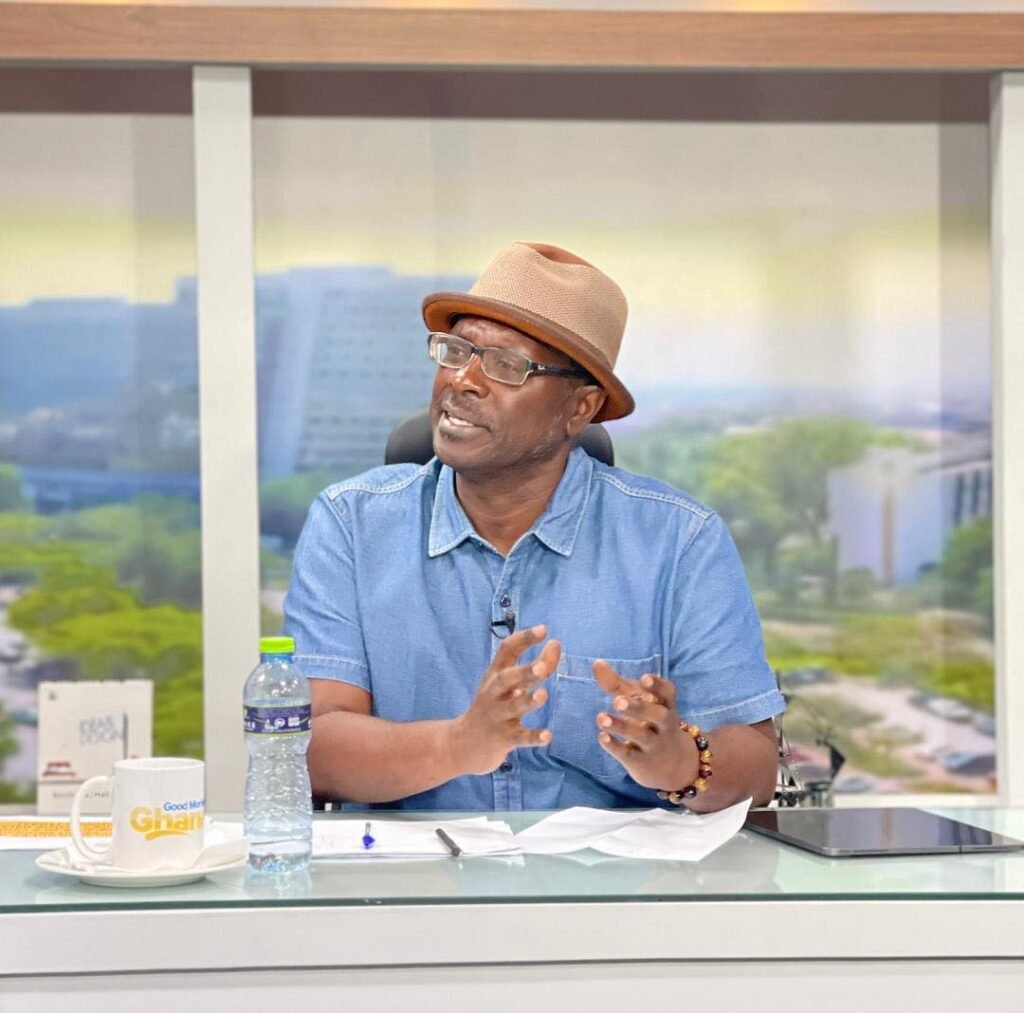
A fellow of the Center for Democratic Development, Ghana (CDD-Ghana) and legal scholar Professor Stephen Kwaku Asare has called for decisive state action following revelations from a special audit of government arrears claims that uncovered significant irregularities in financial submissions by public institutions.
Professor Asare, widely known as “GOGO,” said the findings of the audit reveal troubling weaknesses in the way public funds are managed and accounted for in Ghana.
The report, conducted by the Auditor-General of Ghana with technical support from PricewaterhouseCoopers and Ernst & Young, examined claims submitted by government ministries and agencies for payment by the state.
According to the audit, ministries submitted claims totaling more than GH¢68.7 billion cedis, asserting that the government owed contractors, suppliers, and other service providers for work carried out or goods delivered.
However, the verification process uncovered significant discrepancies that have raised questions about the accuracy and legitimacy of many of the claims presented for payment. Professor Asare described the findings as a serious warning about systemic weaknesses in the country’s financial management framework.
“A special audit of government claims has revealed something deeply troubling about how public money is handled in Ghana,” he said, stressing that the issue goes beyond isolated accounting errors.

Billions of Cedis in Claims Rejected
The audit found that more than GH¢8.1 billion cedis in claims were rejected outright after auditors determined that they were unsupported, duplicated, inflated, already paid, or simply incorrect. According to Professor Asare, these claims might have been processed and paid if the audit had not intervened to scrutinize the submissions.
“These were claims that would likely have been paid but for the audit. That amount could easily have disappeared into people’s pockets.”
CDD-Ghana Fellow and legal scholar, Professor Stephen Kwaku Asare
Beyond the rejected claims, the audit also identified another GH¢13.3 billion cedis in submissions that could not be verified and therefore require further justification before any payment can be considered. The findings point to several troubling patterns in the claims submitted by government institutions.
Some of the claims lacked basic supporting documentation, while others appeared to have been inflated beyond the actual value of work performed or services delivered. In other instances, contractors sought payment for projects that had already been paid for or had not been properly executed.
Professor Asare said these irregularities suggest deeper systemic problems rather than isolated administrative lapses. “These are not minor accounting errors,” he said. “This points to a systemic breakdown in the management of public money.”
Call for Accountability and Investigations
The legal scholar emphasised that while the audit has performed an important oversight function by exposing irregularities, the work must now move beyond documentation to enforcement and accountability.

According to him, the country must undertake a comprehensive investigation into the individuals and entities responsible for submitting the questionable claims. “The audit has done its job by exposing the problem. But exposure alone is not accountability,” he stated.
Professor Asare argued that authorities must identify who submitted the disputed claims, who approved them within the public service, and who stood to benefit from their eventual payment.
He also called for efforts to recover any public funds that may have already been paid out improperly. In addition to investigations and financial recovery, he urged disciplinary action against officials found to have facilitated fraudulent or unsupported claims.
Legal Consequences and Institutional Reform
Professor Asare further called for stronger enforcement measures where wrongdoing is established, including prosecution in cases involving criminal conduct.
However, he stressed that legal accountability must be accompanied by broader institutional reforms, particularly within the judicial system. “Without consequences, audits become mere paperwork,” he warned.
According to him, meaningful accountability will require both administrative sanctions and credible legal processes capable of addressing financial misconduct in the public sector. He maintained that strengthening the justice system is essential if prosecutions are to produce meaningful outcomes.
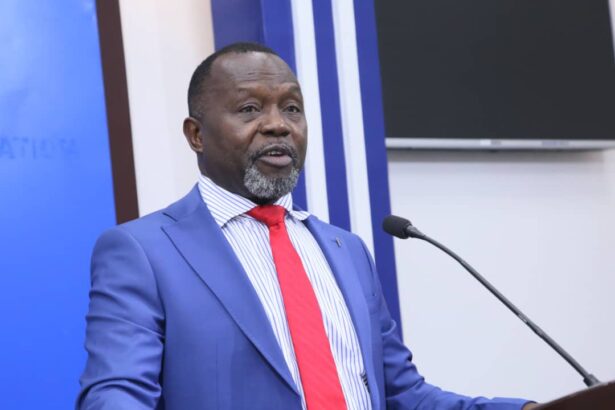
Professor Asare linked the findings of the audit to wider challenges in Ghana’s public service delivery, arguing that mismanagement of public funds has direct consequences for citizens.
He noted that funds lost through inflated claims, unsupported payments, or fraudulent contracts could otherwise be used to support critical public services such as education, healthcare, and infrastructure development.
“What the audit reveals is why teachers and nurses struggle to be paid. It is why roads remain untarred. It is why street lights do not work. And, it is why ECG meters run faster than Usain Bolt. You cannot legitimately complain about these problems while refusing to confront the rot behind them.”
CDD-Ghana Fellow and legal scholar, Professor Stephen Kwaku Asare
Protecting the Public Purse
Professor Asare concluded that the audit presents an important opportunity for the state to demonstrate its commitment to protecting public funds.
He urged authorities to resist any attempts to downplay or ignore the findings, noting that transparency and accountability are essential for strengthening public trust in government institutions.
According to him, the country cannot continue to tolerate a system in which billions of cedis in questionable claims appear in public accounts without serious scrutiny or consequences.
“Public money belongs to the people. Every cedi lost to inflated claims or fraudulent payments is a cedi taken from schools, hospitals, roads, and jobs.”
CDD-Ghana Fellow and legal scholar, Professor Stephen Kwaku Asare
He emphasised that the responsibility now lies with the state to act on the findings of the audit and ensure that the public purse is protected. “The audit has spoken,” Professor Asare said. “The question now is whether the state will defend the public purse or surrender it.”
READ ALSO: GNPC EXPLORCO Issues Scoping Notice for Onshore Oil and Gas Wells