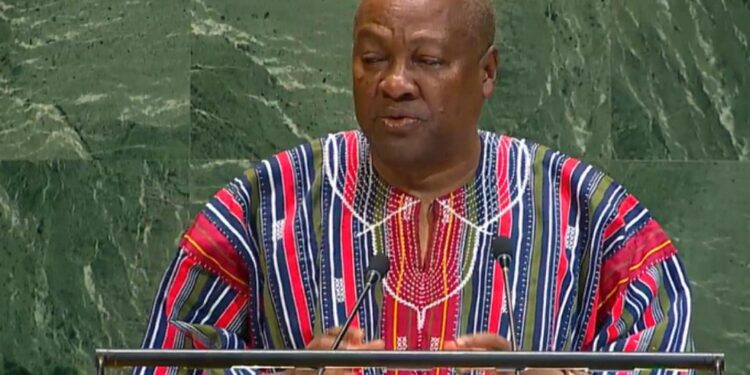
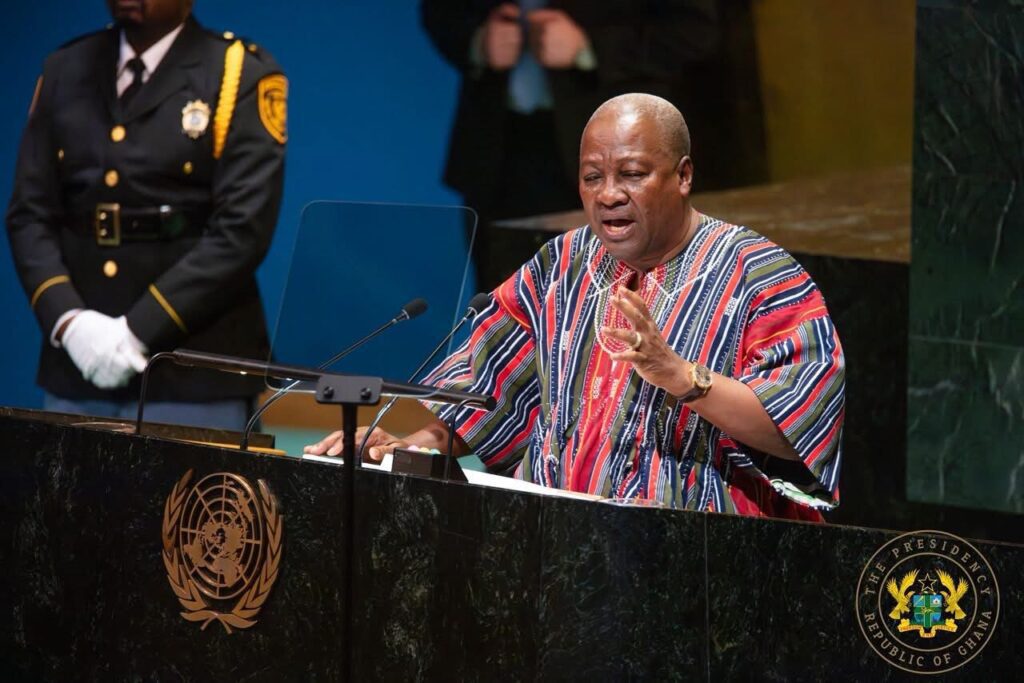
The President of Ghana, HE John Dramani Mahama, is set to table a landmark resolution at the United Nations General Assembly seeking to formally declare the Transatlantic Slave Trade as the gravest crime against humanity.
The move, scheduled for March 25, 2026, marks a significant step in Ghana’s ongoing push for global recognition of historical injustices and the pursuit of reparatory justice.
The initiative follows a pledge made by President John Dramani Mahama during his address to the United Nations General Assembly last year. Ghana is leading the effort in its role as the African Union Champion on Reparations, working in collaboration with the Caribbean Community and other stakeholders representing people of African descent.
According to a statement from the Ministry of Foreign Affairs, the draft resolution will be considered for adoption on a date that coincides with the International Day of Remembrance of the Victims of Slavery and the Transatlantic Slave Trade. The timing underscores the symbolic and historical weight of the initiative.



Defining a Global Historical Reckoning
At the core of the proposed resolution is a formal recognition of the trafficking of enslaved Africans and racialised chattel enslavement as the gravest crime against humanity. The resolution highlights the scale, duration, systemic nature, and enduring consequences of the Transatlantic Slave Trade as justification for this designation.
Ghana argues that the slave trade represents a definitive rupture in world history, with long lasting socio economic effects that continue to shape global inequalities. The resolution is expected to provide a unified international acknowledgment of these realities, moving beyond fragmented historical interpretations.
Officials note that such recognition is not merely symbolic. It is intended to serve as a foundation for deeper conversations around justice, accountability, and reconciliation. By formally naming the historical injustice, the resolution aims to open pathways toward addressing structural imbalances rooted in slavery.
“When adopted, the resolution, which has been endorsed by the African Union would be the first comprehensive resolution on Slavery and the Transatlantic Slave Trade in the 80-year history of the United Nations.”
Ministry of Foreign Affairs, Republic of Ghana
The resolution seeks to preserve historical truth while promoting a global consensus on the need for reparatory justice. It aligns with growing calls from African nations and diaspora communities for concrete measures to address the enduring legacy of slavery.
Ghana’s Foreign Affairs Ministry emphasized that the resolution responds directly to longstanding demands for meaningful engagement on issues of reparations, historical accountability, and healing for affected communities worldwide.
Link to Global Development Inequalities
Beyond its historical significance, the resolution also draws connections between the legacy of slavery and present day global challenges. Ghana maintains that the structural inequalities created during the era of slavery continue to influence debt disparities, development gaps, climate vulnerability, and global financial governance.
By framing the Transatlantic Slave Trade within this broader context, the resolution seeks to reposition historical injustice as a contemporary global issue. It argues that addressing these imbalances requires acknowledgment of their origins and a commitment to corrective action.
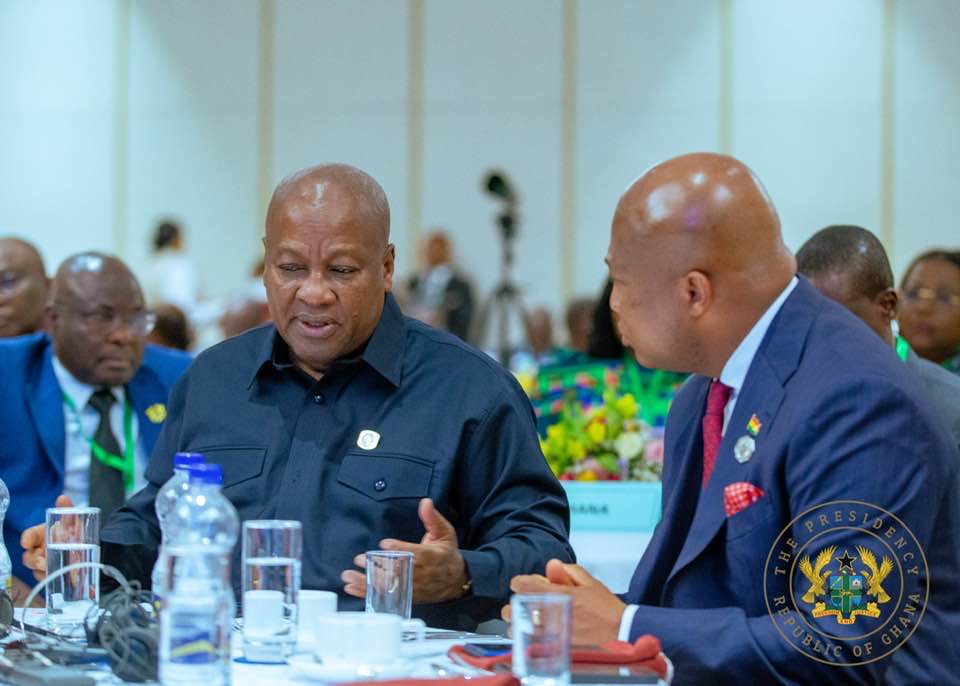
This perspective reflects a growing international discourse that links historical exploitation to current economic and social disparities, particularly in Africa and the Caribbean. Ahead of the formal presentation at the United Nations, Ghana and its partners have scheduled a series of high-level commemorative and policy events in New York.
“Preceding the tabling of the resolution, there will be a solemn wreath laying ceremony at the African Burial Ground in New York on 24th March, 2026, at 8:00 am, and a High-Level Event on Reparatory Justice for the Trafficking of Enslaved Africans and Racialised Chattel Enslavement of Africans on the same day at the UN Conference Room 3 at 10:00 am.”
Ministry of Foreign Affairs, Republic of Ghana
The events are expected to bring together diplomats, policymakers, scholars, and activists to reflect on the legacy of slavery and build momentum for the resolution’s adoption. They also provide an opportunity to engage the international community on the broader implications of the initiative.
Ghana’s diplomatic missions, along with various international organizations and expert groups, have played a key role in preparing the resolution and coordinating these engagements.
Broad International Collaboration
The development of the resolution has involved extensive collaboration across multiple institutions and regions. Key contributors include the United Nations Educational, Scientific and Cultural Organization, the Community of Latin American and Caribbean States, and various African Union bodies focused on reparations.
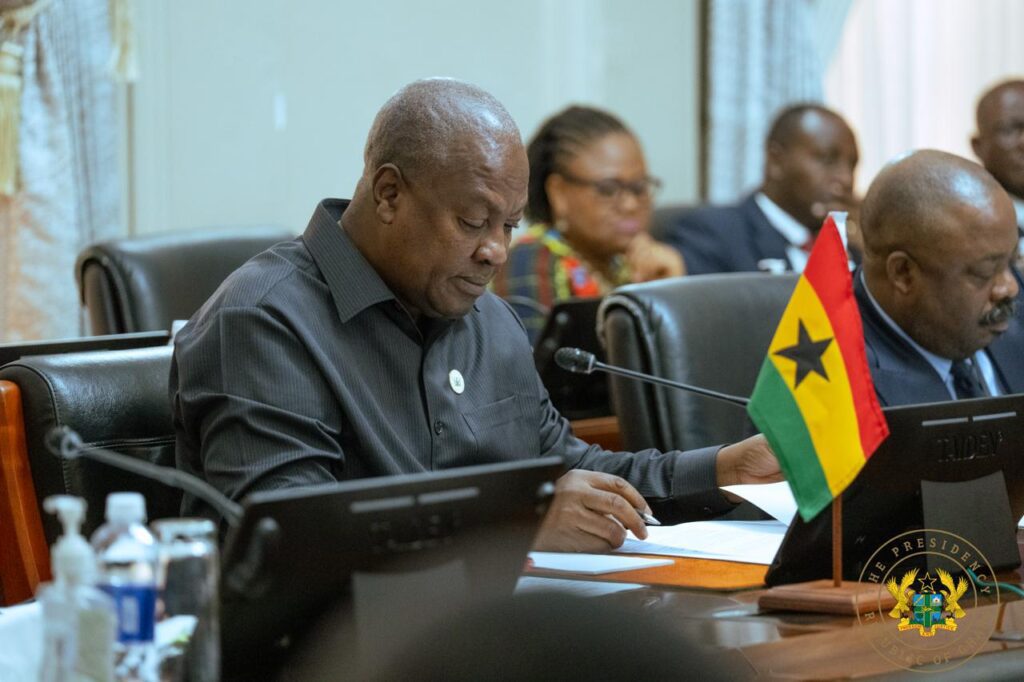
Experts, academics, and civil society organizations have also contributed to shaping the document, ensuring that it reflects a wide range of perspectives and historical insights. This collective effort underscores the global nature of the issue and the shared responsibility for addressing it.
The Ministry of Foreign Affairs expressed appreciation to all stakeholders involved, noting that their contributions have been instrumental in bringing the initiative to this stage.
Call for Global Support
As the date for consideration approaches, Ghana is urging all United Nations member states to support the resolution. Officials have framed the vote as a moral and historical decision, calling on countries to align with principles of justice and truth.
The government maintains that adoption of the resolution would mark a turning point in global efforts to confront the legacy of slavery. It would also strengthen ongoing initiatives under the African Union’s Decade of Action on Reparations and African Heritage, which is set to run from 2026 to 2036.
By leading this effort, Ghana positions itself at the forefront of international advocacy for historical justice and equitable development. The outcome of the vote will likely shape future discussions on reparations and global accountability.
READ ALSO: Trump Vows US Response If Iran Strikes Qatar