Public Interest and Accountability Committee (PIAC) has moved to strengthen its working relationship with the Ministry of Finance to ensure more rigorous monitoring of Ghana’s oil wealth.
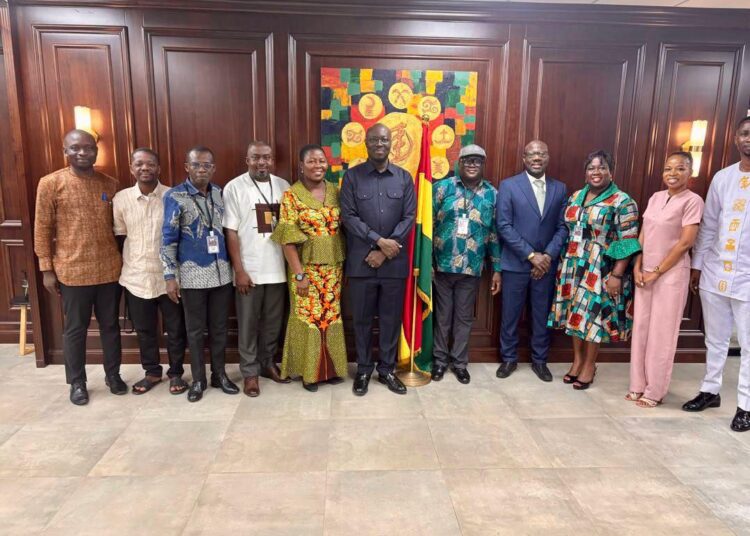
A high-level delegation from the committee recently held a consultative meeting with the Minister of Finance, Dr. Cassiel Ato Forson, in Accra to synchronize efforts on the management and tracking of petroleum receipts.
This strategic courtesy call marks a pivotal moment in the 2026 fiscal year, as both entities seek to align their objectives toward achieving maximum value for the nation’s natural resources.
“PIAC remains committed to engaging key stakeholders as part of its mandate to promote transparency and accountability in Ghana’s petroleum revenue management and use.”
Public Interest and Accountability Committee (PIAC)

Led by its newly elected Chair, Richard Ellimah, the PIAC team engaged the Minister in a technical dialogue focused on the transparent allocation and prudent utilization of petroleum revenues.
The discussions primarily addressed the current challenges in revenue management and the necessity of ensuring that oil proceeds are channeled into projects that drive sustainable national development.
By fostering a closer partnership with the Ministry, PIAC aims to bridge information gaps and enhance the efficiency of its statutory oversight, particularly in monitoring the Annual Budget Funding Amount (ABFA) and the Ghana Petroleum Funds.
Enhancing Transparency through Institutional Synergy
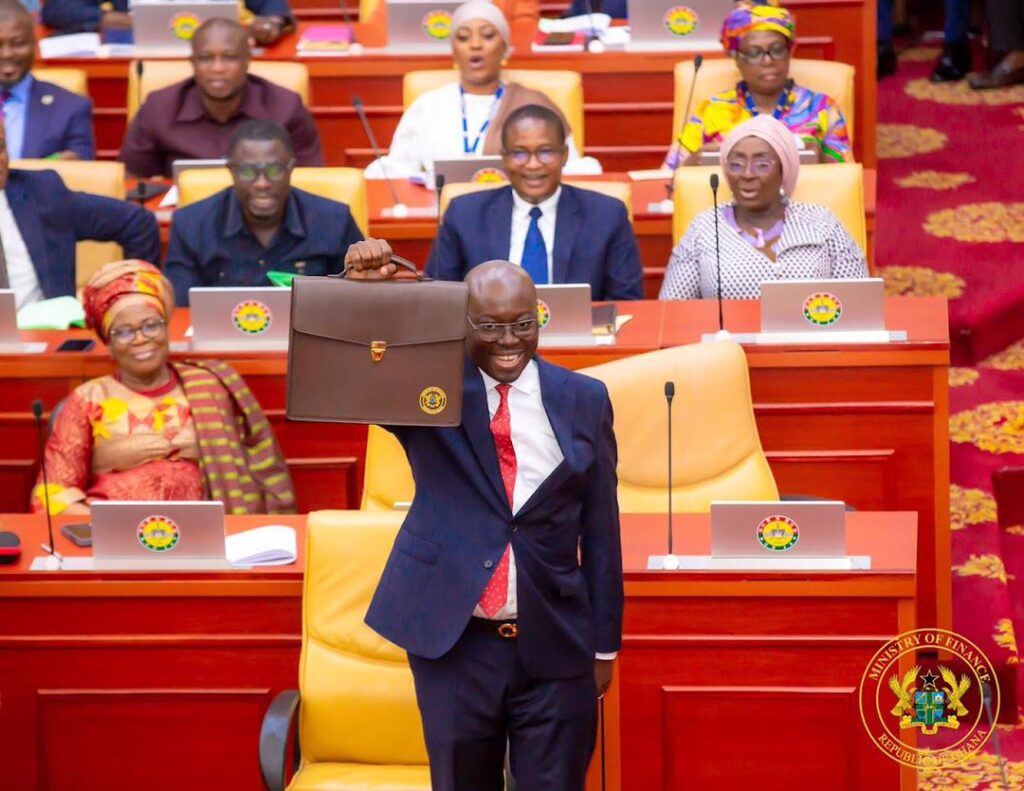
The collaboration between PIAC and the Finance Ministry is set to redefine the framework for petroleum revenue oversight by establishing more fluid data-sharing protocols.
In recent years, delays in receiving comprehensive expenditure data have occasionally hindered the committee’s ability to provide real-time assessments. Through this deepened engagement, Dr. Cassiel Ato Forson expressed the Ministry’s readiness to support PIAC’s mission, noting that “prudent utilization of petroleum resources is a cornerstone of our national development strategy.”
This synergy allows for a more proactive monitoring system where discrepancies can be identified and addressed before the publication of the statutory semi-annual and annual reports.
Safeguarding the Ghana Petroleum Funds

A major focal point of the engagement was the protection of the Ghana Heritage Fund (GHF) and the Ghana Stabilisation Fund (GSF).
As the energy landscape shifts toward a green transition, the prudent management of these sovereign wealth funds becomes even more critical for long-term economic resilience.
Richard Ellimah emphasized that “the engagement provided an opportunity for both institutions to exchange perspectives on transparency,” ensuring that the government’s fiscal policies do not compromise the interests of future generations.
By aligning with the Ministry, PIAC can better evaluate how these funds are being positioned to support the country’s evolving energy needs and infrastructure goals.
Strengthening Accountability for National Development

The engagement also highlighted the need for improved accountability in the selection of priority areas for petroleum revenue spending.
PIAC’s role as a “citizen-led watchdog” is amplified when its recommendations are integrated into the Ministry’s budgetary planning.
This collaboration ensures that the Ministry remains mindful of the Public Interest and Accountability Committee’s findings on project execution and value-for-money audits.
As Ghana navigates the complexities of the global energy market, this united front between the oversight body and the treasury serves as a safeguard against mismanagement, ensuring that petroleum revenues remain a catalyst for “prudent utilization” and broad-based economic growth.
READ ALSO: Rich in Minerals Position Africa as Global Green Energy Driver – Labour Minister