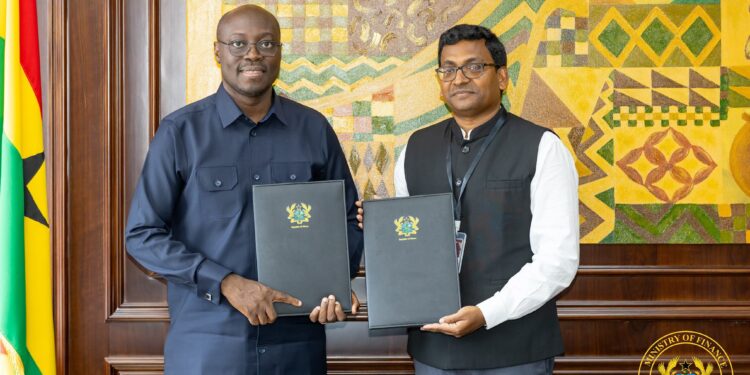
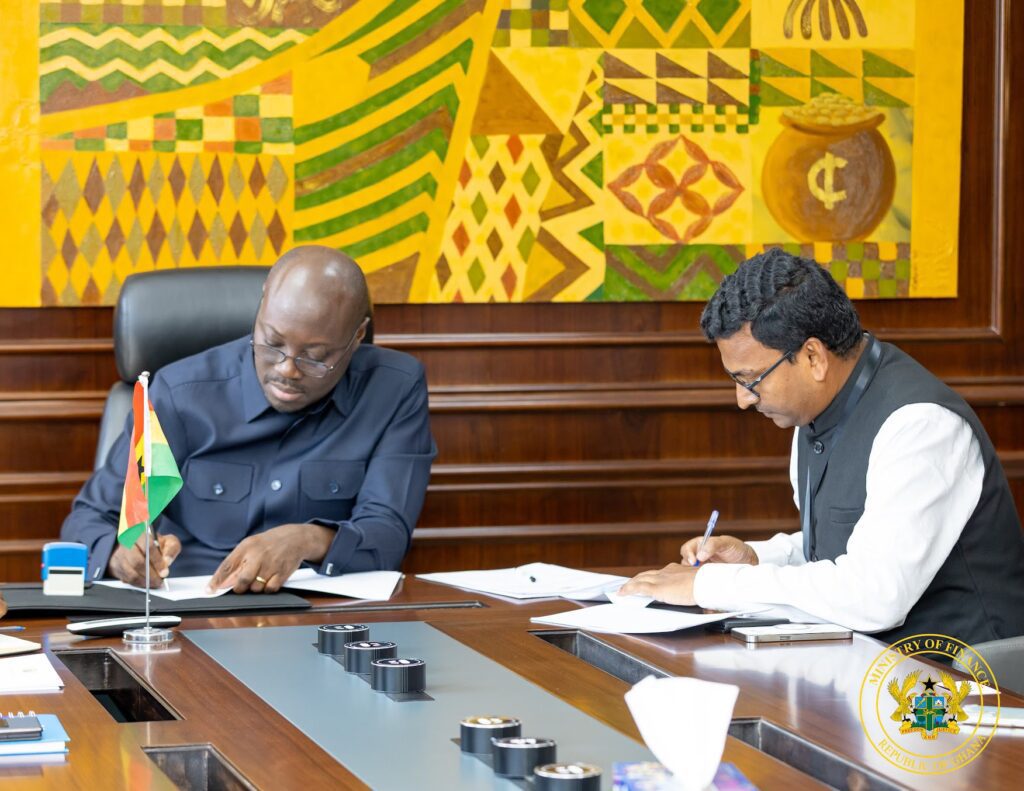
Ghana has taken another step in its ongoing debt restructuring efforts with the signing of its 11th bilateral agreement, this time with the Export Import Bank of India. The Minister for Finance, Cassiel Ato Forson, confirmed the development, describing it as part of a steady path toward restoring fiscal stability.
The agreement marks a continuation of Ghana’s broader strategy to renegotiate its external debt obligations following recent economic challenges. By securing bilateral arrangements with key partners, the government aims to ease repayment pressures while creating space for economic recovery.
Dr Forson noted that the latest agreement reflects growing confidence among international partners in Ghana’s commitment to responsible financial management.
He indicated that the country is making measurable progress in reducing its risk of debt distress. “We are moving steadily towards a low risk of debt distress, with clear indicators that the worst is behind us,” he stated.
The Finance Minister emphasized that the restructuring process is not only about managing existing debt but also about restoring confidence in Ghana’s economic direction.
He explained that the Mahama government is committed to meeting all revised obligations in a timely manner, signaling reliability to creditors and investors.
“Our commitment is firm: to honour all restructured obligations on time and to keep debt sustainability at the core of every financing decision going forward”.
Minister for Finance, Cassiel Ato Forson
This assurance is expected to play a key role in rebuilding trust with development partners and financial institutions, many of whom have been closely monitoring Ghana’s fiscal reforms.
The successful conclusion of multiple bilateral agreements suggests that the country is gradually regaining credibility in international financial markets.
A Shift Away From Unsustainable Borrowing
A central theme of the government’s approach is a clear departure from past borrowing practices that contributed to rising debt levels. Dr Forson stressed that Ghana will adopt a more disciplined and strategic framework for future borrowing.
“Ghana will not return to a path of unsustainable borrowing,” he declared, underscoring a renewed commitment to fiscal prudence. The government’s strategy involves prioritizing loans that deliver measurable economic benefits while avoiding unnecessary or poorly structured debt.
This shift is intended to ensure that borrowing decisions align with long-term development goals and do not compromise financial stability. As part of efforts to institutionalize this new approach, the government plans to introduce a Loans Act that will set clear guidelines for the use of borrowed funds.
According to the Finance Minister, the proposed legislation will ensure that all loans are tied to projects that provide significant value for money. The Act is expected to establish stricter criteria for approving loans, focusing on transparency, accountability, and impact.
By doing so, it aims to prevent misuse of borrowed funds and ensure that investments contribute meaningfully to national development. “Our guiding principle is simple: whatever we borrow must be worth it and must deliver tangible benefits to the Ghanaian people,” Dr Forson explained.
Aligning Borrowing With Development Priorities
The proposed reforms reflect a broader effort to align public borrowing with Ghana’s development priorities. By linking loans to high impact projects, the government seeks to maximize the returns on borrowed funds and support sustainable economic growth.

This approach also emphasizes the importance of value for money in public spending, ensuring that resources are used efficiently and effectively. It represents a shift toward a more results driven model of fiscal management, where accountability and outcomes are central considerations.
The Finance Minister indicated that this strategy will help create a more resilient economic framework, reducing vulnerability to external shocks and improving long term stability.
The signing of the agreement with India Exim is part of a broader restructuring program aimed at restoring Ghana’s debt sustainability. By renegotiating terms with creditors, the government is working to reduce the burden of debt servicing and create fiscal space for essential public investments.
The cumulative effect of these agreements is expected to strengthen Ghana’s financial position and support its economic recovery efforts. As the country continues to implement reforms, the focus remains on maintaining discipline and avoiding a return to previous challenges.
Dr Forson expressed confidence that the measures being implemented will position Ghana on a more stable and sustainable path. He noted that while challenges remain, the progress made so far provides a strong foundation for future growth.
A Measured Path Forward
The government’s approach reflects a balance between immediate financial relief and long term structural reform. By combining debt restructuring with policy changes, Ghana is seeking to address both the symptoms and underlying causes of its fiscal challenges.
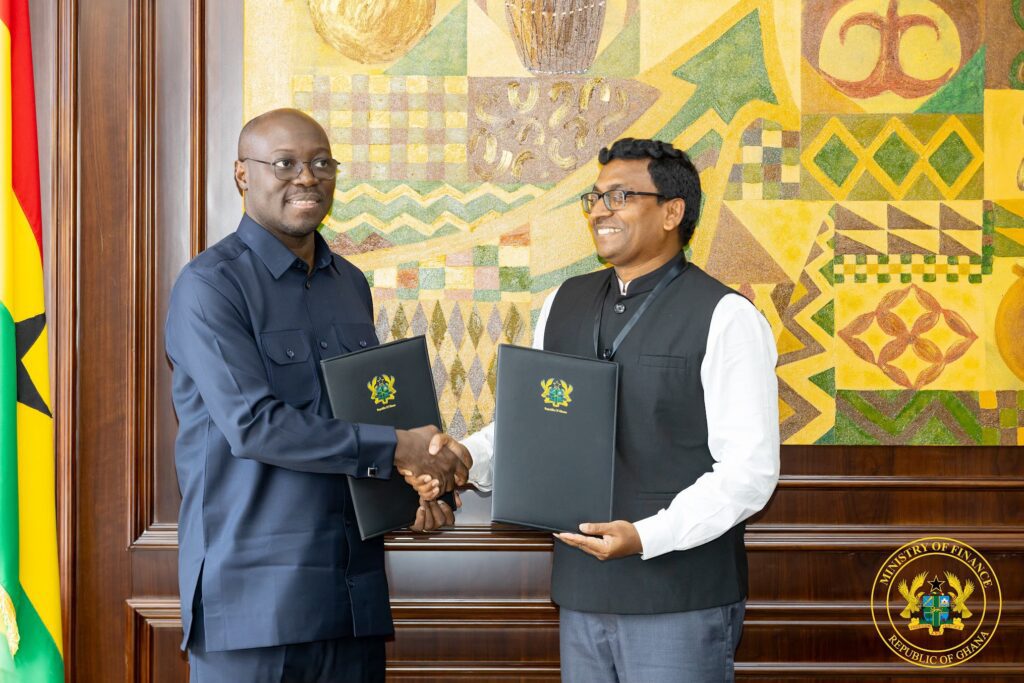
As the country moves forward, the emphasis will be on sustaining these gains and ensuring that reforms translate into tangible improvements in economic performance and public welfare. The latest agreement with India Exim stands as another milestone in this ongoing process.
READ ALSO: Audit Arrears Yields Result as Government Recovers GH¢19.1m