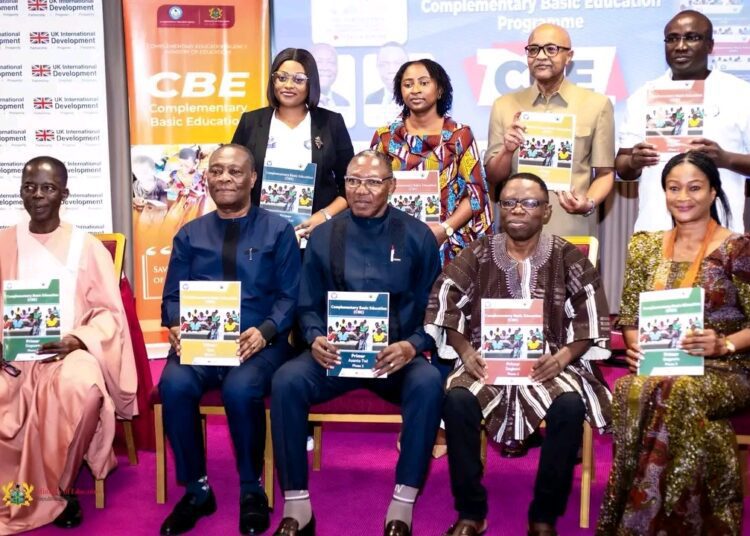
The Complementary Basic Education Curriculum Ghana has been officially launched by the Complementary Education Agency (CEA) under the Ministry of Education, marking a major step in expanding access to learning opportunities for out-of-school children across the country.
The revised curriculum forms part of government’s broader effort to strengthen inclusive education and ensure that no child is left behind, particularly those who have missed out on formal schooling due to poverty, distance, or social challenges.
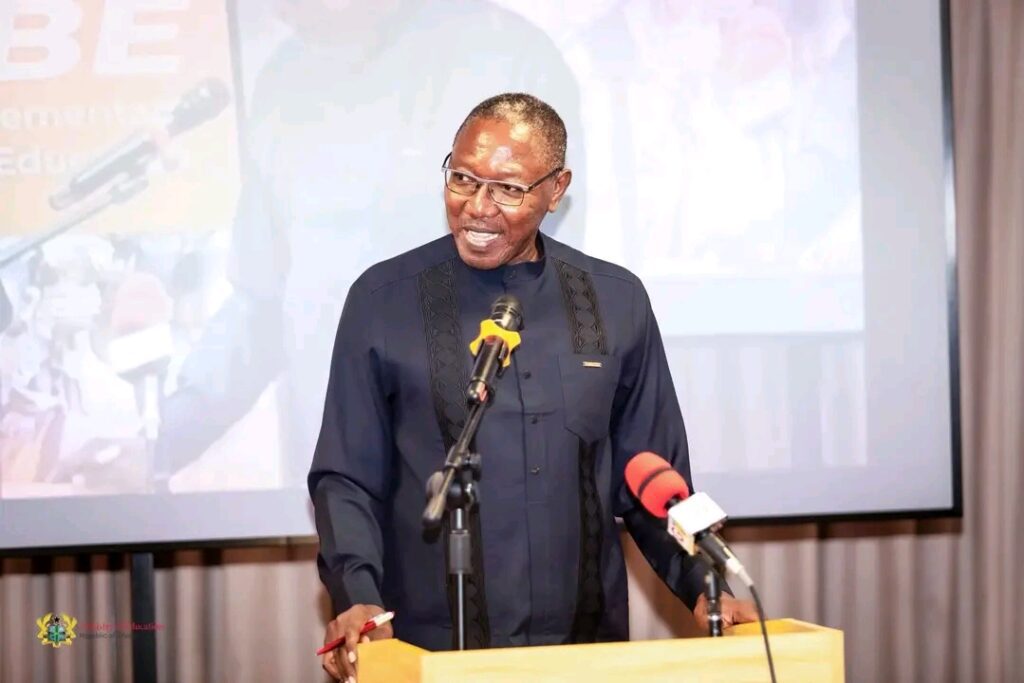
Speaking at the launch, Deputy Minister for Education, Dr. Clement Abass Apaak, described the initiative as a timely intervention aimed at improving foundational learning outcomes.
“This revised curriculum is a critical intervention to strengthen foundational literacy and numeracy, particularly for children who have missed out on formal education.”
Dr. Clement Abass Apaak, Deputy Minister of Education.
He added that the programme aligns with government’s commitment to delivering inclusive and equitable education for all, in line with global development goals.
Bridging the Gap for Out-of-School Children
The Complementary Basic Education (CBE) programme is designed to provide accelerated learning opportunities for children aged between 8 and 14 who are not in school. It equips them with basic literacy and numeracy skills within a short period and supports their transition into formal education.
According to education sector reports, the programme has already helped hundreds of thousands of children acquire basic skills and re-enter the formal school system, giving them a second chance at education. The initiative uses flexible, community-based learning approaches, often delivered in local languages, to make education more accessible and relevant to learners in underserved communities.
Education experts further note that the Complementary Basic Education Curriculum Ghana builds on a model that has already delivered measurable impact across the country. The programme has supported thousands of out-of-school children to acquire basic literacy and numeracy skills within a short period and successfully transition into formal schooling.

According to available data, many beneficiaries are able to re-enter the education system at primary levels after completing the accelerated learning cycle, giving them a second chance at education and improved life opportunities. This, stakeholders say, reinforces the importance of scaling up the initiative to reach more underserved communities nationwide.
Stakeholders Emphasise Collaboration
Chairing the event, Technical Advisor to the Minister, Prof. George K. T. Oduro, highlighted the importance of sustained collaboration among stakeholders in ensuring the success of the programme.
“The CBE Programme plays a critical role in bridging learning gaps and supporting children who have missed out on formal schooling.”
Prof. George K. T. Oduro, Technical Advisor to the Minister
He stressed that effective implementation would depend on strong partnerships between government agencies, communities, and development partners.
Development Partners Pledge Support
Development partners present at the event reaffirmed their commitment to supporting Ghana’s education sector, particularly initiatives that promote inclusion and improve learning outcomes.
They commended the Ministry of Education and the CEA for taking bold steps to address the challenge of out-of-school children and pledged continued technical and financial support.
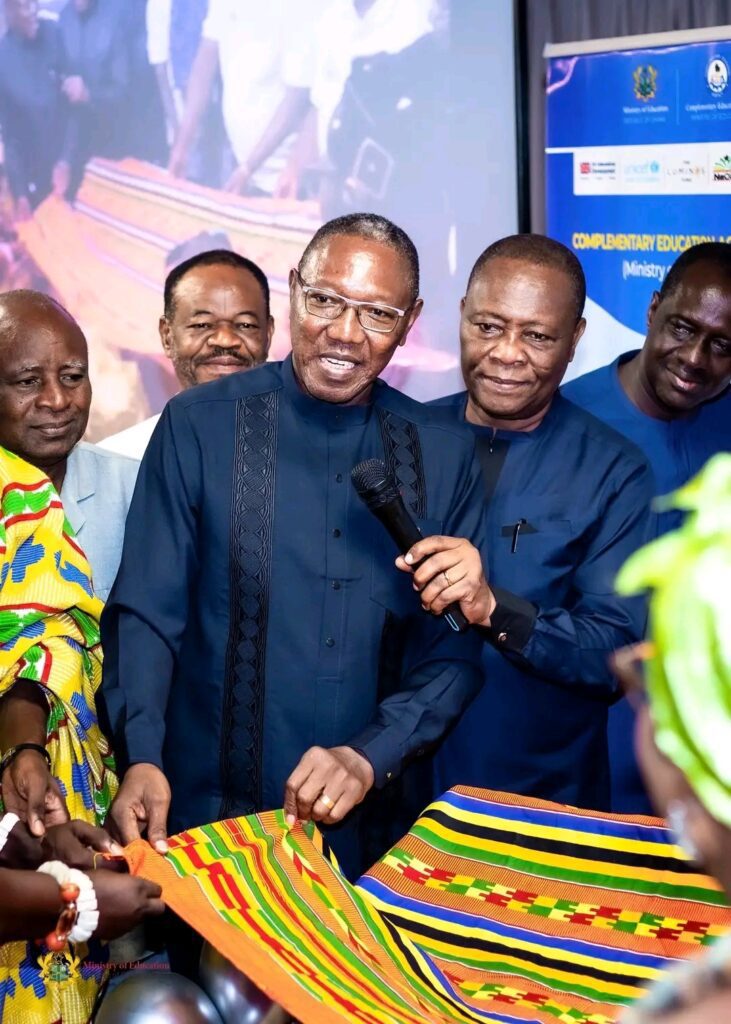
Over the years, partnerships between government and international organisations have played a key role in expanding the reach of complementary education programmes, especially in deprived and hard-to-reach communities.
Strengthening Inclusive Education
The Complementary Education Agency, established under Act 1055, is mandated to oversee and promote complementary education in Ghana, ensuring that vulnerable groups have access to quality learning opportunities.
Officials say the revised curriculum will not only improve learning outcomes but also strengthen the overall education system by reducing the number of out-of-school children and supporting national development.
With the introduction of the Complementary Basic Education Curriculum Ghana, stakeholders are optimistic that more children will gain access to education, acquire essential skills, and transition successfully into formal schooling.
READ ALSO: NPA To Enforce 24-Hour Readiness Standards For Downstream Sector