
The African Energy Chamber (AEC) is spearheading a decisive industry-wide movement by calling on African nations to boycott global energy platforms that fail to prioritize local representation and inclusive talent management.
This strategic push for withdrawal follows increasing frustrations over the systemic marginalization of African professionals at major international summits, most notably the Africa Energies Summit in London.
By urging key producers like Nigeria and Senegal to join Ghana and Mozambique in their recent exit from these forums, the AEC aims to challenge the structural imbalances that have long characterized the continent’s engagement with global energy networks.
“Africa will no longer sit quietly while its talent is excluded from opportunities on its own continent. We will not accept being ‘Blacked-out’ of the oil and gas industry. Protect your people, your companies, and your energy future.”
Dr. Ndjuga Dieng, Managing Director of Alliance Energy.

This escalation marks a significant shift in African energy diplomacy, moving from passive attendance to conditional participation based on equitable inclusion. Industry stakeholders, led by the AEC, have singled out the Frontier Energy Network for criticism, alleging that the organization hosts Africa-focused forums while excluding Black African professionals from its own leadership and decision-making roles.
The Chamber contends that such exclusionary practices directly hinder local capacity development and prevent the meaningful transfer of knowledge essential for the continent’s industrial growth.
As Mozambique and Ghana have already demonstrated by withdrawing from the London summit earlier this year, African leaders are increasingly prepared to use their presence and financial support as leverage to demand a transition from “extraction to partnership.”
The High Cost of Marginalization in Local Content Development

The participation concerns raised by the AEC are not merely symbolic; they address a deep-seated economic drain that has historically plagued Africa’s energy sector.
For decades, the exclusion of local talent from high-level technical and strategic roles has reinforced a cycle of dependency on foreign expertise, often referred to as a “knowledge vacuum.”
When African professionals are sidelined at global forums the very places where major deals are struck and technologies are shared the resulting lack of networking and mentorship opportunities creates a glass ceiling for indigenous firms.
This marginalization has directly slowed the implementation of local content policies in emerging markets, as domestic companies struggle to gain the visibility required to compete for major service contracts against international giants.
Shifting the Narrative Toward Energy Sovereignty

A comprehensive research into recent industry trends reveals that the lack of local participation has cost the continent billions in potential domestic value creation.
In countries like Ghana and Nigeria, where local content laws are strictly codified, the failure of international platforms to reflect these values creates a disconnect between policy and practice.
This misalignment often leads to “business fronting,” where local firms are used as shells for foreign interests rather than becoming genuine drivers of the value chain. By boycotting events perceived as discriminatory, African leaders are asserting their “energy sovereignty,” signaling that the future of the continent’s oil, gas, and green transition must be designed and directed by those who live there.
A New Blueprint for Strategic Partnerships
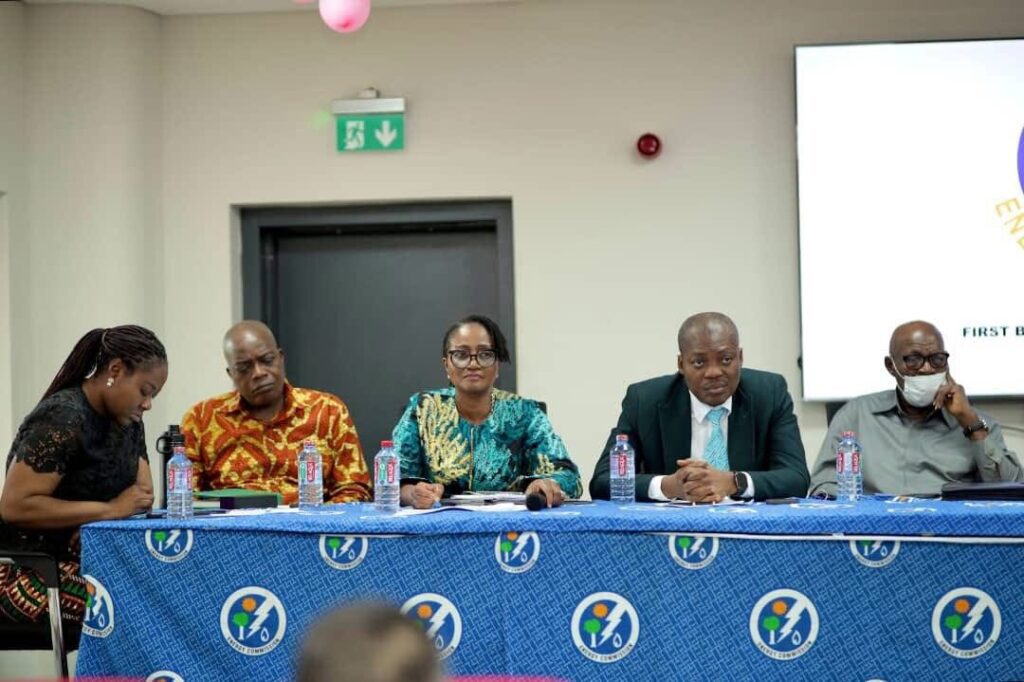
The current pushback is reshaping how international energy organizers must approach the African market if they wish to remain relevant.
The AEC has pointed to alternative models, such as the Invest in African Energy Forum, where African leadership is embedded into the core of the programming and deal-making processes.
These platforms emphasize that “local content cannot remain a talking point reserved for conference stages” but must be reflected in hiring and leadership.
Moving forward, the success of Africa’s energy transition and its continued growth in the global market will depend on whether international partners are willing to treat African talent as central architects of the sector rather than peripheral observers.
READ ALSO: Government Secures Full Funding for Free Primary Healthcare Rollout