Ghana National Petroleum Corporation (GNPC) Acting Chief Executive Officer Mr. Kwame Ntow Amoah, has described the recently signed landmark commercial framework agreement between the Government of Ghana and international partners, ENI Ghana E&P and Vitol Upstream Ghana Limited as a planned expansion that shows the importance of sustained partnership and investment in strengthening domestic supply and reliable power generation.
This strategic term sheet which outlines the foundational principles for a massive expansion of domestic gas production, signals a unified commitment to utilizing indigenous natural resources as the primary engine for national stability.
By aligning the interests of the state with global energy giants, the agreement ensures that the infrastructure necessary for the next phase of the OCTP project is prioritized to meet the surging energy requirements of the Ghanaian economy.
“Natural gas remains critical to Ghana’s energy mix, industrial growth, and economic competitiveness. This planned expansion shows the importance of sustained partnership and investment in strengthening domestic supply, supporting reliable power generation, and advancing the long-term energy security objectives for the country.”
Acting Chief Executive Officer Mr. Kwame Ntow Amoah
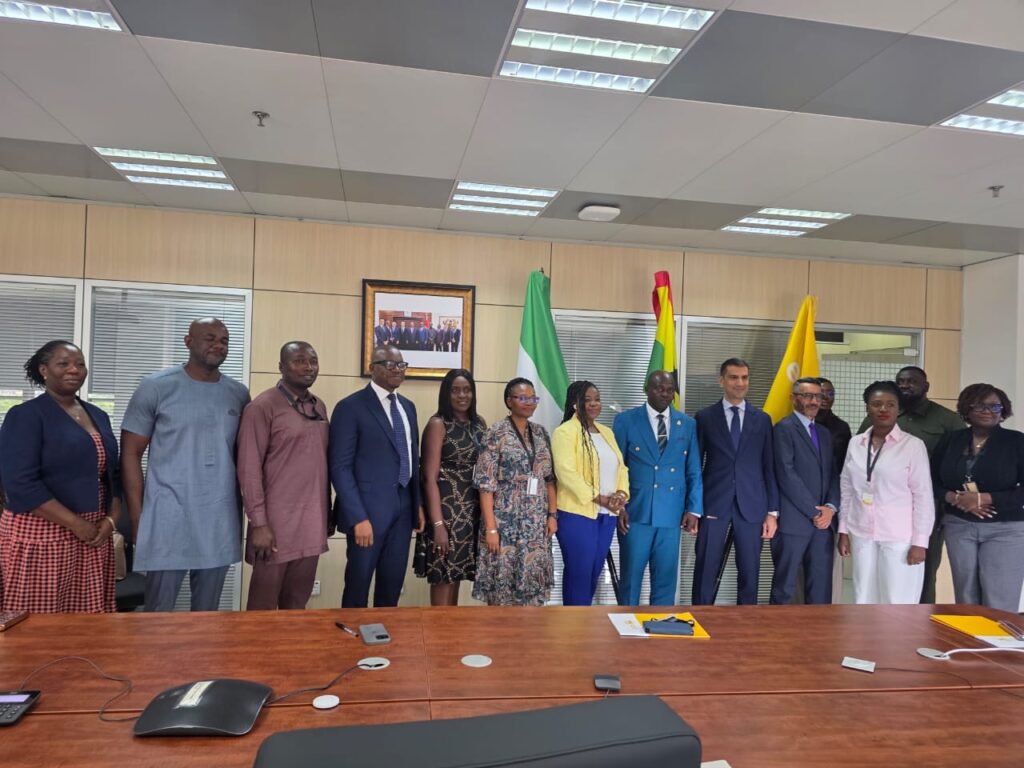
Building upon a foundational Memorandum of Intent signed in September 2025, this new phase of development represents a sophisticated evolution of Ghana’s upstream strategy, overseen by the Minister for Energy and Green Transition, Dr. John Jinapor, and the Minister for Finance, Dr. Cassiel Ato Forson.
The planned upgrade is a multi-faceted technical undertaking that involves the comprehensive development of the Gye Nyame field, alongside the installation of high-capacity booster compressors and specialized gas infrastructure on the project’s Floating Production Storage and Offloading (FPSO) vessel.
These enhancements are engineered to boost gas output to a staggering 350 million standard cubic feet per day (MMscfd) by 2028, effectively doubling down on the OCTP’s role as the backbone of the country’s thermal power sector.
Strengthening the Upstream Petroleum Value Chain
The signing of this term sheet serves as a catalyst for the modernization of Ghana’s upstream petroleum industry by introducing high-level technical efficiencies and capital injection.
By focusing on the NAG Upgrade Project, the partners are essentially “future-proofing” the Offshore Cape Three Points asset, ensuring that the reservoir’s potential is fully realized through advanced extraction technologies.
This development phase is expected to attract significant foreign direct investment (FDI), which not only finances the physical infrastructure on the FPSO but also stimulates the local content ecosystem.
Service providers within the Ghanaian oil and gas space ranging from engineering firms to logistics providers stand to benefit from the increased activity surrounding the Gye Nyame field development.

Furthermore, the technical complexity of installing booster compressors and expanding FPSO capacity facilitates knowledge transfer between ENI, Vitol, and GNPC’s technical teams.
This enhances the indigenous capacity to manage complex offshore operations, thereby maturing the regulatory and operational standards of the entire upstream sector.
Economic Resilience through Domestic Gas Sufficiency
At the heart of this expansion is the drive to insulate the Ghanaian economy from the volatility of international fuel markets. By targeting a production capacity of 350 MMscfd, the GNPC and its partners are creating a buffer against the high costs of imported light crude oil and liquefied natural gas (LNG).
This shift toward domestic gas sufficiency is expected to drastically lower the cost of power generation for the Volta River Authority (VRA) and independent power producers (IPPs), which in turn translates to more competitive tariffs for industrial consumers and households.
The economic ripple effects are profound; as domestic gas supply becomes more reliable, Ghana can position itself as a regional hub for energy-intensive industries such as bauxite refining, steel manufacturing, and fertilizer production.
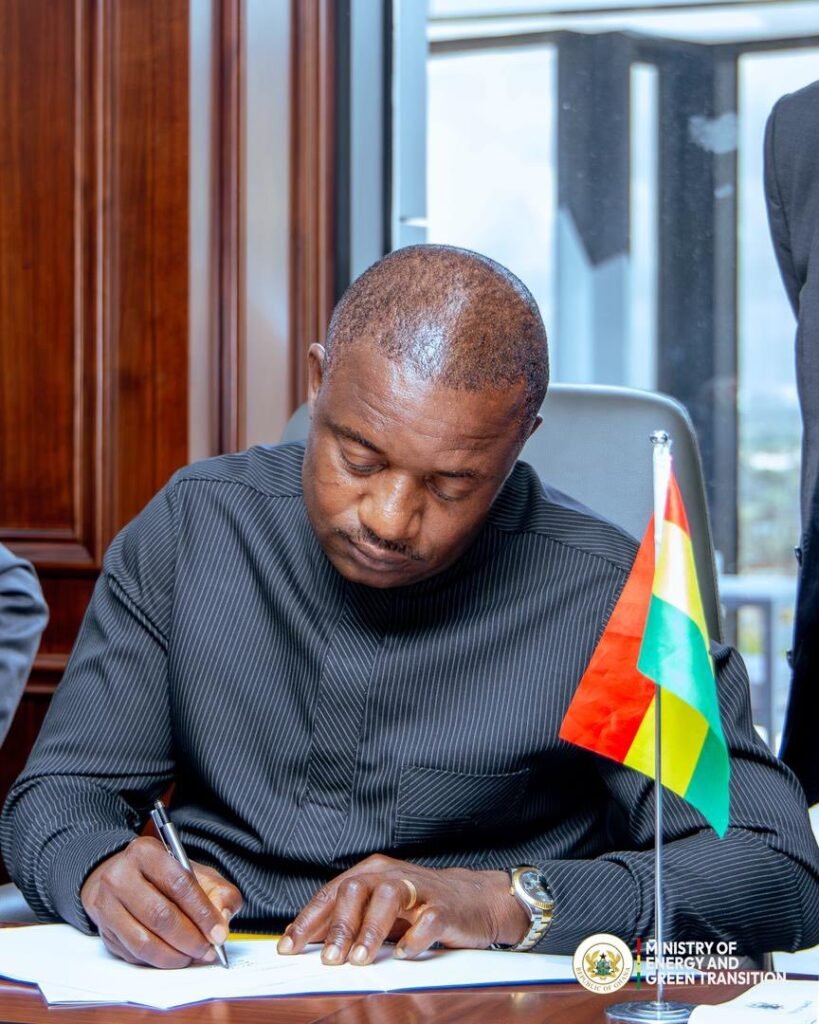
This transition supports the “Green Transition” agenda by utilizing gas a cleaner-burning fossil fuel to bridge the gap toward a more sustainable energy future while maintaining the baseload power necessary for industrialization.
Long-Term Energy Security and Strategic Infrastructure
The OCTP NAG Upgrade Project is more than just a production boost; it is a strategic reinforcement of Ghana’s energy sovereignty.
The installation of additional gas infrastructure on the project’s FPSO ensures that the country can maintain a steady flow of molecules to the Western and Eastern power enclaves, even as demand fluctuates.
Mr. Kwame Ntow Amoah emphasized that “safeguarding Ghana’s long-term energy growth” requires this level of sustained investment in infrastructure that can withstand the pressures of a growing economy.
As the project moves toward formal approvals and implementation, the synergy between the Ministry of Energy, the Ministry of Finance, and the OCTP partners will remain paramount.

This collaboration serves as a blueprint for how public-private partnerships can effectively address the energy trilemma: achieving security, affordability, and sustainability.
Through the successful execution of this upgrade, Ghana is set to solidify its status as a leader in the West African energy landscape, ensuring that the “domestic gas supply is significantly expanded in the coming years” to fuel a prosperous and energy-secure nation.
READ ALSO: Ted Turner, CNN Founder and Media Visionary, Dies at 87