The government has secured full financial backing for the rollout of its free primary healthcare programme, signaling a major step toward expanding access to healthcare services across Ghana. The initiative, set to launch on April 15, 2026, is backed by a comprehensive funding structure designed to ensure sustainability and long term impact.
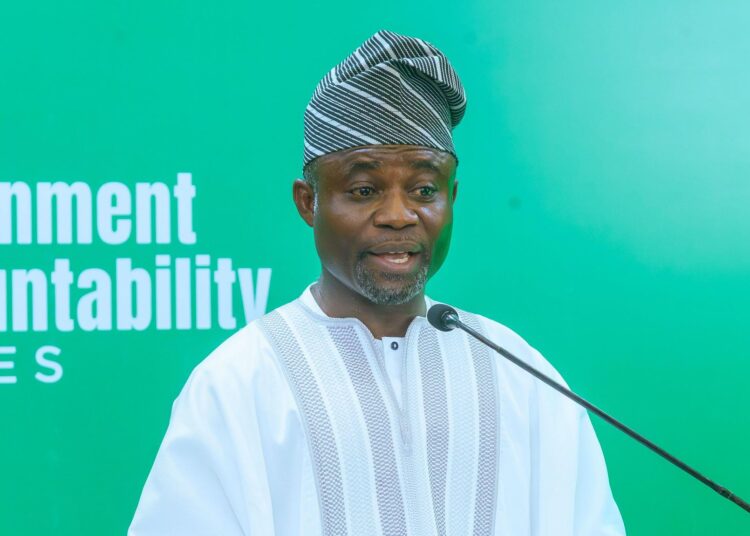
Speaking at the Government Accountability Series at the Jubilee House, Hon. Kwabena Mintah Akandoh, Minister of Health assured the public that the programme is not an improvised intervention but a carefully planned policy with secured financing.
“Financing mechanisms have been aligned and the budget fully integrated into the national health insurance budget,” he stated, adding that the government has avoided introducing new bureaucratic structures to administer the programme.
According to the Minister, the funding model relies heavily on the National Health Insurance Scheme, which will serve as the central platform for financing service delivery.
This approach, he explained, is made possible by the uncapping of the scheme, a policy decision implemented under the leadership of John Dramani Mahama.
Integrated Budget and Long Term Financial Planning
The free primary healthcare programme has been incorporated into the 2026 national budget through the health insurance formula approved by Parliament. The Minister disclosed that the government has completed detailed cost projections, estimating that at least GH₵1.2 billion will be required annually to sustain the initiative.
“We have done the costing, and we know what it will take to run this programme. It is not an ad hoc policy. We have thought through it, engaged widely, and we are on safe ground.”
Minister for Health, Kwabena Mintah Akandoh
Officials indicate that the annual funding could range between GH₵1.2 billion and GH₵1.5 billion, depending on service demand and expansion phases. A significant portion of the financing is expected to come from the Annual Budget Funding Amount, supported by increased oil revenues from new production activities.

By anchoring the programme within existing financial systems, the government aims to ensure continuity and avoid disruptions that often affect externally funded health initiatives.
Hybrid Payment Model for Service Delivery
To support efficient implementation, the government has adopted a hybrid payment model that distinguishes between different types of healthcare services.
Preventive and promotive services will be financed through population based payments, while curative services will continue to be reimbursed under the National Health Insurance Scheme.
This model is designed to prioritize early intervention while maintaining support for treatment services. The Minister explained that the approach reflects a broader reform agenda aimed at improving how healthcare is financed and delivered in Ghana.
“It is important to emphasise that this policy is part of a comprehensive set of reforms. Each initiative complements the other,” he said. The free primary healthcare policy is positioned as part of a larger strategy to create a complete and integrated healthcare system.
In addition to preventive care, the government is strengthening support for advanced treatment through the Ghana Medical Trust Fund, also known as Mahama Cares.
The fund, with a projected budget of over GH₵2.2 billion for 2026, is intended to address chronic and non communicable diseases that require specialised care. Together, these initiatives aim to create a continuum of care that spans prevention, treatment, and advanced medical support.
“We are building a complete system. You cannot invest only in treating complications while new cases keep emerging. We must address the source and prevent disease before it becomes severe.”
Minister for Health, Kwabena Mintah Akandoh
This approach reflects a shift toward health system sustainability, where resources are allocated not only to treatment but also to prevention and early detection.

Advancing Health Sovereignty Agenda
The policy is also aligned with the government’s broader vision of achieving health sovereignty. According to the Minister, this concept involves strengthening Ghana’s capacity to manage its own healthcare system while reducing dependence on external support.
He credited President Mahama for championing this agenda both locally and internationally, noting that the free primary healthcare initiative demonstrates a commitment to delivering on that vision at home.
“This is what the pathway to health sovereignty looks like,” he stated, describing the policy as a reflection of responsible governance and leadership. To ensure effective implementation, the government has put in place accountability mechanisms to track progress and measure outcomes.
These include systems to monitor service delivery, assess quality of care, and evaluate citizen satisfaction. The Minister emphasized that transparency will be a key component of the programme, with channels established for citizens to provide feedback and report challenges.
“We will track service delivery, monitor quality, and ensure that resources are used effectively. This system must work, and it must be seen to work.”
Minister for Health, Kwabena Mintah Akandoh
Health sector observers note that such accountability measures are critical to maintaining public trust and ensuring that resources are not mismanaged.
Transforming Health Outcomes for Ghanaians
At its core, the free primary healthcare policy is aimed at improving health outcomes by encouraging early access to care. By removing financial barriers, the government hopes to reduce delays in seeking treatment and prevent the progression of diseases to more severe stages.
The Minister highlighted the broader impact of the initiative, noting that it will contribute to reducing avoidable illnesses, lowering preventable deaths, and improving overall population health.
“This policy is about changing outcomes. It is about ensuring that Ghanaians do not wait until they are seriously ill before seeking care.”
Minister for Health, Kwabena Mintah Akandoh
He also urged citizens to take advantage of the services once they are rolled out, emphasizing the importance of early screening and responsible use of healthcare resources.

As the launch date approaches, the free primary healthcare programme is being framed as a transformative moment for Ghana’s health sector. The Minister described it as a reset that prioritizes prevention, equity, and resilience.
“Free primary healthcare is not just a policy: It is a reset toward a stronger and more resilient Ghana,” he said. With funding secured, systems in place, and a clear implementation strategy, the government is positioning the initiative as a cornerstone of its healthcare reform agenda.
For many Ghanaians, the success of the programme will depend on its ability to deliver on its promise of accessible and affordable healthcare. As the country embarks on this new phase, the focus will be on turning policy into tangible improvements in everyday life.
READ ALSO: Over 1 Billion Youth Face Jobs Crisis As World Bank Warns of Global Jobs Crunch