
The Ghana Education Service is being urged to publish detailed quotas for teacher deployment across deprived districts as part of ongoing recruitment efforts, in a move aimed at improving transparency and accountability in the education sector.
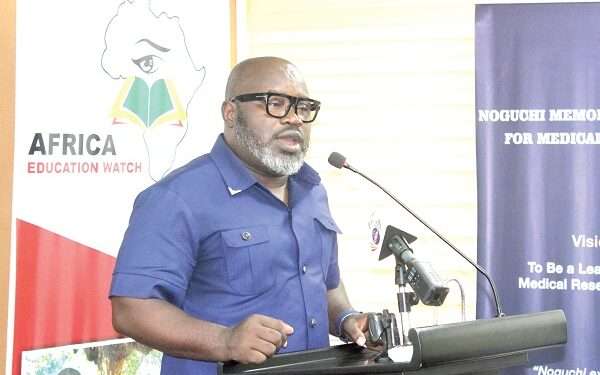
At a press conference, Kofi Asare called on the GES to release a comprehensive teacher posting plan that clearly outlines how the 7,000 newly recruited teachers will be distributed nationwide.
According to him, the absence of publicly available data on district level allocations limits the ability of stakeholders to assess whether the deployment process is equitable and aligned with national education priorities.
“In line with the President’s directive on decentralised teacher postings, we call for transparency in recruitment and deployment. GES must publish quotas for all teacher-deprived districts receiving these teachers.”
Kofi Asare, Executive Director of Africa Education Watch
Strengthening Oversight Through Data Disclosure
Mr Asare emphasized that publishing district level quotas would enable civil society organisations and the media to monitor the efficiency of teacher distribution. Such transparency, he argued, would create a feedback mechanism that supports better policy implementation.

By making the data accessible, stakeholders would be able to track whether underserved areas are receiving the attention they require and identify any imbalances in allocation.
“This will form the basis of monitoring at the district level,” he explained, noting that it would also allow for constructive engagement with the Ministry of Education on improving outcomes.
The proposed measure is seen as a practical step toward ensuring that recruitment efforts translate into meaningful improvements in access to education, particularly in rural communities.
Plans to Use RTI Law for Data Access
As part of its advocacy, Eduwatch has announced plans to formally request the data through the Right to Information framework. The organisation intends to submit a request to the GES to obtain detailed information on teacher distribution across districts.
Mr Asare revealed that the data would be shared with partner organisations operating in rural Ghana to support independent monitoring efforts. “We are going to monitor every teacher deployed up to the school level. This will allow us to report on their status and ensure accountability,” he said.
The use of the RTI law reflects a broader push for openness in public sector operations, particularly in areas where resource allocation has significant social impact.
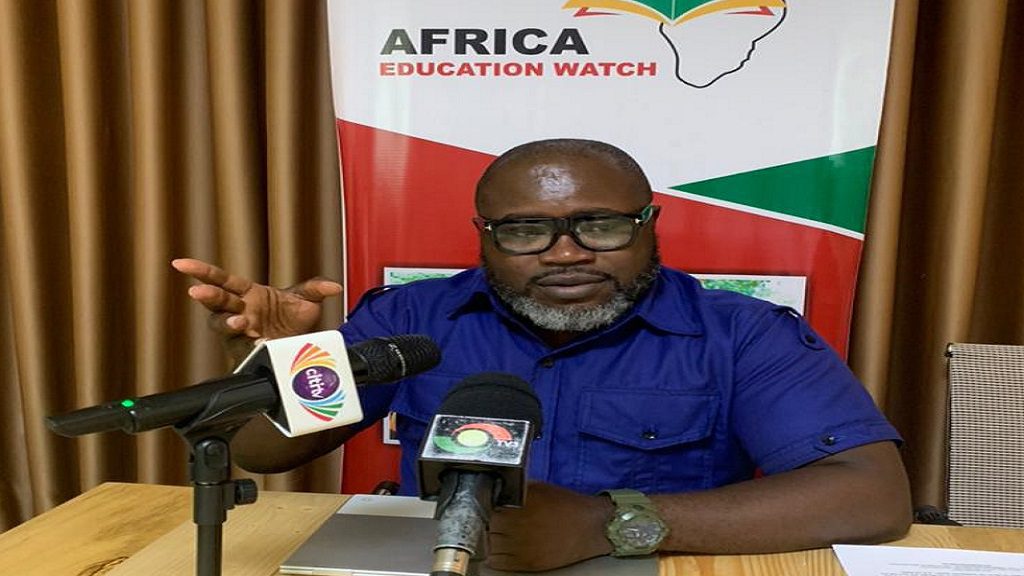
Beyond transparency, Mr Asare raised concerns about the effective utilisation of public resources. He warned that teachers who fail to report to their assigned posts undermine the objectives of the recruitment exercise and result in financial losses for the state.
“Teachers who fail to honour their postings must be removed from the payroll. Ghana is not getting value for money when this happens.”
Kofi Asare, Executive Director of Africa Education Watch
The call for stricter enforcement highlights the need to ensure that recruitment translates into actual service delivery in classrooms, especially in underserved areas where teacher shortages remain a persistent challenge.
Addressing Surplus and Shortage Imbalances
Mr Asare also pointed to the issue of uneven teacher distribution, noting that while some districts face shortages, others have surplus staff. He estimated that about 15,000 teachers in kindergarten and primary schools are currently surplus to requirements.
To address this imbalance, he called on the Minister of Education to engage the Ministry of Finance to secure supplementary funding for the redeployment of excess teachers to areas of need.
“We need immediate transfers of surplus teachers to where they are needed most,” he said, emphasizing that effective redistribution is critical to improving educational outcomes. The proposal aligns with broader efforts to optimize the use of existing human resources within the education system.

The call for quota publication is rooted in the government’s broader policy of decentralised teacher postings, which seeks to give districts greater control over staffing decisions. While the policy aims to improve responsiveness to local needs, its success depends on transparency and effective coordination.
Mr Asare argued that without clear data on allocations, it is difficult to measure whether the decentralisation approach is achieving its intended objectives. He stressed that transparency is essential not only for accountability but also for building public confidence in the system.
Implications for Rural Education
The outcome of the current recruitment and deployment process is expected to have significant implications for education in rural Ghana. Ensuring that deprived districts receive adequate staffing is critical to addressing disparities in access to quality education.
By advocating for clearer allocation data and stronger monitoring, Eduwatch aims to ensure that the benefits of the recruitment exercise reach the communities that need them most.
The organisation’s planned monitoring activities are expected to provide valuable insights into the effectiveness of the deployment process and inform future policy decisions.
A Call for Action and Accountability
As the recruitment exercise progresses, the pressure is mounting on the Ghana Education Service to demonstrate transparency and accountability in its operations. The call to publish quotas represents a broader demand for openness in how public resources are allocated.

Mr Asare’s intervention highlights the importance of aligning policy intentions with practical implementation, ensuring that recruitment efforts lead to tangible improvements in the education system.
With stakeholders preparing to monitor the process closely, the coming months will be critical in determining whether the deployment of teachers meets expectations.
For many observers, the message is clear. Transparency, accountability, and effective resource management will be key to achieving equitable education outcomes across Ghana.
READ ALSO: Italy Suspends Defence Agreement With Israel